
Last updated November 18, 2026
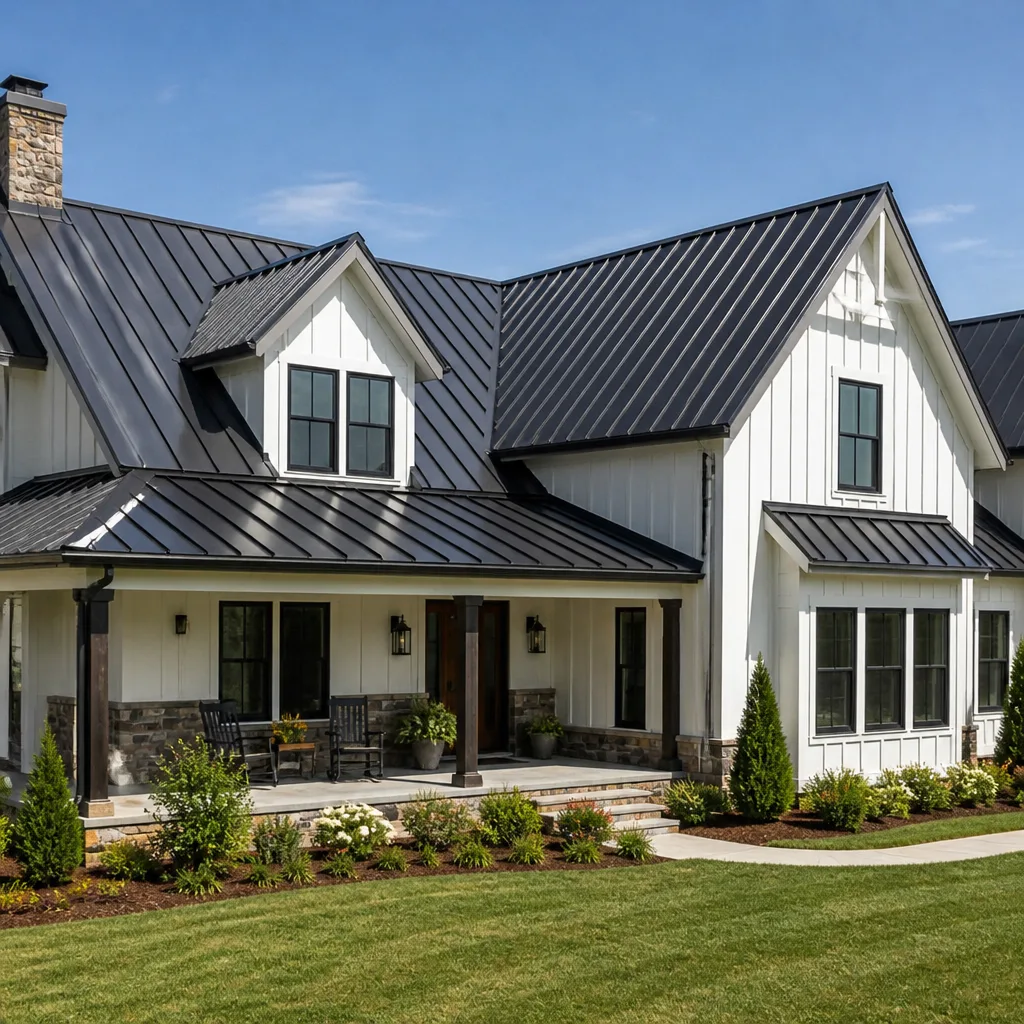 Metal roofing
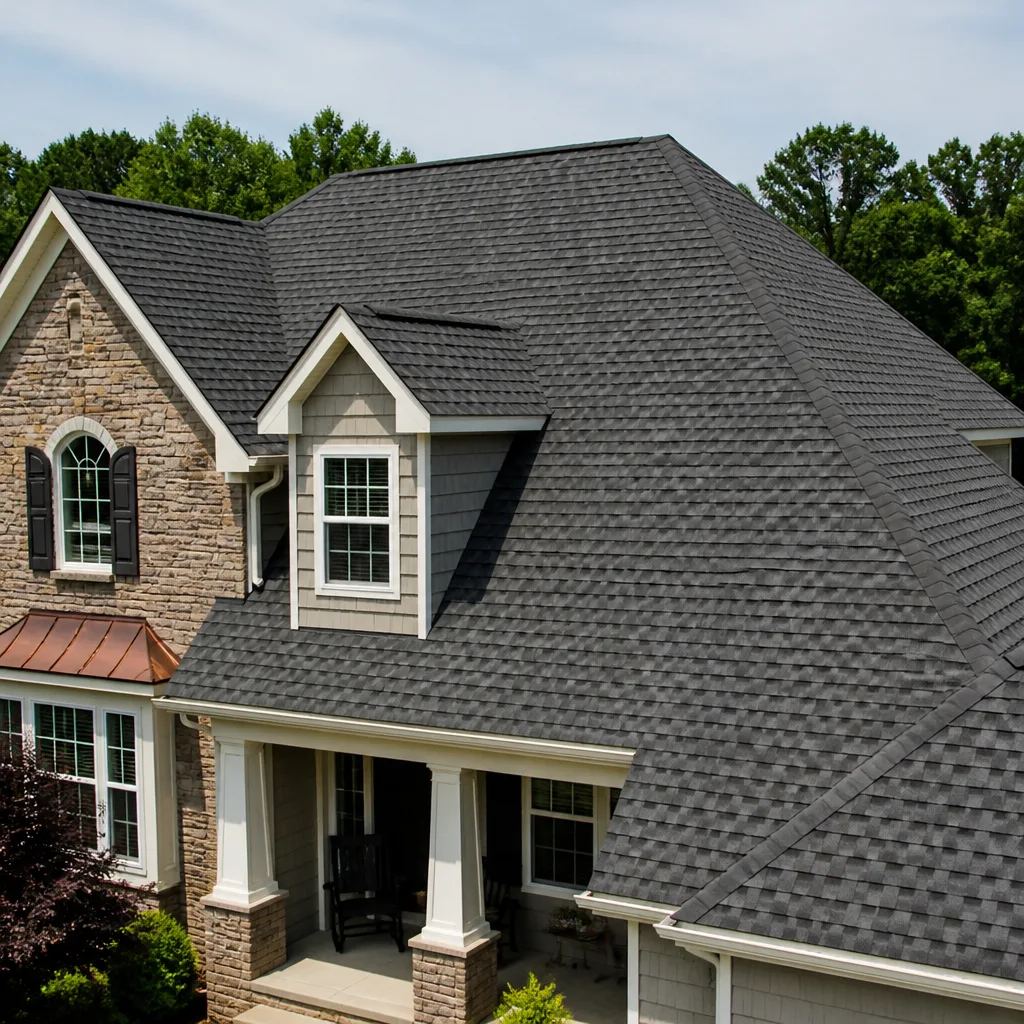 Architectural shingles
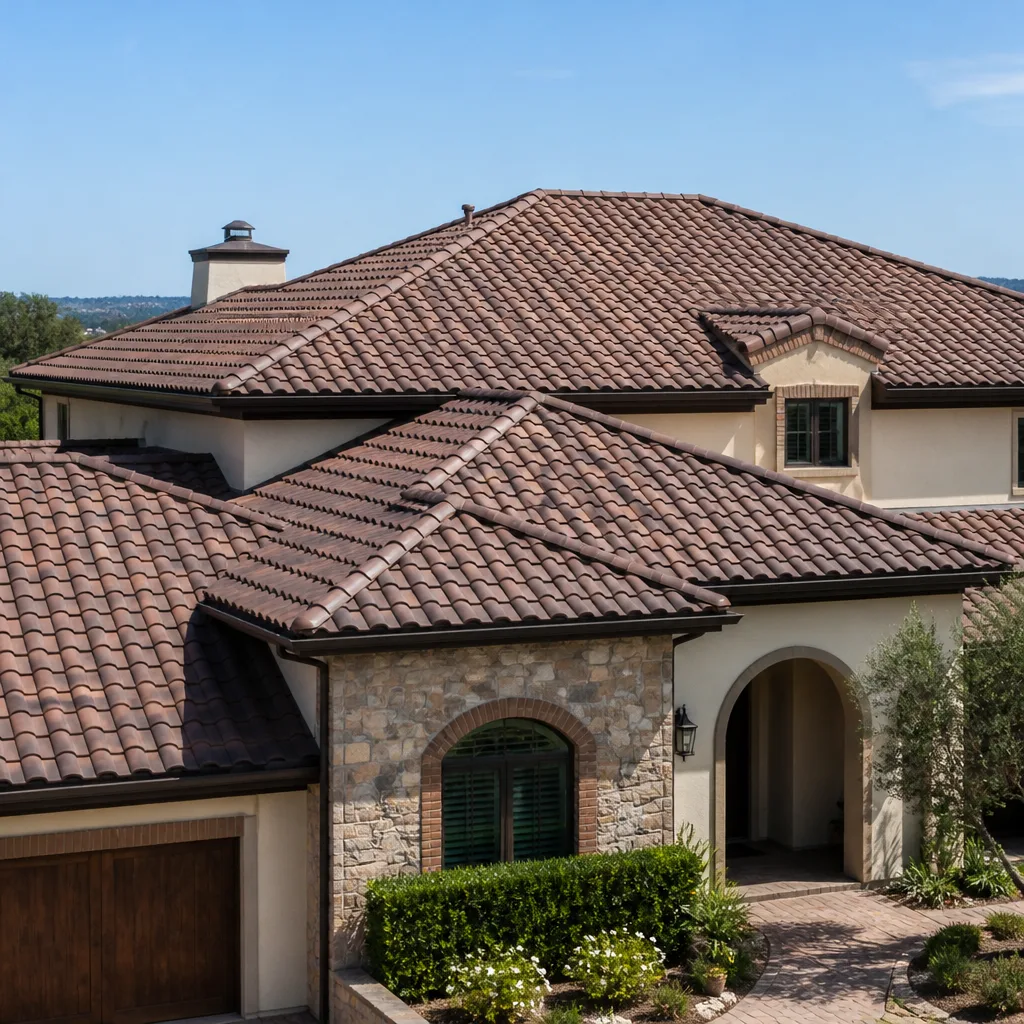 Tile roofing
 GAF
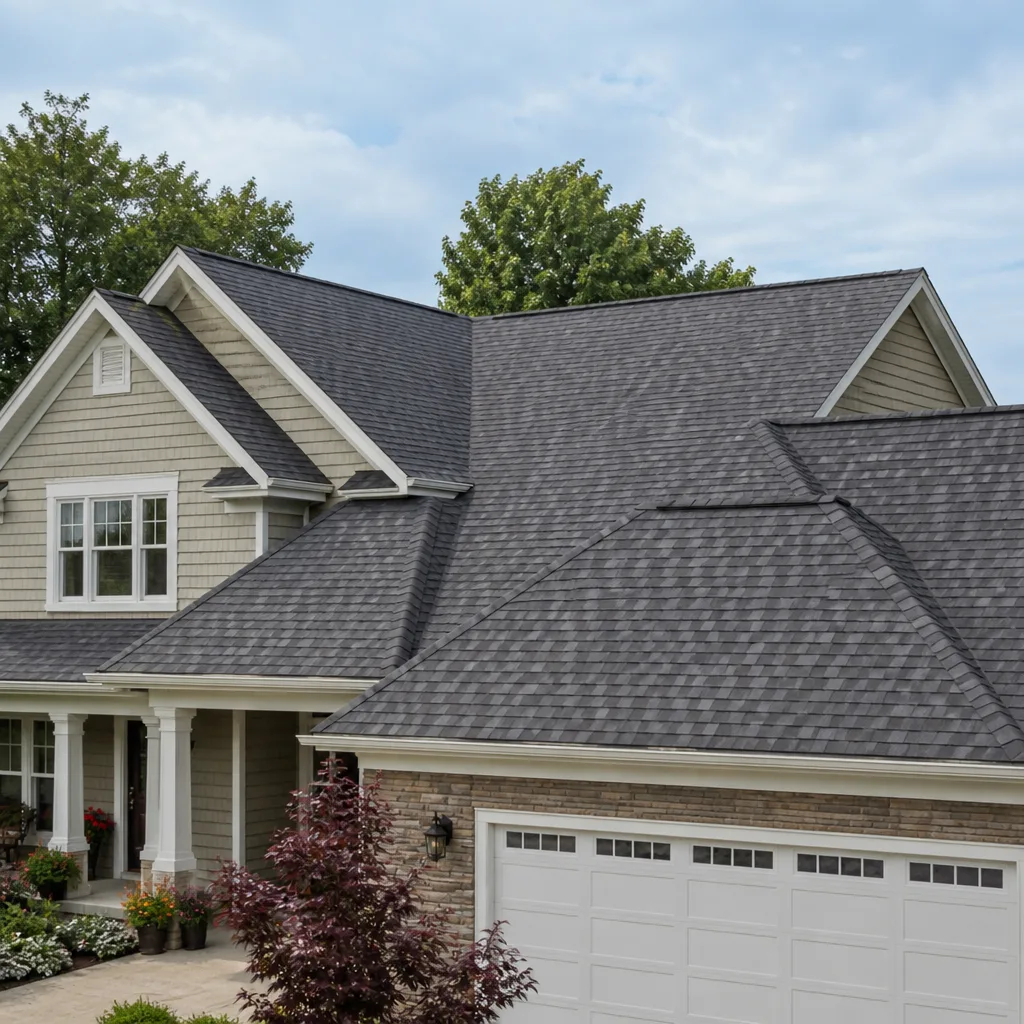 Owens Corning
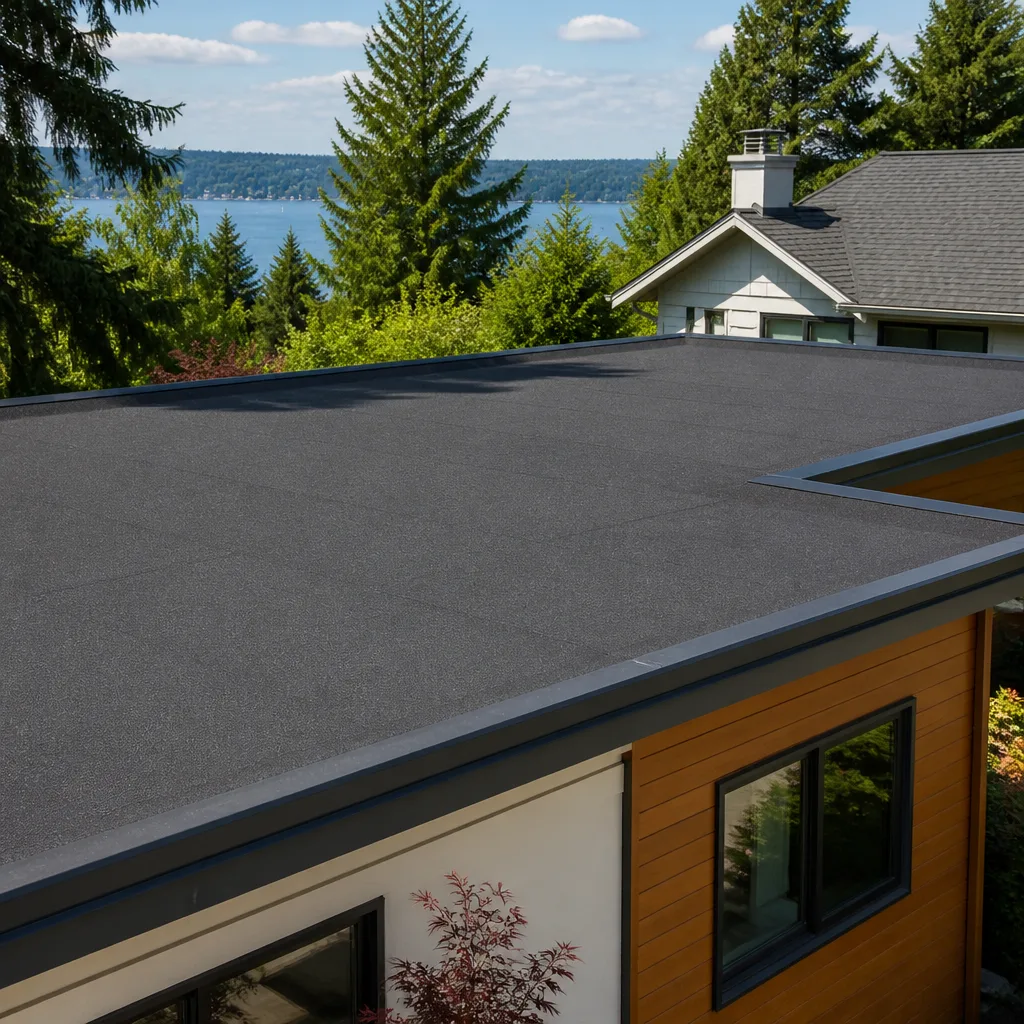 Flat & low-slope
Free roof inspection with deck photos before we talk money - GAF and Owens Corning certified installation
DIY vs Professional Roofing: The Summerlin Homeowner’s Decision Guide
Installing your own roof in Nevada without pulling a permit doesn’t just risk a fine. It can leave your homeowner’s insurance coverage on shaky ground for any roofing-related claim that follows, and almost no DIY roofing guide bothers to mention it. That single detail changes the whole calculation. This guide walks through what Nevada law actually allows a homeowner to do on their own residence, why Summerlin’s summer heat makes DIY installation a scheduling problem you can’t engineer around, and what manufacturer warranties require before they’ll stand behind a shingle. By the end you’ll know which roofing tasks are genuinely homeowner-appropriate, which ones rarely are, and how to build an honest cost comparison that counts permits, waste and correction work instead of just materials versus labor.
Quick Answer
DIY roofing in Summerlin usually makes sense only for cleaning, minor caulking and visual inspection. Anything involving the roof surface itself – tear-off, underlayment, flashing, decking or new shingles – becomes a legal, warranty and safety problem once you factor in Nevada’s licensing rules, the heat environment and the documentation manufacturers require. A licensed professional handles those layers and keeps your coverage and warranty intact.
Styles & brands we work with
- Architectural shingles
- Metal roofing
- Tile roofing
- GAF
- Owens Corning
- Flat & low-slope
Table of Contents
- What Nevada’s licensing rules actually allow you to do yourself
- Why Summerlin’s heat makes DIY installation timing nearly impossible
- What DIY installation does to your manufacturer warranty
- The insurance angle most guides skip
- What homeowner-appropriate roofing tasks actually look like
- An honest cost comparison that goes beyond materials vs. labor
- How to choose a roofer in Summerlin
What Nevada’s licensing rules actually allow you to do yourself
Nevada generally allows a homeowner to perform work on their own primary residence without holding a contractor’s license, but that exemption is narrower than people assume. The line isn’t “am I allowed to swing a hammer” – it’s about who can legally perform the work, who can pull the permit, and what happens when the work is sold, transferred or insured. Roofing falls under the state’s C-15 classification, and a C-15 license is what a contractor needs to perform that scope for hire. Doing your own roof is a different question from doing it correctly, safely, and in a way that holds up legally.
Permits are the practical hinge. Most municipalities require a permit for a full reroof or a structural alteration, and permit rules vary by jurisdiction, so the reliable move is to call your city’s building department and ask. A homeowner can often pull an owner-builder permit on their own residence – but that permit comes with inspection requirements and, in many cases, disclosure obligations if you sell. An unpermitted roof can surface during a buyer’s inspection and turn into a negotiation problem years later.
What the licensing line means for you
- Your own residence: Nevada’s owner-builder exemption generally covers work you physically do yourself on a home you occupy, without selling the service to anyone.
- Work performed for pay: Any roofing work done for compensation – including paying a helper or “a guy you know” – moves into licensed-contractor territory.
- Permits: Always confirm with your city’s building department. The owner-builder permit is not automatic and not available in every situation.
- Disclosure on sale: Owner-built work often must be disclosed to a buyer, and it can complicate the transaction if documentation is thin.
If you’re weighing a bigger project on a Summerlin home, the safer framing is: figure out what you’re legally allowed to do, what your insurer will accept, and what the warranty requires. When those three answers don’t line up, that’s a sign to bring in licensed help. You can read more about how our roof repair team approaches the diagnosis stage on homes with mixed-ownership or uncertain work histories.
Why Summerlin’s heat makes DIY installation timing nearly impossible
Summerlin sits in a high desert valley, and summer afternoons on a roof are genuinely dangerous in a way that a homeowner working through a weekend doesn’t usually account for. Roof surface temperatures run far hotter than the air temperature, and heat rises. It’s not a matter of toughness. It’s a matter of how the body responds to sustained heat load and how asphalt products behave when they’re too warm to be installed correctly.
Material handling is the first snag. Asphalt shingles have to be stored flat, out of the sun, and let down gently – they can crease or tear if they get soft, and a bundle dropped flat on a hot roof can scuff and lose granules before it’s ever nailed down. Pros plan delivery and staging around the morning window, not the middle of the day. A homeowner trying to fit the work around their week runs out of those windows fast.
The cure window problem
Adhesive strips on self-sealing shingles and the bonding of underlayment are both temperature-sensitive. Too cool and the seal won’t activate properly. Too hot and the material gets tacky and difficult to work cleanly, and sealant can smear where you don’t want it. Manufacturer installation instructions specify a temperature range, and the install still has to be planned so the work is done inside that range. In a Summerlin July, that leaves a short morning margin – and if you fall behind, the fail point isn’t cosmetic.
The safety problem
Roofing work on a sloped, sun-exposed surface is fundamentally a fall-risk activity. A tired, overheated homeowner on a ladder or a steep slope is exactly the situation where preventable accidents happen. A trained crew rotates on and off the roof, hydrates deliberately, and has a plan for when the heat tops out. We’ve watched how crews pace themselves across a Summerlin summer, and it’s the pacing as much as the skill that keeps a job safe.
If you only remember one thing about DIY roofing timing: the work doesn’t have to be finished in a day, but it can’t be left half-done when weather or heat moves in. Exposed underlayment and an incomplete shingle course are how small jobs turn into water damage. That’s one reason our roof replacement team schedules a full day per roof and has a weather plan before the first bundle goes up.
What DIY installation does to your manufacturer warranty
Most shingle manufacturers condition their material warranties on proper installation – and in practical terms, that means documented installation by a qualified, licensed installer, plus compliance with published instructions and ventilation requirements. If a homeowner installs the shingles themselves, the material warranty often doesn’t survive in the same form. Sometimes the coverage narrows. Sometimes it drops to a prorated or limited form. Either way, you’ve traded a multi-decade protection for the convenience of doing it yourself.
The warranty documentation often wants specifics: proof the installer is licensed, that the underlayment and ventilation meet spec, and that the installation followed the manufacturer’s published instructions. A DIY install can hit every functional mark and still fail the paperwork test. When a claim comes up years later, the question isn’t “did the roof work?” It’s “can you show the installation was performed to standard?”
Why brand choice matters more than people expect
Warranty terms and conditions vary from one manufacturer to the next. That’s a big part of why we install across seven brands – IKO, Atlas, Tamko and Boral among them, along with GAF, CertainTeed and Owens Corning. When material choice isn’t pinned to a single product line, you can compare coverage tiers and ventilation requirements and pick the roof system that actually fits your situation. A DIY buyer usually ends up with one brand from one big-box shelf, and no way to compare the warranty fine print before purchase.
If you want to understand what the material side of the warranty looks like in practice, our Roofing Summerlin page lays out how brand selection, material specification and installer documentation fit together on a full replacement.
The insurance angle most guides skip
Homeowner’s insurance policies generally require that work on the dwelling be done to code and by qualified professionals, and a DIY roof installation can put an insurer in a position to dispute or deny a roofing-related claim. The specific policy language varies, and we’re not insurance professionals – the right move is to call your insurer and ask how they treat owner-installed roofing before you commit. That call takes ten minutes and can save a very expensive argument later.
The reason this matters in Summerlin is scale. A home in The Ridges or Red Rock Country Club isn’t usually a modest structure, and a roofing-related water claim on that kind of property can run into serious money. An insurer that discovers the roof was self-installed without a permit may treat the resulting damage differently than it would a permitted, documented installation. That risk sits with the homeowner, not the shingles.
What insurers typically want to see
- Permit documentation from the local building department for any reroof or structural work.
- Evidence the work was performed by a licensed contractor, or an owner-builder permit with inspection sign-off.
- Material specifications and warranty documentation.
- Ventilation compliance, since improper ventilation can be cited in moisture and heat-related claims.
None of those requirements are hard to meet when the work is done through a licensed contractor who pulls the permit and leaves the paperwork with you. They’re difficult to reconstruct after the fact. If you’re not sure whether prior work on your Summerlin home was permitted, a standalone inspection will tell you what’s there and what documentation you can reasonably expect to produce.
What homeowner-appropriate roofing tasks actually look like
This is where the DIY conversation gets more useful, because there’s a real list of tasks a homeowner can do safely and a shorter list of tasks that shouldn’t tip into professional territory. Cleaning, minor caulking and visual inspection are genuinely homeowner-appropriate. Everything else becomes a judgment call that depends on slope, height and what’s actually under the shingles.
Homeowner-appropriate tasks
- Yearly visual inspection from the ground. Binoculars, a walk around the perimeter, and a look at the ceiling inside for staining. Note anything that’s changed since last year.
- Gutter and valley debris clearing. Only from a ladder on flat, stable ground, and never on a hot afternoon. Debris in valleys and behind chimney flashing backs water up under shingles.
- Minor caulking around a pipe boot or a vent flange. If the sealant has cracked and the metal is intact, a compatible exterior roof sealant is a reasonable homeowner fix. Don’t caulk over a failing flashing – replace it.
- Interior observations. Water stains, sagging ceiling drywall, or daylight visible in the attic are all worth noting and reporting to a professional.
Where DIY tips into professional territory
A cracked pipe boot is a homeowner fix. A corroded or lifted metal flashing on a chimney is not, because the fix means lifting shingles and reinstalling them correctly, and a bad repair there leaks for years before you notice. Similarly, a single missing shingle on a low-slope section might be a reasonable repair. A granule-bald slope, a soft deck, or anything that requires walking the roof surface is a job for someone with fall protection, insurance and a documented install process. The distinction is slope, height and whether you can see what’s underneath – and under Summerlin’s intense sun, a homeowner walking a roof surface to “check” it is already past the safe line.
An honest cost comparison that goes beyond materials vs. labor
Any cost comparison that stops at “materials here, labor there” is leaving out the costs that decide the question. The honest comparison has to count permits, waste, correction work and the risk of a claim. We frame every estimate this way because it’s the only version that helps a homeowner make a real decision.
The full cost picture
- Permit fees. Required for most full reroofs. Cost varies by jurisdiction, so ask your city’s building department for the actual number. A licensed contractor pulls it as part of the job.
- Material waste from inexperience. Damaged bundles, cut-off waste on hips and valleys, and extra shingles bought “just in case” add up when there’s no experience to plan layout efficiently. A trained crew cuts to plan.
- Correction work. Improperly installed underlayment, missed drip edge, or vent chutes installed wrong all cost more to fix than to install correctly the first time. Correcting a DIY roof often means tearing off what was just put down.
- Warranty loss. The material warranty that may not survive a DIY install is a real cost – it’s the value of the protection you’re giving up.
- Insurance risk. Unpermitted or non-compliant work can complicate a future claim. That risk doesn’t show on an invoice, but it’s part of the cost.
- Disclosure and resale. Owner-built work often must be disclosed when you sell, and buyers price that uncertainty in.
Set against that, the professional side includes the labor, the permit, the documentation, and the warranty. The price isn’t the only difference, and on a large Summerlin home the dollar gap often narrows once correction risk and warranty loss are counted honestly.
The heat-speed penalty
There’s one more cost that doesn’t fit a spreadsheet: a DIY install that gets rushed because of heat or weather is where most failures come from. The pressure to finish before the afternoon overheats is exactly the pressure that leads to skipped steps. A professional crew builds that pressure into the schedule rather than into the workmanship. If you want a clearer picture of what a proper install includes, our guide to Summerlin roofing covers the inspection, repair and replacement lifecycle in one place.
How to choose a roofer in Summerlin
If your conclusion is that a professional should handle the work, the next question is which one. The right vetting questions are unglamorous but they separate a real contractor from a sales operation. Ask them all, and don’t accept “we handle that” without paperwork.
- Are you licensed and insured? In Nevada, that means the C-15 classification for roofing work. Ask for the license details and confirm them with the state contractor board.
- Will you pull the permit? A contractor who suggests skipping the permit is telling you how the rest of the job will go.
- Which manufacturers do you install? A roofer who only offers one brand is answering a narrower question than you’re asking. Seven brands under one roof means the recommendation is based on your roof and your budget, not on what’s sitting in a warehouse.
- What does the warranty cover, and through whom? Manufacturer-backed material warranties and workmanship warranties are different things. Ask for both in writing.
- Will you inspect before recommending replacement? Inspection should be its own service, not a sales funnel. If the answer is “we’ll know once we’re up there,” ask why they can’t tell you before the contract.
- What’s the written scope? Line-item detail – tear-off, decking, underlayment, flashing, ventilation, disposal – is what protects you from change orders. Get it in writing and confirm the price is fixed.
The material brand matters here too, and it’s a fair question to ask why. A roof in Summerlin needs to handle intense UV and long dry stretches, and the shingle system, underlayment and ventilation all have to be specified for that. IKO and Atlas both publish installation requirements that matter in this climate, and Tamko and Boral offer options some homeowners prefer for specific roof profiles or aesthetics. A single-brand contractor can only recommend the brand they carry. You deserve the wider comparison.
What an inspection should actually include
A real inspection walks the roof surface where safe, checks attic ventilation and decking, looks at every penetration and flashing detail, and produces a written condition report. It should tell you what’s failed, what’s aging, and what can be saved. If the inspection report is really a replacement quote in disguise, that’s a red flag. Inspection as a standalone service means you get the condition assessment before you commit to any spend, and you can take it to another contractor for a second opinion if you want.
Common Mistakes to Avoid
- Skipping the permit to save time. In Summerlin and most of the valley, an unpermitted reroof can surface during a buyer’s inspection or an insurance claim, and both are expensive moments to discover it. Pull the permit, or hire someone who will.
- Installing shingles outside the manufacturer’s temperature range. Hot afternoons smear sealant and soften shingles before they’re fastened. Cool mornings keep the adhesive strips from sealing properly. The window is narrower than most DIY plans account for.
- Caulking over failing flashing. A bead of sealant hides a corroded flashing for one season and leaks the next. Replace the flashing detail rather than sealing around it.
- Buying “one brand from one shelf” without comparing warranties. Manufacturer warranty tiers differ. Choosing a product without comparing coverage is choosing blind.
- Leaving underlayment exposed overnight or through weather. A half-finished roof is vulnerable. Exposed underlayment, open valleys and missing ridge caps are where water intrusion starts.
- Ignoring attic ventilation. Improper ventilation in Summerlin’s heat is a common cause of premature shingle failure. It’s easy to forget when the focus is on the top surface.
- Assuming “it’s my house, I can do what I want.” You can often work on your own home, but the consequences – permit disclosure, insurance treatment, warranty terms – live outside that exemption. Check all three before you start.
See the difference
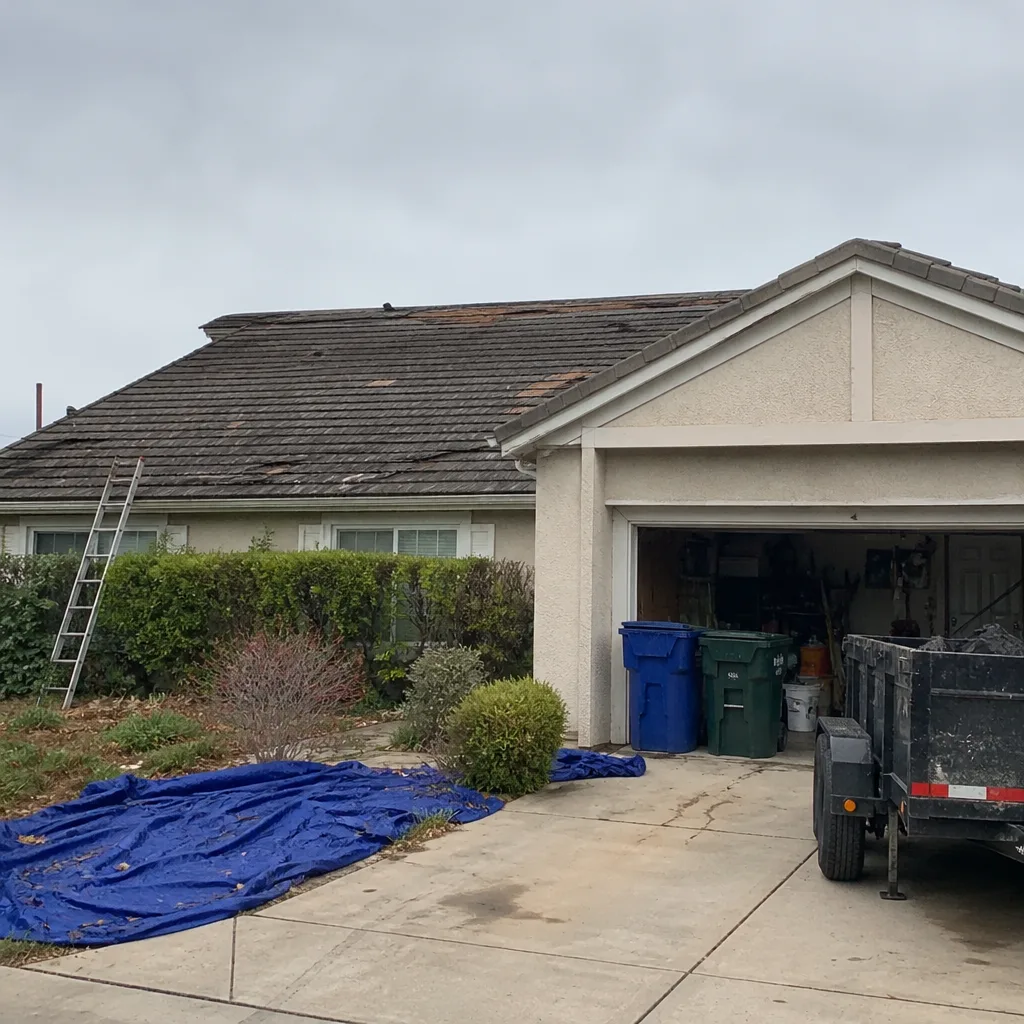 Before
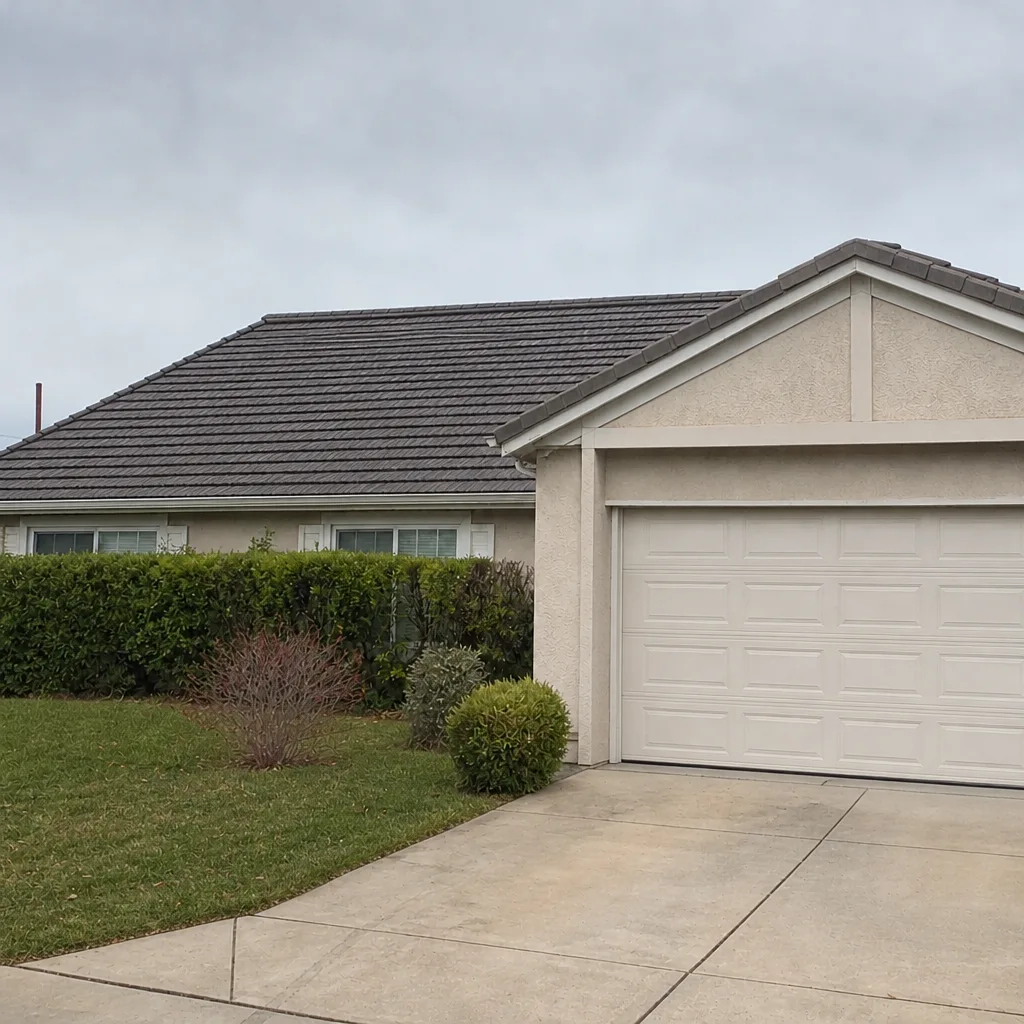 After
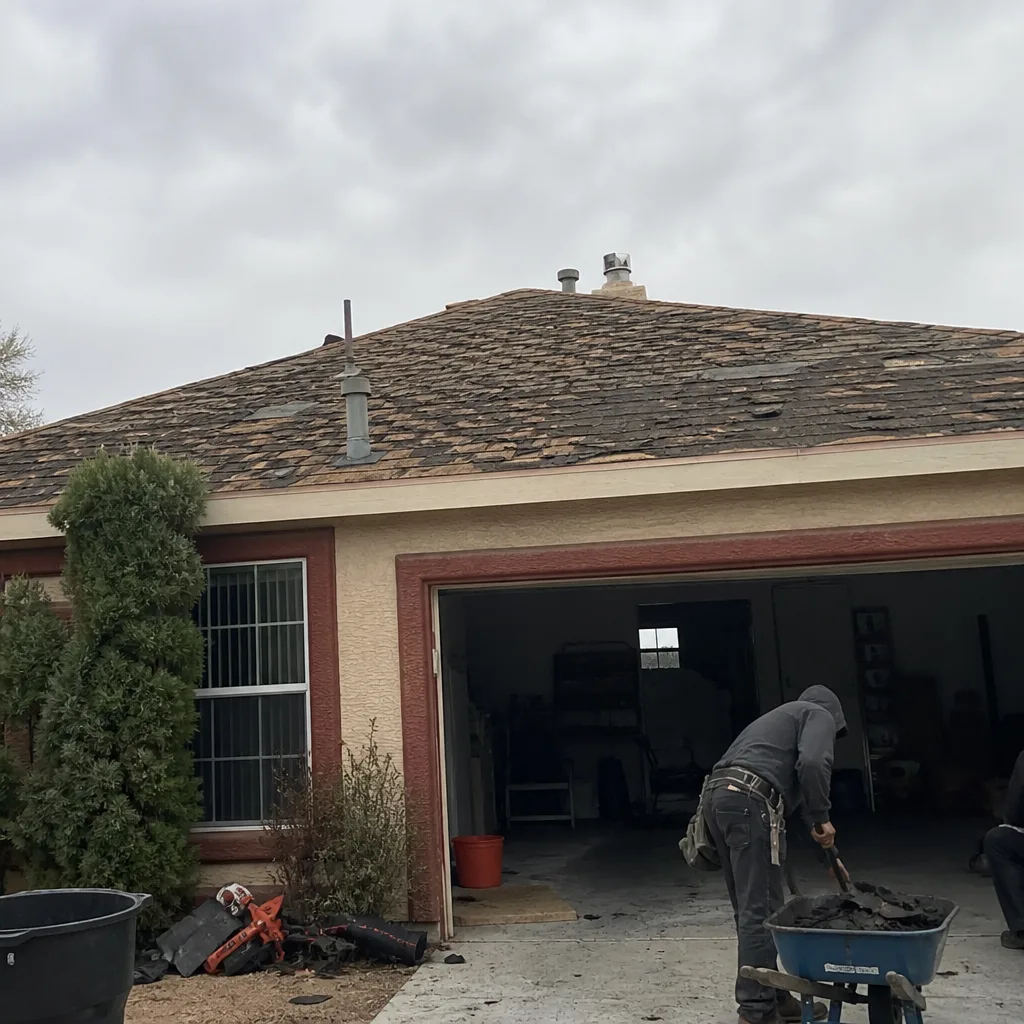 Before
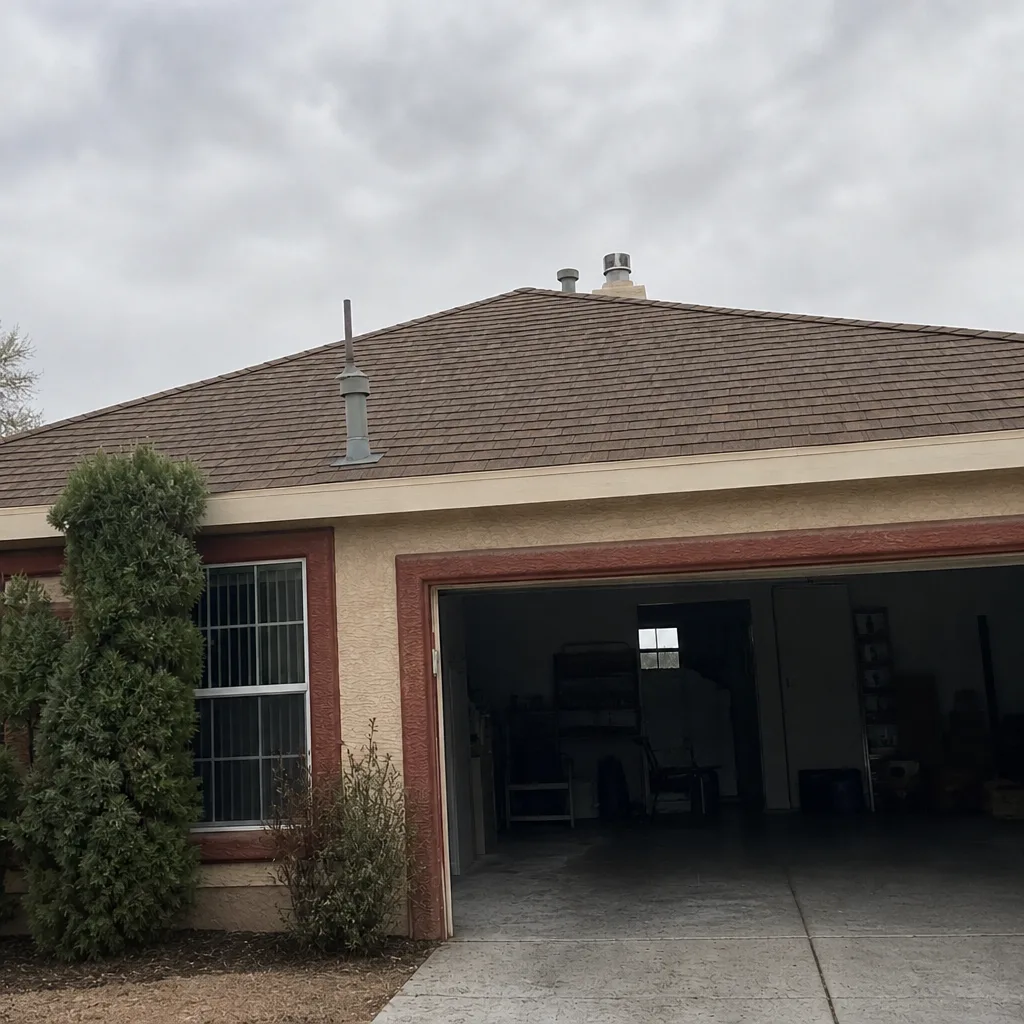 After
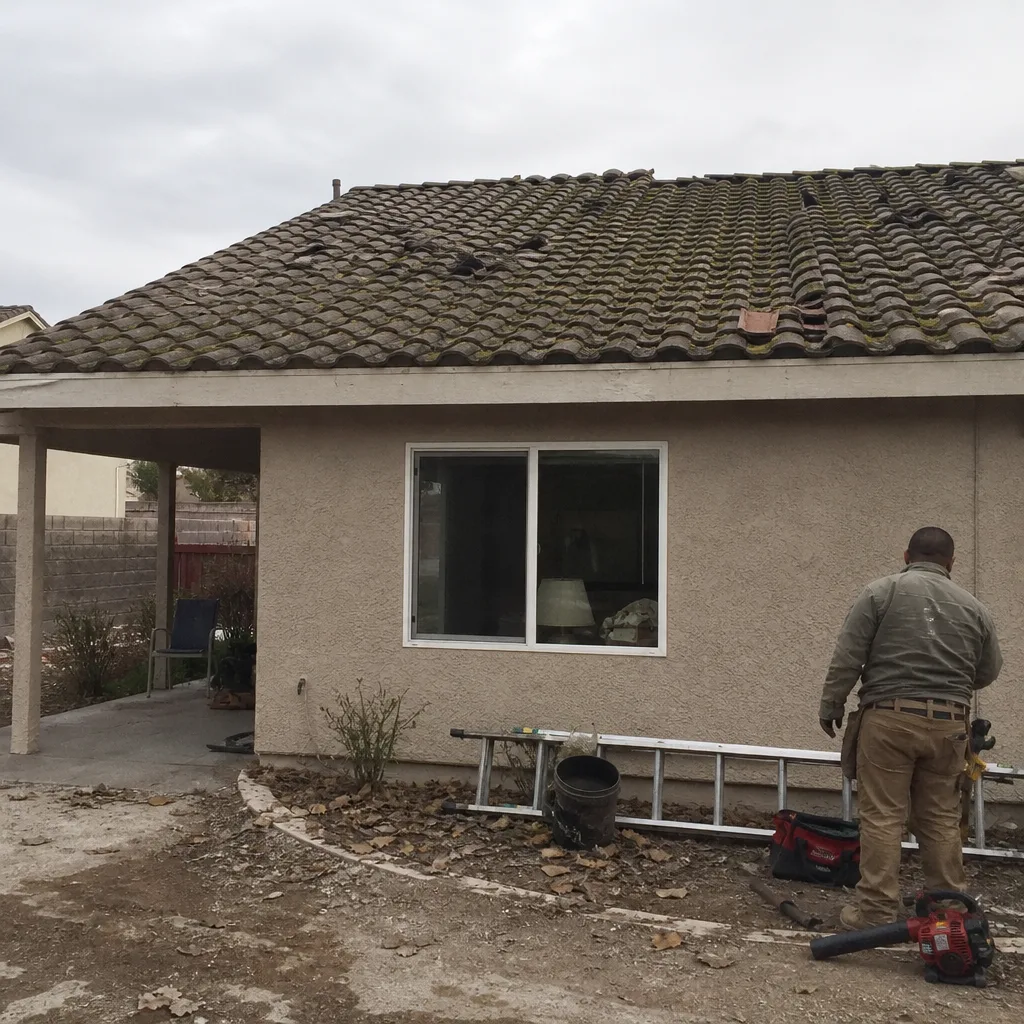 Before
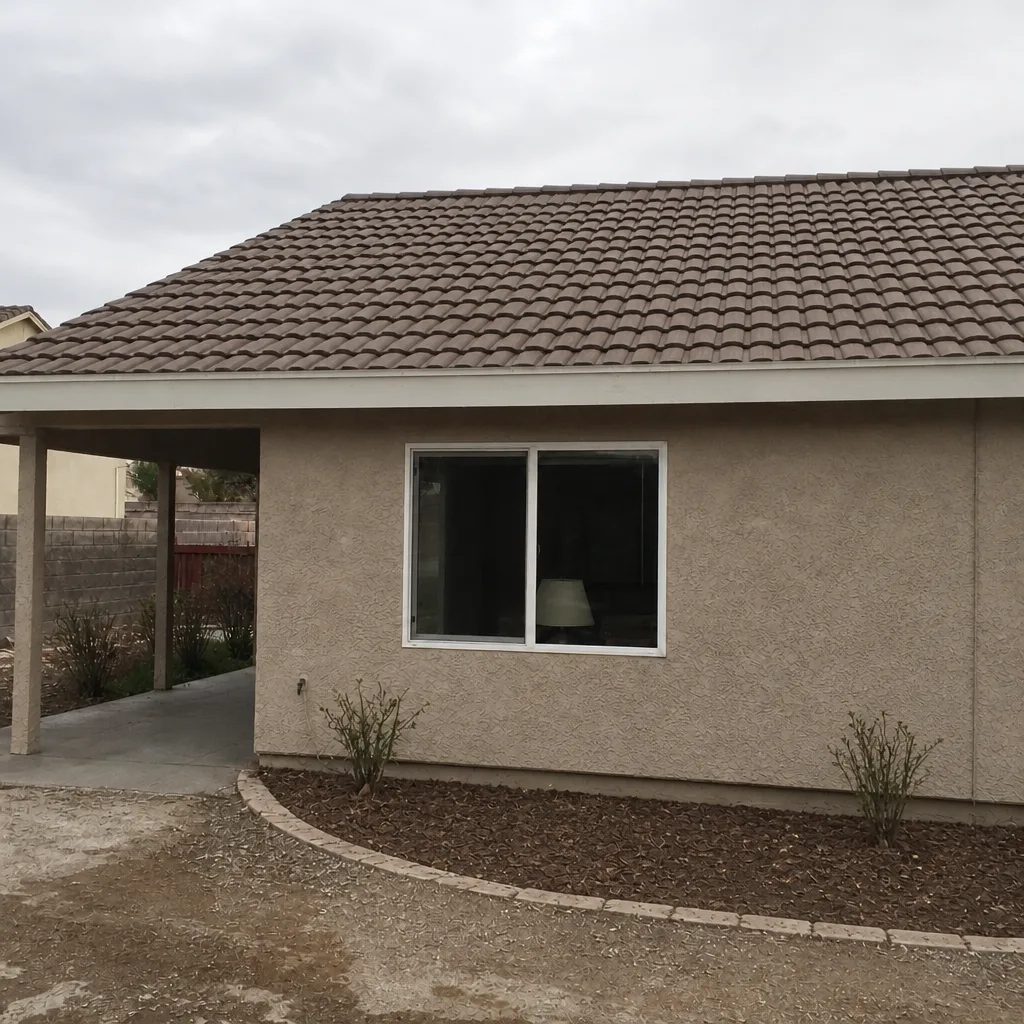 After
When to Call a Professional
Call a professional if you’re considering anything beyond cleaning, caulking and inspection. That includes any tear-off, any work on the roof surface, anything involving flashing, decking or underlayment, and anything that would require a permit. It also includes situations where you’re not sure what you’re looking at: a stain that’s new, a soft spot in the ceiling, or a valley that’s holding water. Those are diagnosis problems before they’re repair problems. If prior work on your home is undocumented, a standalone inspection tells you what’s actually there.
Roofing Summerlin offers free estimates in Summerlin – call (833) 932-1305. We answer 24/7. Fast dispatch from 7am to 7pm, Sunday through Friday. We inspect first. If repair is the right call, we’ll tell you. If it isn’t, we’ll show you why.
Frequently Asked Questions
Nevada generally allows a homeowner to perform work on their own primary residence without a contractor’s license, but the exemption is narrower than people assume and most full reroofs require a permit. Call your city’s building department to confirm the permit rules for your property before any work begins, and ask your insurer how they treat owner-installed roofing. Call (833) 932-1305 for a free estimate if you’d rather not carry that risk.
It often does, or narrows it significantly. Most shingle manufacturers condition their material warranties on proper installation by a qualified, licensed installer, and documentation requirements can include proof of licensing and compliance with published instructions and ventilation specs. A DIY install can function perfectly and still fail the paperwork test years later. Call (833) 932-1305 to talk through which warranties apply to your roof.
It’s not impossible, but it compresses the working window and raises the risk on both safety and material cure. Asphalt shingles and self-sealing adhesive strips are temperature-sensitive, and manufacturer instructions specify an installation range. Summerlin summer afternoons push roof surface temperatures well above the air temperature, which is why professional crews plan the work around the morning and rotate on and off the roof. Call (833) 932-1305 for a free estimate on a properly scheduled install.
You risk the permit being discovered later – during a buyer’s inspection, an insurance claim, or a municipal review – and the consequences can include fines, forced removal, or a disputed claim. Owner-built or unpermitted work often must be disclosed when you sell, and buyers price that uncertainty in. Call (833) 932-1305 to have your roof inspected and your permit question answered before anything is installed.
Cleaning debris from valleys and gutters, minor caulking around intact pipe boots and vent flanges, and visual inspection from the ground. Anything that requires walking the roof surface, lifting shingles, or replacing flashing is a professional job, especially on a sloped or tall roof in Summerlin’s heat. Call (833) 932-1305 if you’re not sure which side of that line a task falls on.
Pricing is per job and set by a written estimate, not a website range, because roof size, pitch, material choice and condition all change the number. A DIY comparison that only counts materials leaves out permit fees, material waste, correction work, warranty loss and insurance risk – and those usually narrow the dollar gap. Call (833) 932-1305 for a free written line-item quote on your Summerlin home.
The Bottom Line
DIY roofing in Summerlin isn’t really a skill question. It’s a permit, warranty, insurance and heat question, and all four tilt the same way once you look at them clearly. Cleaning, minor caulking and visual inspection are yours to handle. Tear-off, flashing, underlayment, shingles and decking belong to a licensed contractor who pulls the permit, documents the installation, and leaves you a warranty you can rely on. Factor in the cost of correcting DIY errors and the honest cost comparison gets a lot closer than the materials-versus-labor version suggests. A roof replacement is a 20-to-30-year decision, and it deserves a real conversation about materials.
If you’d like that conversation, call Roofing Summerlin at (833) 932-1305 for a free estimate. We answer 24/7. Fast dispatch from 7am to 7pm, Sunday through Friday. One team handles the inspection, the repair and the replacement, with seven leading brands to choose from – GAF, CertainTeed, Owens Corning, IKO, Atlas, Tamko and Boral. Real options, not a single-brand take-it-or-leave-it.
Written by the team at Roofing Summerlin.