
Last updated November 18, 2026
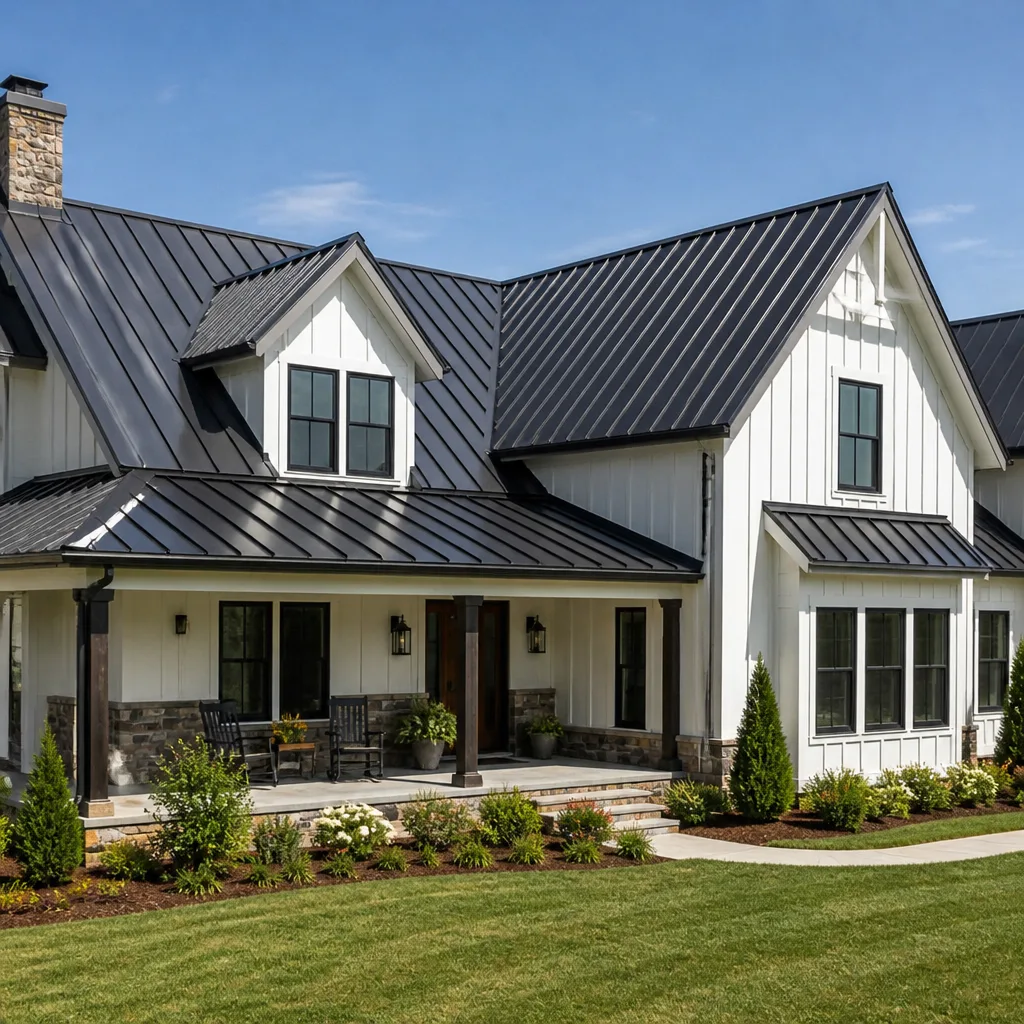 Metal roofing
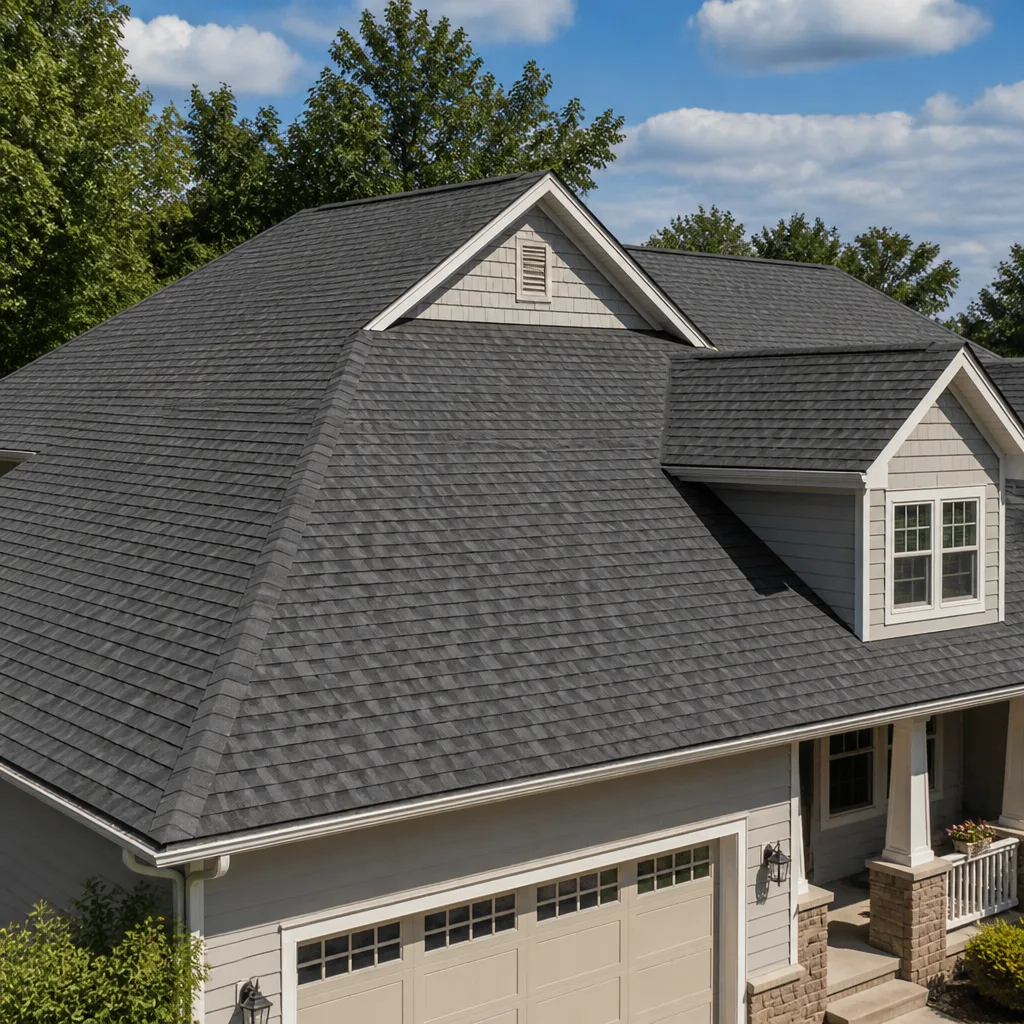
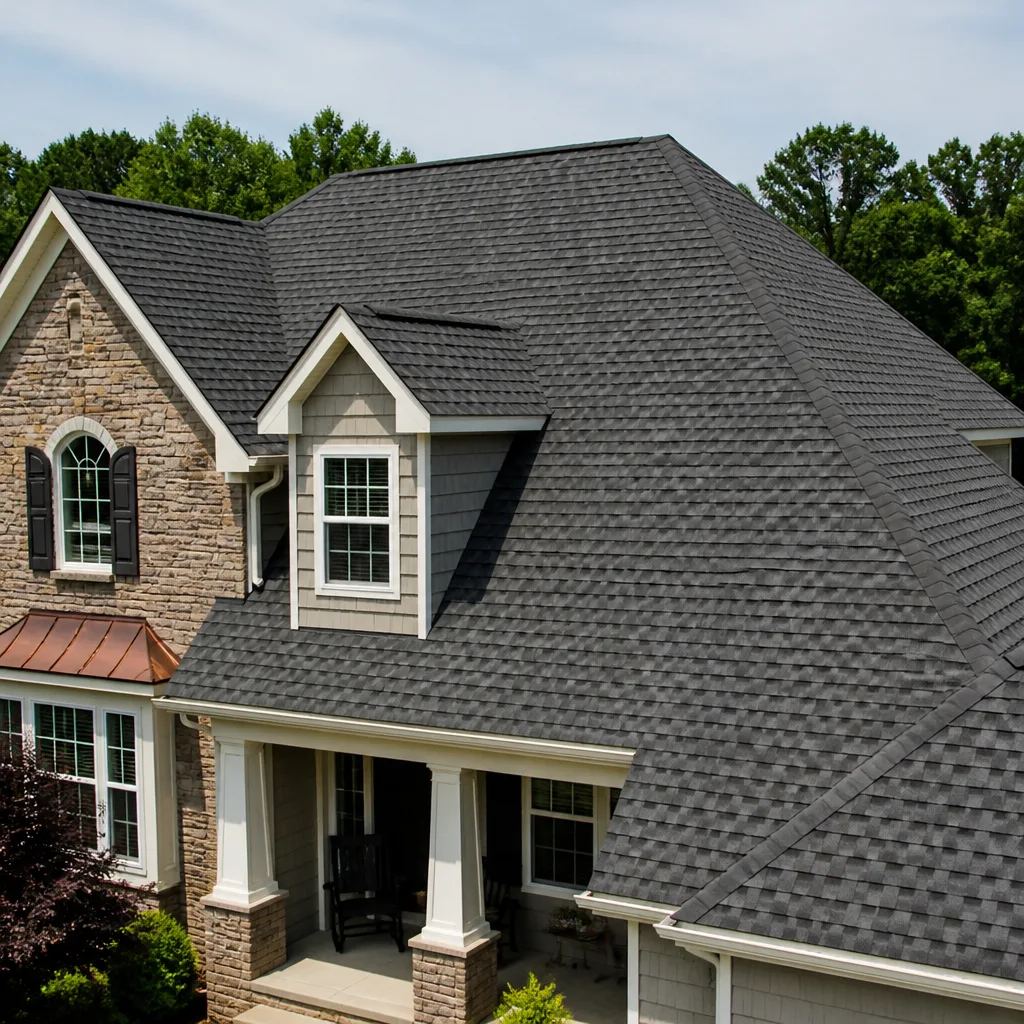 Architectural shingles
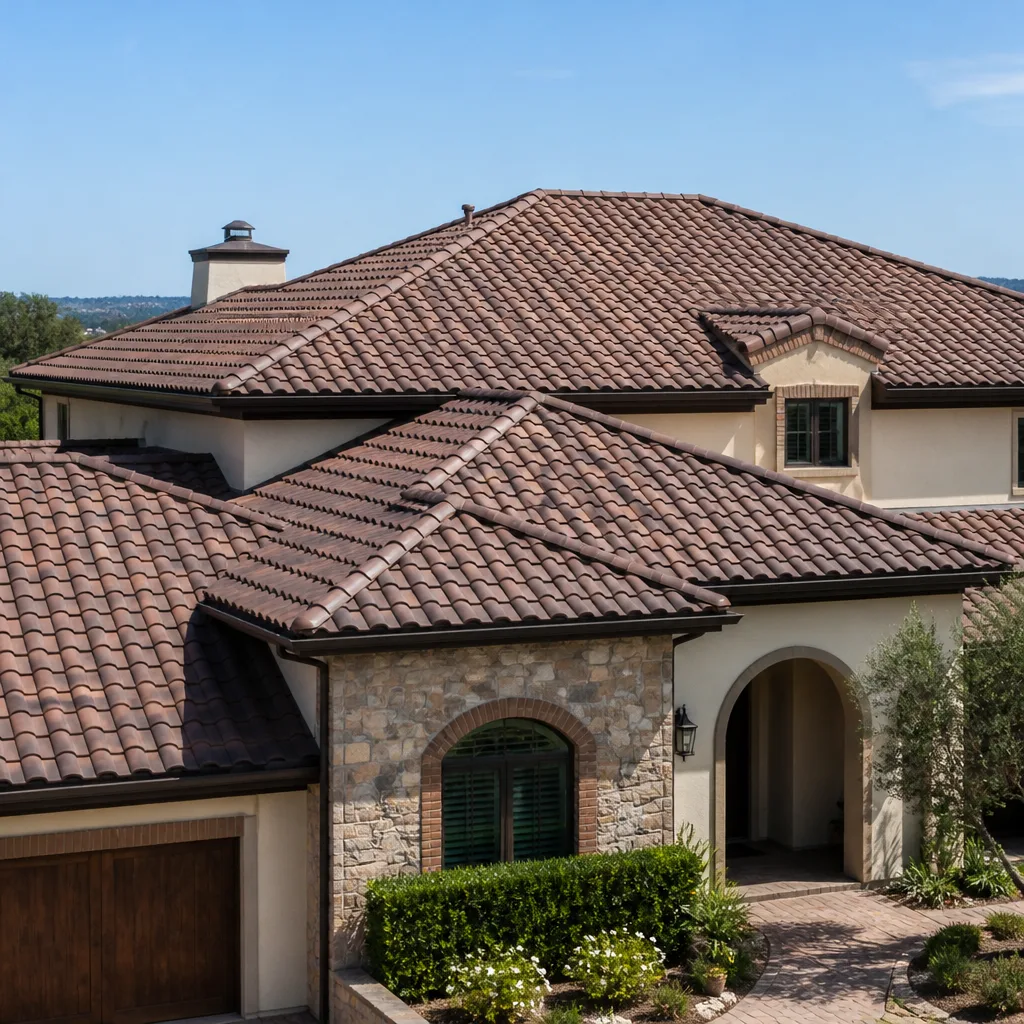 Tile roofing
 GAF
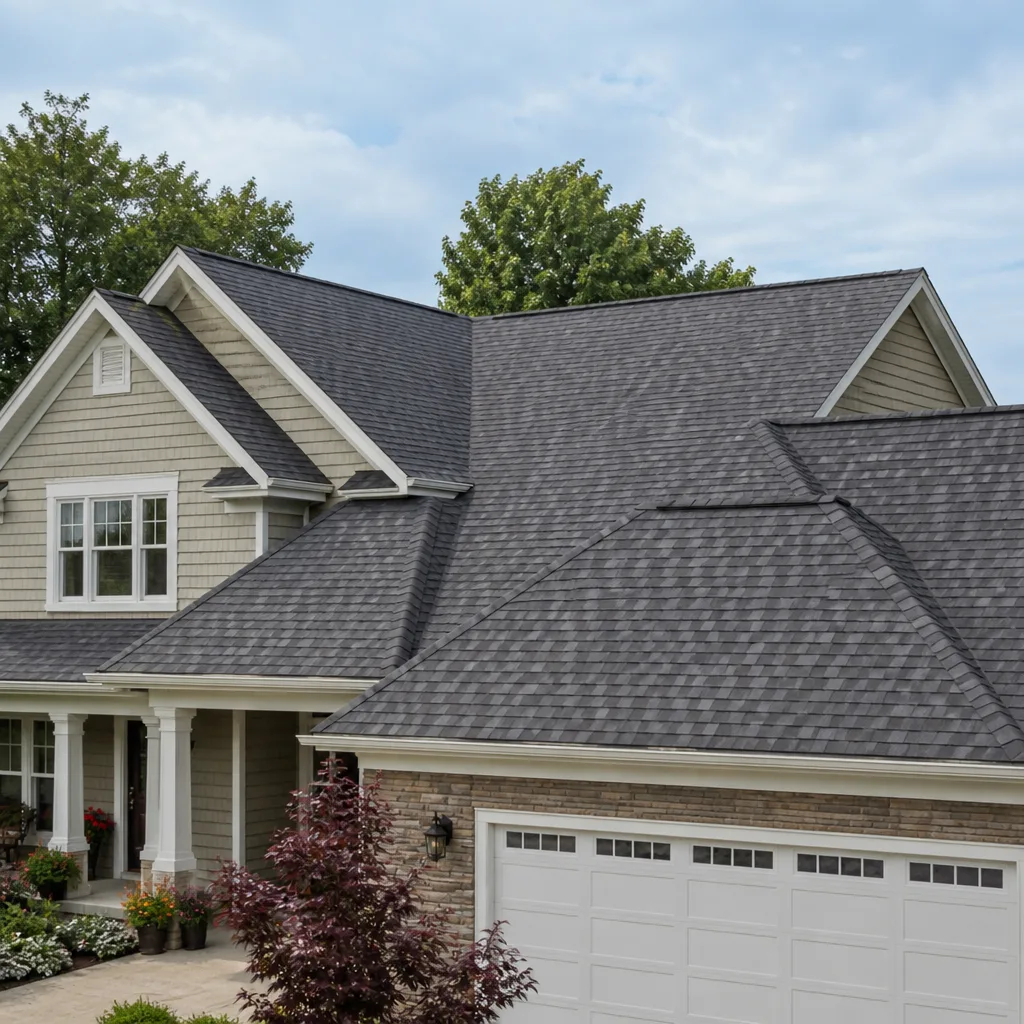 Owens Corning
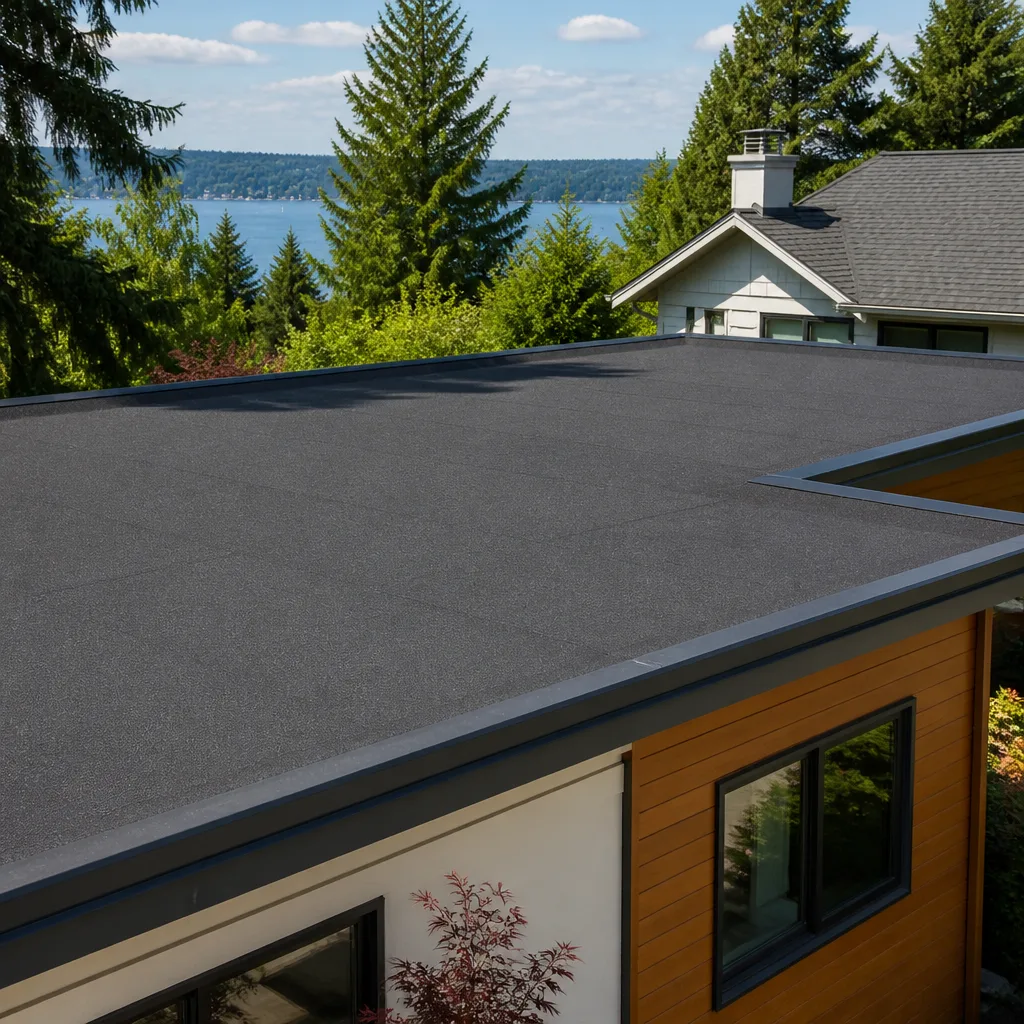 Flat & low-slope
Free roof inspection with deck photos before we talk money - GAF and Owens Corning certified installation
Choosing the Right Roofing Brand: A Buyer’s Guide for Summerlin
Most Summerlin homeowners pick a roofing category before they ever think about a brand. They decide on tile, shingle, or flat, then let the contractor choose the product. That’s backwards. Two architectural shingles can carry the same fire rating and the same “30-year” label and still behave very differently under Summerlin’s UV load, because the specs that matter in desert heat – solar reflectance, granule adhesion, high-temperature cracking resistance – aren’t printed on the front of the package. This guide shows you how to read the technical sheets, compare warranty terms across GAF, CertainTeed, and Owens Corning, and understand why local distributor availability affects what actually lands on your roof.
Quick Answer
The “best” roofing brand in Summerlin depends on your roof profile, not a single national ranking. In our experience, the right choice comes down to three things: a solar reflectance index (SRI) and granule adhesion spec that hold up to high-desert sun, a warranty written clearly enough that you understand what voids it, and a product your contractor can actually source and match later. A multi-brand contractor lets you compare those factors across GAF, CertainTeed, Owens Corning, IKO, Atlas, Tamko, and Boral instead of being pitched one line.
Styles & brands we work with
- Architectural shingles
- Metal roofing
- Tile roofing
- GAF
- Owens Corning
- Flat & low-slope
Table of Contents
- Why brand matters more than most Summerlin homeowners expect
- How to read a roofing product’s technical data sheet for desert heat
- Comparing manufacturer warranties across brands
- Why local distributor availability affects your roof
- HOA-approved material lists in Summerlin master-planned communities
- The practical case for a multi-brand contractor
- Matching brand to roofing category: tile, shingle, flat
- Questions to ask before you sign
Why Brand Matters More Than Most Summerlin Homeowners Expect
Summerlin sits at elevation on the western edge of the Las Vegas Valley, and that changes the physics of a roof. Intense direct sun, low humidity, and wide day-to-night temperature swings put a specific kind of stress on roofing materials. A shingle that performs fine in a mild coastal climate may show premature granule loss or surface cracking in Summerlin after a few summers. The brand and product line determine which of those failure modes you’re more likely to see.
That doesn’t mean the most expensive brand is automatically right. It means the product should be selected against your roof’s specific exposure – pitch, orientation, shade from neighboring structures, and whether the roof sits over a vented attic or a sealed assembly. The category choice (tile, shingle, flat) is the big fork. The brand choice is the second decision, and it’s where the real differences live.
Three points drive most of the buyer confusion:
- Same label, different chemistry. Two “30-year architectural shingles” can use different asphalt blends and granule coatings, both of which affect how the product ages in UV-heavy conditions.
- Warranty language varies. “Lifetime” doesn’t mean the same thing across brands, and the transferability rules at resale differ.
- Availability is not equal. A brand your contractor can’t source locally is a brand that becomes a headache when a future repair needs a color or profile match.
When we run an inspection on a Summerlin roof, the assessment separates three layers: what the material is doing, what the installation is doing, and what the underlying deck and ventilation are doing. Brand choice only solves the first layer. The rest is installation and roof assembly. That’s why a good contractor talks about the whole system, not just the shingle label. If you want a starting point on the service side, our Roofing Summerlin page lays out inspection, repair, and replacement. Our technicians have up to 8 years of experience working with a wide range of shingle systems and assemblies in this climate.
How to Read a Roofing Product’s Technical Data Sheet for Desert Heat
A roofing product’s technical data sheet is the one document that lets you compare brands on equal footing. It’s also the document most homeowners never see, because it isn’t in the sales brochure. Ask your contractor for it. The sheet lists measurable specs, and three of them matter most in Summerlin.
1. Solar Reflectance Index (SRI)
SRI is a measure of how well a roof surface reflects solar heat versus a standard black surface. Higher SRI means the roof surface stays cooler, which reduces heat gain into the attic and, in many homes, into the rooms directly below. In Summerlin’s climate, SRI affects both comfort and cooling load. Some products are rated for cool-roof programs; many are not. If your utility or municipality offers an incentive tied to cool-roof ratings, SRI becomes a hard filter, and the brand choice narrows fast. The data sheet will list the SRI at each tested color, because reflectance drops significantly on darker colors.
2. Granule Adhesion Test Results
Granules protect the asphalt from UV degradation. When granules shed early, the shingle loses its sun barrier and ages faster. The data sheet may reference the manufacturer’s adhesion test method and result. Brands that publish this are usually the ones confident in their coating process. Ask two contractors to show you the same spec on competing products and you’ll see the difference in how granular it gets.
3. High-Temperature Cracking Resistance
Asphalt-based products can crack under sustained high heat. Look for language about thermal cracking or heat resistance in the product data. Tile and concrete products get a different set of specs – freeze-thaw is less of a concern in Summerlin, but impact resistance and thermal movement are not.
For tile, flat, and modified systems, the equivalent spec sheet still matters, just with different numbers. The habit is the same: ask for the sheet, compare like for like, and don’t accept a verbal promise that a product “performs well in heat.”
Comparing Manufacturer Warranties Across GAF, CertainTeed, and Owens Corning
Manufacturer warranties are written by lawyers and read by almost no one. That’s a problem, because the fine print decides what you actually get if the roof fails. Three things to compare across brands:
- What “lifetime” means. On some lines, “lifetime” is defined against the original purchaser only and expires on transfer. On others, it’s a prorated schedule tied to the product. Read the definition section, not the headline.
- What voids coverage. Common triggers include installation by a non-certified contractor, improper ventilation, and use of non-matching accessories. Ventilation voids are especially relevant in Summerlin, where attic heat is high and intake-to-exhaust balance is often overlooked.
- Transferability at resale. Some brands allow a one-time transfer within a window after sale; some don’t transfer at all. If you plan to sell your Summerlin home, a transferable warranty is worth asking about up front.
Comparing tiers across competing brands is easier when one contractor installs more than one. We install GAF, CertainTeed, Owens Corning, IKO, Atlas, Tamko, and Boral, which means we can lay the warranty terms next to each other for the same roof. We don’t need you to accept whichever product happens to be on the shelf.
A warranty is not a maintenance plan. It doesn’t cover normal aging, storm damage that insurance should handle, or poor installation. Treat the warranty as one part of the protection package, alongside a workmanship warranty from the contractor.
Why Local Distributor Availability Affects Your Roof
A brand is only as useful as the supply chain behind it. In Summerlin, that means the product needs to be available from a regional distributor with a track record of stocking the line. Three practical reasons:
- Lead time. Special-order colors and profiles can stretch a roof replacement timeline. A product that’s locally stocked moves faster than one that ships from out of state.
- Future repair matching. If a few shingles are damaged by wind or impact a few years from now, the repair needs a color and profile match. A widely distributed line is far easier to match than a niche product. This is one of the arguments for choosing a brand with strong regional distribution even if the initial price is slightly higher.
- Honest proposals. A contractor proposing a specific product should be able to say where it’s coming from. If they can’t, the price they quoted may not be the price they can deliver.
When you’re comparing bids, ask each contractor where the proposed product is sourced and whether that distributor is stable in the Las Vegas Valley. It’s a fair question, and the answer tells you whether the proposal was built backward from a real supply chain or from a brochure.
HOA-Approved Material Lists in Summerlin Master-Planned Communities
Many Summerlin communities have architectural review requirements that specify approved roofing materials, colors, and sometimes profiles. That approval list can override a brand preference quickly. If your preferred product isn’t on the approved list, you have four practical options, in order of preference:
- Check whether the brand offers a compliant line. Most major manufacturers, including GAF, CertainTeed, Owens Corning, IKO, Atlas, Tamko, and Boral, offer multiple product lines across colors and profiles. The brand is usually on the list even when the exact product isn’t. Color and profile are the typical sticking points, not the logo.
- Request a variance. Some HOAs will approve a comparable product if you submit the data sheet showing equivalent or better performance against the approved line. Submit the SRI and adhesion specs, not a marketing brochure.
- Choose a compliant color in a compatible line. If the approved product is set and the color family is fixed, work within that constraint and ask the contractor to optimize the underlayment and ventilation.
- Get approval in writing before ordering material. A verbal “you’re fine” from a board member is not approval. Get the signed architectural review response in hand before a single bundle is delivered.
In our experience, the HOA process goes faster when the contractor has worked with multiple brands and can propose a compliant alternative rather than pushing the same product to every community. This is where seven manufacturers under one roof is a genuine practical advantage, not a marketing line.
The Practical Case for a Multi-Brand Contractor
Single-brand contractors aren’t dishonest. But they can only sell what they carry, and that constraint shapes the recommendation. When a homeowner asks “what’s the best shingle for my roof,” the answer correlates suspiciously with what’s in the contractor’s inventory.
A multi-brand setup changes the conversation in three ways:
- Recommendations follow the roof, not the warehouse. If your roof has a short, complex pitch and a certain ventilation constraint, the right product may be a particular line from one brand, while a different roof type calls for another.
- You can compare warranty tiers across brands. Multi-brand contractors see the warranty terms side by side and can explain the trade-offs.
- Installation experience spans systems. Different brands have different nailing patterns, accessory requirements, and ventilation specifications. A contractor who touches many systems notices subtleties a single-brand installer may not.
That breadth matters at repair time too. If the existing roof is from one brand and the repair needs to blend in, a multi-brand contractor has a better chance of sourcing a match. And if the inspection says the roof is fine, we say so. Our inspection is a standalone service, not a sales funnel. You can get a condition assessment before you commit to any repair or replacement spend. That same honesty drives the recommendation, whether the answer is a small roof repair or a full roof replacement.
Matching Brand to Roofing Category: Tile, Shingle, and Flat
Summerlin’s housing stock spans multiple architectural styles, and the roof category usually tracks the style. The brand question looks different in each category.
Concrete and clay tile
Tile roofs are common across Summerlin’s stucco-and-Mediterranean neighborhoods. Boral is a well-known name in tile, and the specs that matter are impact resistance, thermal movement, and the underlayment system beneath the tile. The underlayment usually fails before the tile does, and brand choice at the tile level means less than the quality of the underlayment and the installation detail at valleys, penetrations, and edges.
Architectural and impact-resistant shingles
Asphalt shingles are the workhorse of the valley. GAF, CertainTeed, and Owens Corning each carry multiple tiers, from builder-grade to premium architectural lines. The tier matters more than the logo, and within a tier the SRI and granule specs separate the products. If you’re comparing brands, compare the same tier across each.
Flat and low-slope systems
Flat roofs on Summerlin homes and patio covers need membrane products and coatings, not shingles. The brand question here is about the membrane chemistry (modified bitumen, TPO, coating) and the warranty that comes with the system. Manufacturer documentation for flat systems usually ties coverage to installation method more tightly than shingle warranties do.
If you’re not sure which category your roof falls into, that’s a good reason to start with an inspection rather than a bid. The Summerlin roof profile you actually have should drive the material choice, and the brand should follow from that.
Questions to Ask Before You Sign
The buyer’s guide only matters if it changes what you ask. Bring these to your next estimate:
- Can I see the technical data sheet for the product you’re proposing? Look for SRI, granule adhesion, and heat resistance.
- Where is this product sourced, and can you still match it three to five years from now?
- What voids the manufacturer warranty on this product? Note anything tied to ventilation or installation method.
- Does this product meet my HOA’s approved material list, in writing? Get the approval response in hand before material is ordered.
- What does the workmanship warranty cover, and for how long? The manufacturer warranty and the contractor warranty are two separate documents.
- Are you proposing this product because it fits my roof, or because it’s what you stock? A multi-brand contractor should be able to discuss alternatives.
- What’s the ventilation plan? Attic ventilation is a warranty condition on many lines and a major factor in Summerlin heat performance.
These questions won’t eliminate every risk on a roof replacement. They will separate a real proposal from a brochure pitch.
Common Mistakes to Avoid
- Choosing brand before category. Deciding you want a specific shingle before you’ve confirmed whether your roof is a candidate for that system is the fast track to a bad fit. Tile, shingle, and flat systems have different structural and ventilation requirements.
- Reading the warranty headline only. “Lifetime” and “50-year” mean different things across GAF, CertainTeed, and Owens Corning. Read the voids and transferability sections, not the front page.
- Ignoring SRI in favor of color preference. The color you love may have a lower reflectance than a lighter option in the same line. In Summerlin, that changes your cooling load. Ask for the SRI at the color you’re considering.
- Ordering material before HOA approval. Many Summerlin communities require architectural review before a roof replacement. Skipping that step can mean tearing off a non-compliant roof.
- Assuming the cheapest tier is “the brand.” Builder-grade shingles from a premium brand are not the same as premium lines from the same brand. Compare like tiers across brands.
- Accepting a single-brand pitch without comparison. If you can only see one manufacturer’s lineup, you can’t compare warranty tiers, specs, or lead times. Ask for alternatives in the same category.
- Skipping the inspection. A full roof repair proposal without a documented inspection is a guess. Start with a condition assessment.
See the difference
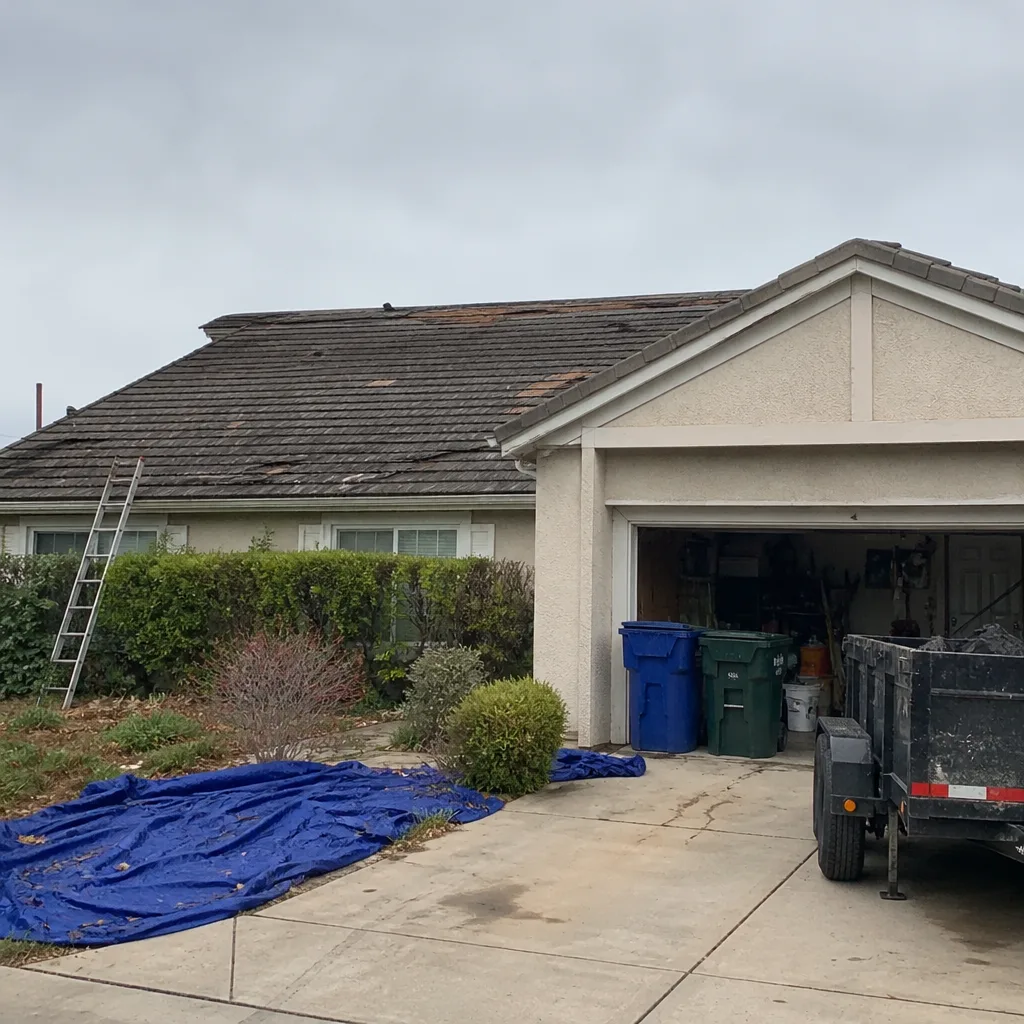 Before
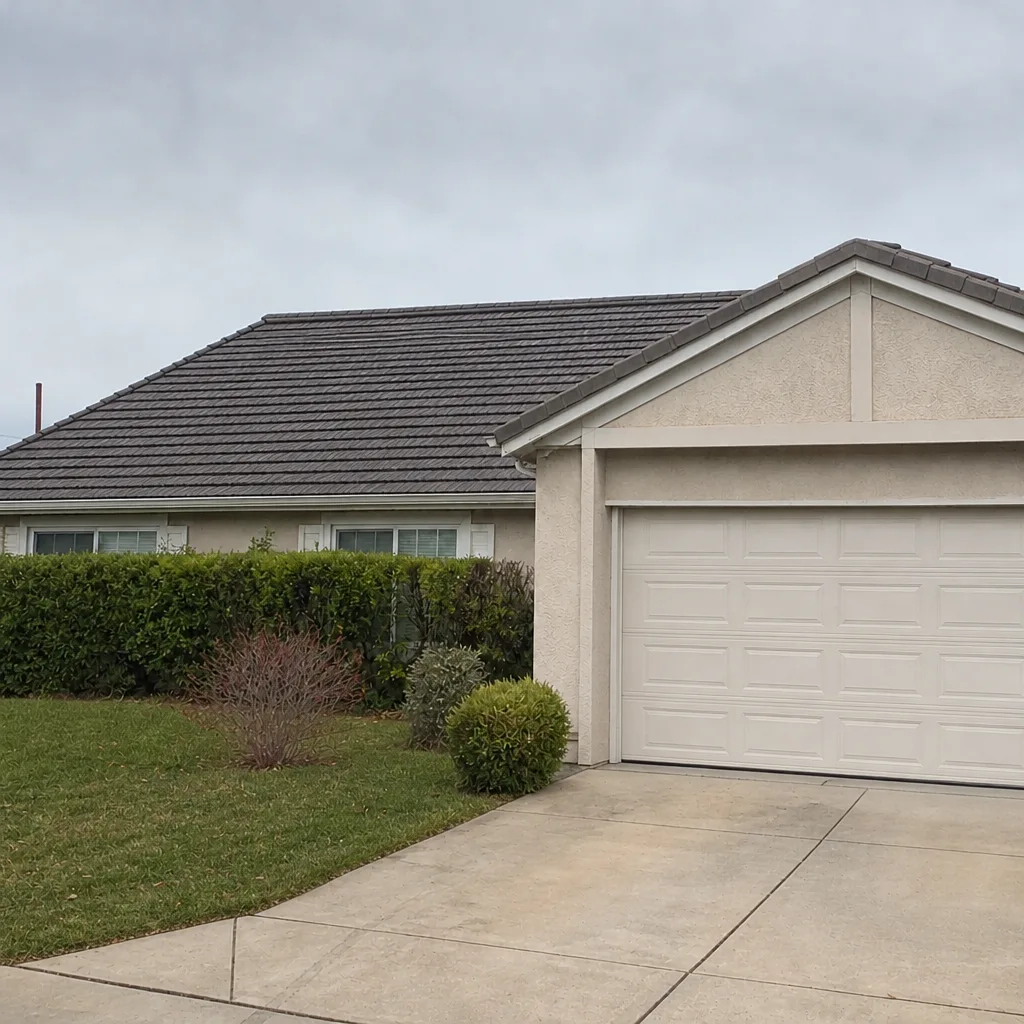 After
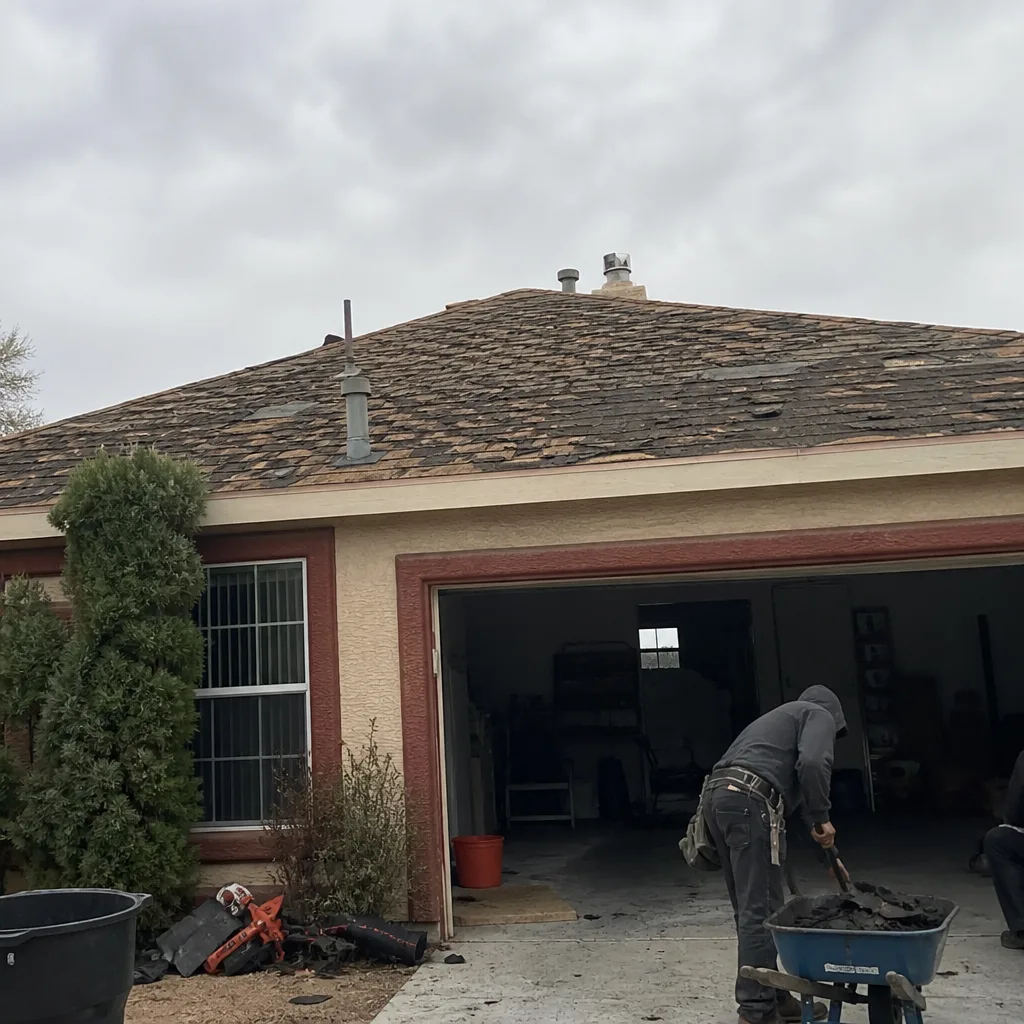 Before
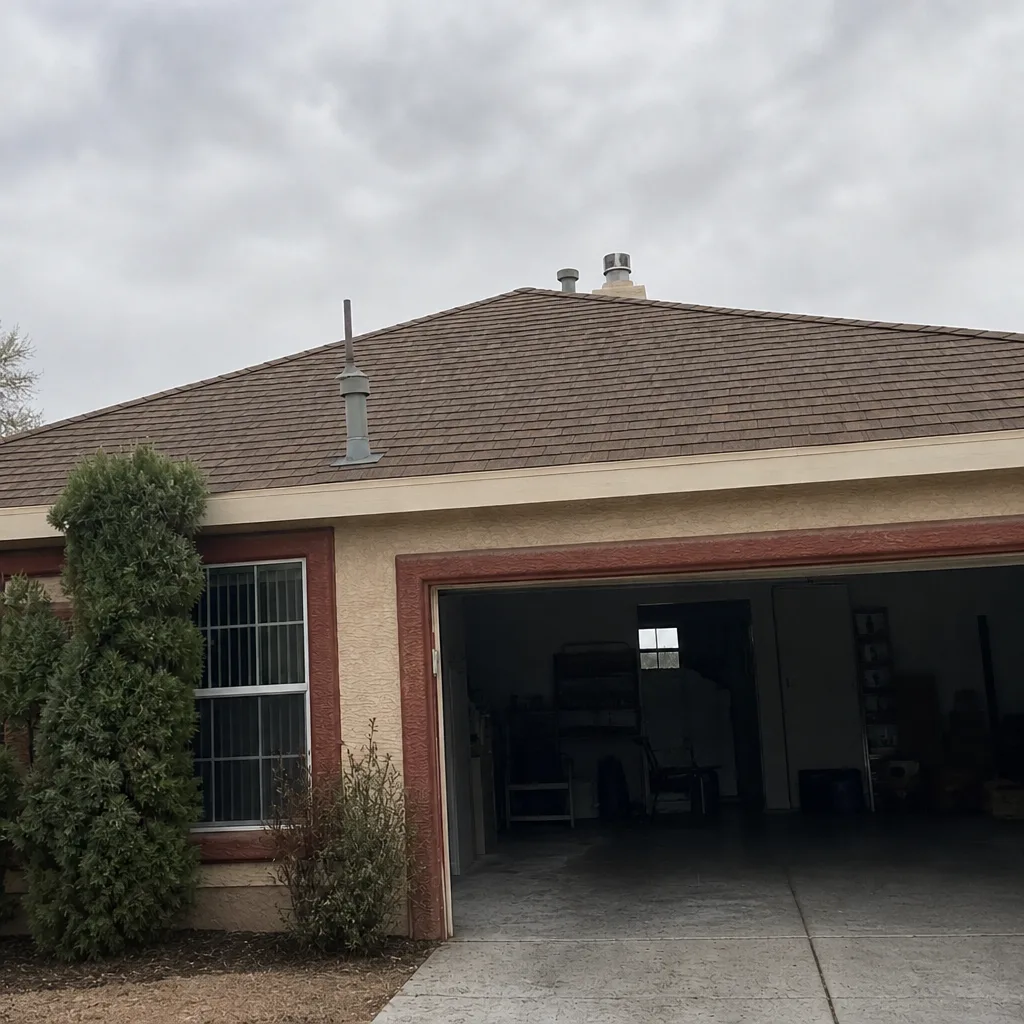 After
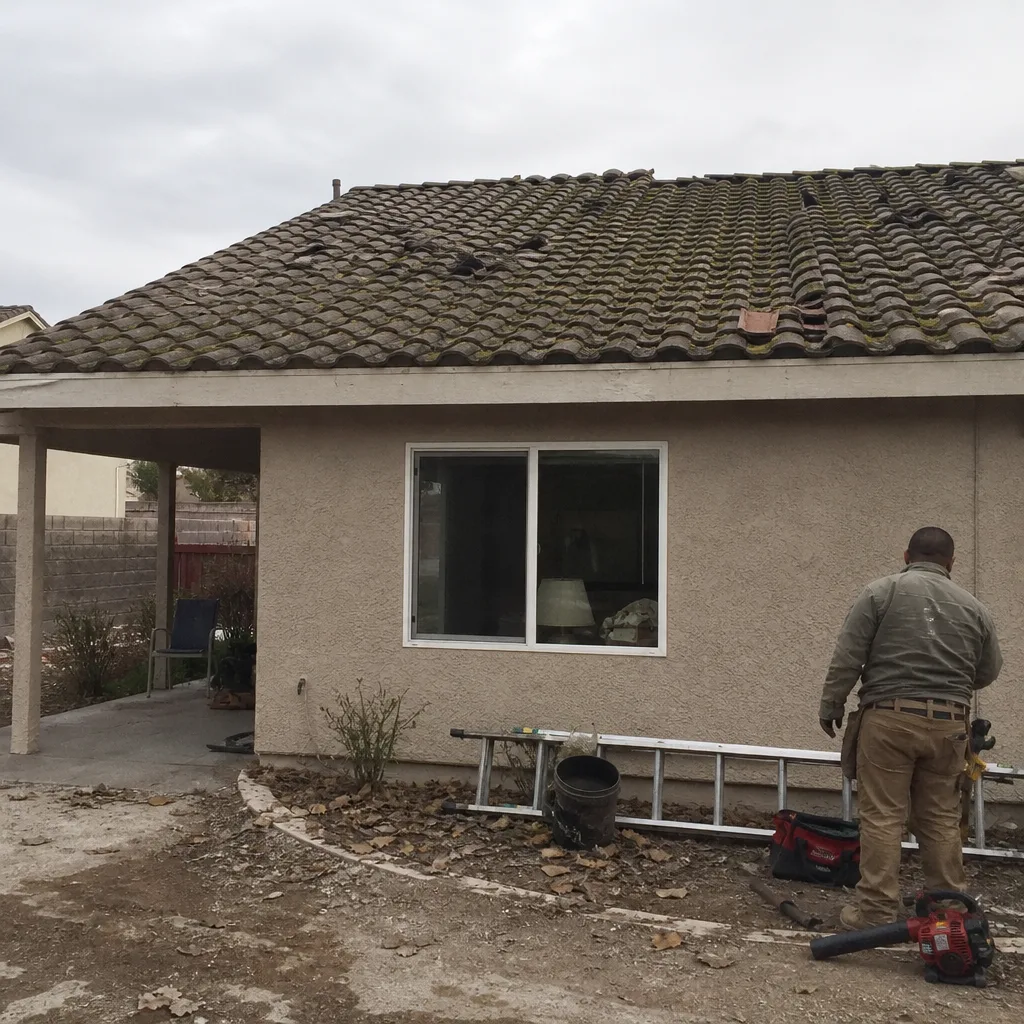 Before
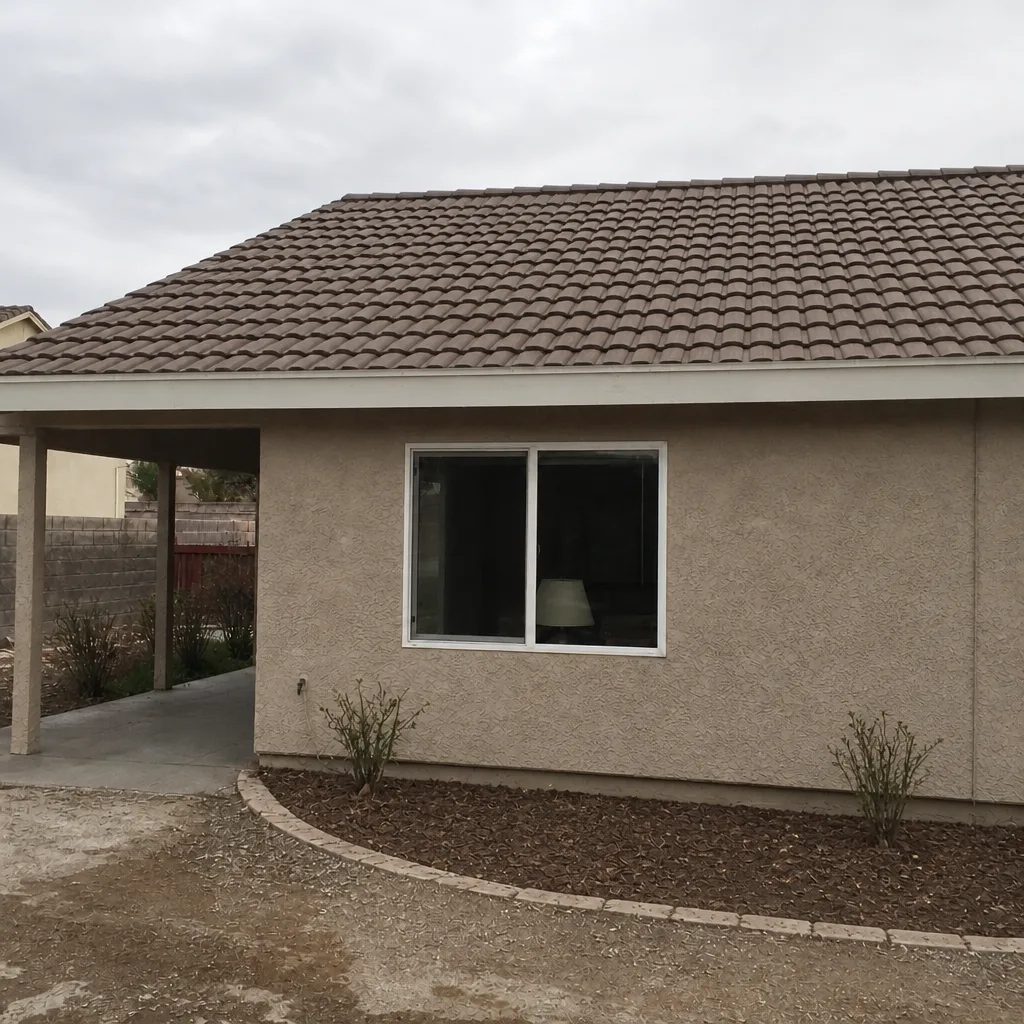 After
When to Call a Professional
Some roof decisions are obvious; most aren’t. Call a professional when the question moves past cosmetic preference into performance: you’re seeing granule loss in the gutters, you’ve noticed interior staining after a storm, an HOA letter has flagged your roof condition, or you’re at the point where a replacement decision must be made and you need to compare material options across brands. Also call if you can’t find the technical data sheet for the product you’ve been quoted; a contractor who can’t produce one is a red flag. Roofing Summerlin offers free estimates in Summerlin, with a written line-item quote and, where applicable, permits pulled and inspections passed. Call (833) 932-1305. We answer 24/7. Fast dispatch from 7am to 7pm, Sunday through Friday. Estimates are free and the price is set per job by the written estimate.
Frequently Asked Questions
There isn’t a single best brand – the right choice depends on your roof category, your HOA’s approved list, and the specs on the technical data sheet. In our experience, GAF, CertainTeed, and Owens Corning all offer strong premium-tier products, and the differences between tiers within a brand often matter more than the differences between brands. Call (833) 932-1305 for an exact quote – estimates are free.
Compare three things: the definition of “lifetime,” the list of what voids coverage, and the transferability rules at resale. “Lifetime” often means the original purchaser’s lifetime and may not transfer; some tiers include a one-time transfer window. Ventilation and installation method are common void triggers on all major lines. Ask each contractor to walk you through the fine print side by side.
SRI stands for Solar Reflectance Index. It measures how well a roof surface reflects heat versus a standard black surface. In Summerlin’s climate, a higher SRI keeps the roof cooler, reducing heat gain and cooling load. It matters most on darker colors, which have lower SRI values than lighter colors in the same product line. Ask for the SRI rating at the color you’re considering, not just the product.
Yes. Products locally stocked by a regional distributor typically move faster than special-order colors shipped from out of state. If your HOA requires a specific color, ask your contractor to confirm local availability before you sign. Brand and product line both factor into the timeline.
Generally no – most Summerlin master-planned communities require architectural review before a roof replacement, and installing a non-approved material can trigger a redo. Many brands offer compliant lines in approved colors, so the brand is often on the list even when the exact product isn’t. Request a variance with the data sheet if you want an alternative.
Yes. We install GAF, CertainTeed, Owens Corning, IKO, Atlas, Tamko, and Boral. That breadth lets us recommend based on your roof profile and budget rather than on what happens to be on the shelf. Call (833) 932-1305 to schedule a free estimate. We answer 24/7. Fast dispatch from 7am to 7pm, Sunday through Friday.
The Bottom Line
Choosing a roofing brand in Summerlin is a spec-by-spec decision, not a logo decision. Start with your roof category, then ask for the technical data sheet on the products being proposed. Compare SRI at the actual color, granule adhesion, high-temperature cracking resistance, and warranty terms across GAF, CertainTeed, Owens Corning, IKO, Atlas, Tamko, and Boral. Confirm your HOA’s approved material list in writing. Ask where the product is sourced and whether a color or profile match will be possible in five years. A multi-brand contractor makes those comparisons real. A single-brand contractor can only sell what’s in the truck. A roof replacement is a 20-to-30-year decision, and it deserves an honest conversation about materials.
Ready to compare options on your Summerlin roof? Call Roofing Summerlin at (833) 932-1305 for a free estimate, a written line-item quote, and a brand comparison that isn’t limited to one product line. We answer 24/7. Fast dispatch from 7am to 7pm, Sunday through Friday.
Written by the team at Roofing Summerlin.