
Last updated November 18, 2026
 Metal roofing
 Architectural shingles
 Tile roofing
 GAF
 Owens Corning
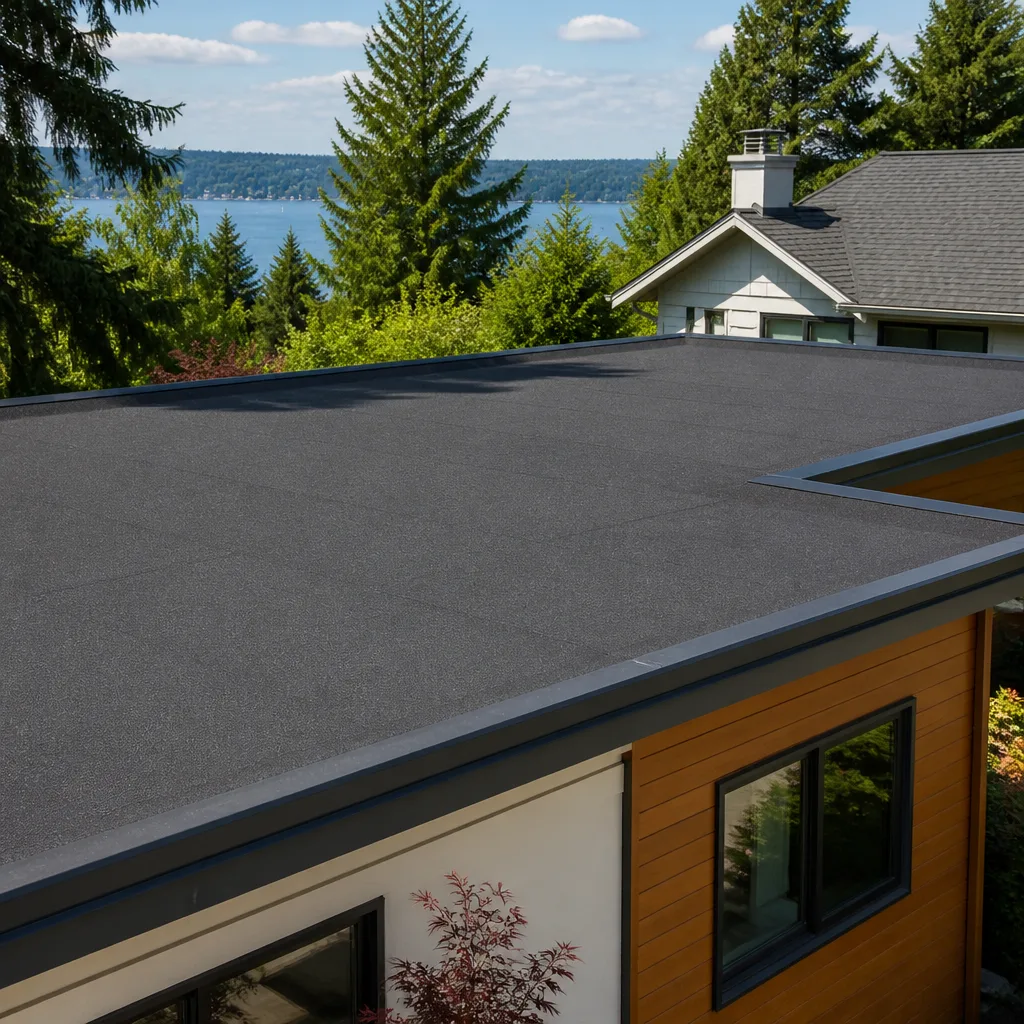 Flat & low-slope
Free roof inspection with deck photos before we talk money - GAF and Owens Corning certified installation
Seasonal Roofing Care for Summerlin: Year-Round Homeowner’s Guide
In Summerlin, “spring roof prep” isn’t about snow melt. It’s about getting ahead of the stretch from May through September, when surface temperatures on a dark roof can exceed 170°F and repairs become both harder to perform and more expensive to put off. Most homeowners here were handed a generic four-season maintenance calendar written for the Midwest, and it doesn’t match what happens to a roof above the Mojave. Summerlin doesn’t run four equal seasons. It runs two stress periods and two narrow, mild windows in between. This guide breaks down what each month actually does to your roofing materials, why October and November and February and March are the highest-value times to schedule inspection and non-emergency work, and what you can do from the ground before each stress period arrives.
Quick Answer
Roof care in Summerlin works best when it’s timed around two stress periods rather than four seasons: a long heat stretch from May through September and a monsoon window from July through September, separated by the mild October – November and February – March windows when inspections and non-emergency repairs are most practical. Schedule inspections in those mild windows, clear debris and check drainage before July, and photograph any interior leak as soon as it appears. Most damage we’re called out to review traces back to work that was deferred out of the heat, not to anything sudden.
Styles & brands we work with
- Architectural shingles
- Metal roofing
- Tile roofing
- GAF
- Owens Corning
- Flat & low-slope
Table of Contents
- Why Summerlin Has Two Roofing Stress Periods, Not Four Seasons
- A Month-by-Month Look at What Summerlin’s Climate Does to Your Roof
- The October – November and February – March Windows: Why Timing Saves Money
- What Monsoon Season Does to Summerlin Roofs
- How Winter Temperature Swings Affect Materials That Expanded All Summer
- Practical Actions You Can Take Before Each Stress Period (Without Getting on the Roof)
- Matching Materials to Summerlin’s Heat and Sun
- What a Professional Roof Inspection Covers in Summerlin
Why Summerlin Has Two Roofing Stress Periods, Not Four Seasons
Roofs in Summerlin live through two distinct kinds of stress each year, and everything else on the calendar is recovery time. The first is sustained heat. From May through September, a dark shingle surface can climb past 170°F during the afternoon, and that number stays high for months rather than days. The second is the monsoon window from July through September, when wind-driven rain arrives in short, intense bursts and finds every seam, lifted edge and blocked drain on the roof. Between those two periods sit the mild months, and that’s where the real maintenance value lives.
The practical consequence is simple. A repair scheduled in October is a repair done in comfortable temperatures with a stable surface. The same repair scheduled in the middle of July is one technicians perform in heat that makes sealants behave differently and makes a full inspection slower and riskier to carry out. That’s not a sales pitch for the off-season. It’s just how the material physics work here.
Homeowners in Summerlin who understand this rhythm stop thinking of roof care as a spring and fall checklist. They think in terms of “before the heat” and “before the monsoon,” with two calm stretches in between to get the work done. Once you frame it that way, a lot of the confusion around seasonal maintenance disappears.
The two stress periods at a glance
- Heat stress (May – September): sustained surface temperatures above 170°F on dark roofs, thermal expansion of shingles and sealants, and a much narrower window for comfortable repair work.
- Monsoon stress (July – September): wind-driven rain, uplift at tile edges, ponding on flat sections, and flash-flood-style runoff that overwhelms clogged drainage.
A Month-by-Month Look at What Summerlin’s Climate Does to Your Roof
A generic four-season maintenance chart was written for climates with snow load, freeze-thaw cycles and a wet spring. Summerlin has none of those in the same shape, so the real calendar looks different. Here’s what each stretch of the year actually does to a roof here.
- January: The coldest nights can drop near freezing. Materials that expanded all summer contract, and minor sealant gaps often appear or widen. This is a good month to note any interior signs of moisture, like a faint stain on a ceiling, before the work season picks up.
- February – March: The first mild, high-value window of the year. Inspection and non-emergency repair work is comfortable to perform, and any winter-related movement in the roof gets caught before the heat sets in.
- April: The last comfortable month before sustained heat. Flashing, sealants and drainage should be checked now, because the surface temperature starts climbing fast.
- May – June: The heat ramp. Dark roofs cross 170°F routinely, thermal expansion is at its peak, and repairs become harder on the material and harder to perform. Schedule anything non-urgent for later.
- July – September: Monsoon season. This is where wind uplift, ponding and debris-blocked drainage create the most demand for roof repair in Summerlin. Short, intense storms test every seam.
- October – November: The second mild, high-value window. Post-monsoon inspection is essential here, because a problem that opened up in August may not leak visibly until the next rain. This window catches it before it becomes interior damage.
- December: A quieter month. Nights get cold, and it’s a good time to review the year’s inspection notes and plan any replacement you’re considering for the next mild window.
If you take nothing else from this section, take the two windows: February – March and October – November. Everything else is either stress or recovery.
The October – November and February – March Windows: Why Timing Saves Money
The October – November and February – March windows in Summerlin are the highest-value times to schedule inspections and non-emergency repairs because the materials, the work environment and the diagnostic conditions all line up. Roof temperatures are stable, sealants behave predictably, and technicians can inspect the full roof surface without the heat slowing things down or pushing the material past its working temperature.
Here’s what that means in practice.
Why October – November is the post-monsoon window
After July through September, the roof has just absorbed the year’s most demanding weather. Wind has tried every lifted tile. Rain has tested every seam. Debris has had a chance to pile up in the drainage. An October inspection catches those problems while the evidence is still visible and before the next rain cycle turns a small opening into an interior leak. Homeowners often tell us they “didn’t see anything,” and that’s the point. Most monsoon damage is subtle from the ground and obvious from the roof.
Why February – March is the pre-heat window
The winter temperature swings have moved materials, and the heat is still weeks away. February and March are when you fix what winter opened and prepare for what summer will expand. That ordering matters. A sealant job in February is done in conditions the material was designed for. The same job pushed to June happens in surface temperatures above 170°F, and the result is less reliable.
What to schedule in each window
- October – November: post-monsoon inspection, drainage clearing, uplift and flashing checks, and any repair flagged earlier in the year that got deferred.
- February – March: pre-heat inspection, sealant refresh, fastener checks, and any replacement planning you’ve been putting off.
None of this makes summer repairs impossible. Emergency work happens year-round. But for anything non-urgent, the same scope of work done in a mild window is usually a better outcome at a lower total cost, because it’s caught before it becomes a bigger job. If you’re weighing repair against replacement, our guide to roof replacement walks through the decision.
What Monsoon Season Does to Summerlin Roofs
Monsoon season in Summerlin, roughly July through September, is the second stress period, and it produces three distinct kinds of damage. Understanding each one tells you exactly what to check in advance.
1. Wind uplift on tile
Tiled roofs are common here, and wind is the material’s main enemy during monsoon. Fast-moving gusts work at the edges and ridges first, where tiles are most exposed. A lifted tile or a displaced ridge piece isn’t dramatic on its own, but it opens a path for rain into the underlayment. By the time it shows up as a ceiling stain, the damage is well behind the visible failure. Boral roof tile, one of the brands we install, has specific wind-rating documentation, and the attachment method matters as much as the tile itself.
2. Ponding on flat sections
Flat roofs and low-slope porches and patio covers pond when water can’t drain quickly enough. Short, intense rain overwhelms a slow drain far more easily than steady drizzle does. Ponding stresses the roof membrane and, over time, finds its way through joints and penetrations. It’s one of the most common things we flag on flat sections during a summer inspection.
3. Debris-blocked drainage
Desert wind deposits debris in exactly the places drainage needs to stay clear: valleys, low points, and around drains. Blocked drainage concentrates water where it wasn’t designed to sit. Before the monsoon arrives, the single most useful thing you can do is confirm every drainage path is clear and stays clear through the season.
The through-line on all three: monsoon damage is usually started by something that could have been caught in the spring, or fixed in the fall before it turned into something worse.
How Winter Temperature Swings Affect Materials That Expanded All Summer
Winter nights in Summerlin can drop near freezing, and that matters more than homeowners expect. Materials that spent all summer expanding in the heat now contract, and anything that was installed or sealed at the peak of summer is working against that movement. The result is not usually a dramatic failure. It’s small gaps, hairline cracks, and slowly loosening fasteners that only reveal themselves when a spring rain finds them.
This is why the February – March window matters so much. The roof has just spent a winter contracting, and an inspection in that window catches the movement before the heat starts expanding everything again. Left alone, the cycle repeats: expand all summer, contract all winter, and each round works the material a little harder than the last.
What winter swings tend to surface
- Sealant gaps at flashing, valleys and penetrations, where two materials move differently in cold.
- Loosened fasteners on panels and tile attachments that cycled through expansion all summer.
- Hairline cracks in membrane and coating on low-slope sections, which only leak under sustained rain.
The best time to address these is before the heat returns. A February inspection reads the roof’s condition in a stable state, not mid-expansion.
Practical Actions You Can Take Before Each Stress Period (Without Getting on the Roof)
Everything here is done from the ground, because we don’t recommend homeowners get on a Summerlin roof. The heat, the height and the material make it a job for a trained professional. But there’s a surprising amount you can do without climbing up.
Before the heat (April – May)
- Look at your attic. A dry attic in May doesn’t guarantee no leak, but an active stain, musty smell or daylight through the decking is a strong signal to call for inspection.
- Check the gutters and downspouts you can reach. Clear what’s visible from a step ladder at grade level, and note any that won’t drain.
- Walk the perimeter. Look for lifted or missing tiles and displaced ridge pieces from the ground. Binoculars are fine.
- Photograph any interior sign of moisture. A dated photo helps an inspector trace the path back to the roof.
Before the monsoon (June – early July)
- Confirm drainage paths are clear. Debris tends to collect in valleys and around drains, and it’s the biggest single cause of ponding.
- Check the low-slope sections. Any flat porch or patio cover should be visibly draining, not holding water from even a small rain.
- Note any interior stains from the prior year. If a stain hasn’t grown, that’s useful information too.
After the monsoon (October)
- Repeat the attic and perimeter checks. Post-monsoon is when most hidden damage shows up, so this is the most important review of the year.
- Compare notes. Anything different from your spring check is worth a professional inspection.
To schedule a professional inspection in the mild window, call Roofing Summerlin.
Matching Materials to Summerlin’s Heat and Sun
The material on your roof matters more here than in a climate with milder summers. Sustained heat and intense sun work on roofing materials every hour of the day through five months of the year, and the differences between product lines show up in how well they hold their color, resist cracking and stay attached through wind events.
We install seven of the industry’s leading brands, including GAF, CertainTeed, Owens Corning, IKO, Atlas, Tamko and Boral, and the reason is simple. A material recommendation here should be driven by your roof’s profile and your budget, not by whatever a single-brand contractor happens to carry. That choice is genuinely different from roof to roof.
What matters most in Summerlin
- Heat and UV resistance. Products rated for high-heat exposure hold up better across the five-month summer than entry-level lines.
- Wind ratings on tile. Boral tile and similar products document their wind performance, and the attachment method matters as much as the tile’s rating.
- Color choice. A reflective or lighter-colored roof reduces surface temperature and reduces thermal expansion. It’s not a small factor.
- Warranty tiers. Multiple brands means you can compare coverage levels across competing manufacturers instead of taking a single warranty as the only option.
A roof replacement is a 20-to-30-year decision. It deserves an honest conversation about materials, not a single-brand pitch. If you’re in that decision, we’re happy to show you what each line looks like on a roof like yours.
What a Professional Roof Inspection Covers in Summerlin
An inspection is the one service that tells you what your roof actually needs, and in Summerlin it should be timed for one of the mild windows. We treat inspection as a standalone service, not a sales funnel. If repair is the right call, we’ll tell you. If it isn’t, we’ll show you why. That’s not a slogan. It’s what an honest condition assessment looks like.
What a full inspection looks at
- Shingle and tile field. Cracking, granule loss, lifted edges, and displaced pieces across the whole surface.
- Ridges and hips. The most wind-exposed areas, and the first to show uplift damage.
- Flashing and penetrations. Chimneys, vents, skylights and every spot where the roof is interrupted by something else.
- Valleys. Where water concentrates, and where debris and erosion show up first.
- Low-slope sections. Ponding, membrane condition, and drainage.
- Drainage as a system. Gutters, downspouts, scuppers and drains, viewed together rather than one at a time.
- Attic and interior. What the roof is doing from the inside, which often tells a different story than the top.
A full inspection takes time and reads the roof in three ways: what it looks like now, what the seasonal cycle is likely to do next, and what the owner’s history suggests. Our technicians have up to 8 years of experience, and that history is what catches the things a quick visual check misses.
Common Mistakes to Avoid
- Following a four-season calendar. Summerlin doesn’t have four equal seasons, and Midwest-style spring and fall checklists miss both stress periods here. Time your inspection to the actual windows.
- Deferring non-urgent repairs until summer. A repair scheduled for July is one performed in surface temperatures above 170°F, and both the material and the schedule are working against you.
- Skipping the post-monsoon inspection. August problems often don’t show as interior damage until the next rain. October is when they’re cheapest to fix.
- Ignoring low-slope sections. Ponding on a flat porch or patio cover is easy to overlook from the ground, and it’s one of the most common causes of membrane failure here.
- Assuming a tile roof can’t lift. Monsoon wind works the edges and ridges first. Lifted tile is quiet until it becomes an underlayment issue.
- Climbing up to check it yourself. Summerlin roofs are hot, steep and high. Ground-level observation and a professional inspection cover the same questions without the risk.
- Treating an inspection as a sales visit. You want a condition assessment first. If a contractor can’t tell you why a repair is needed, keep asking.
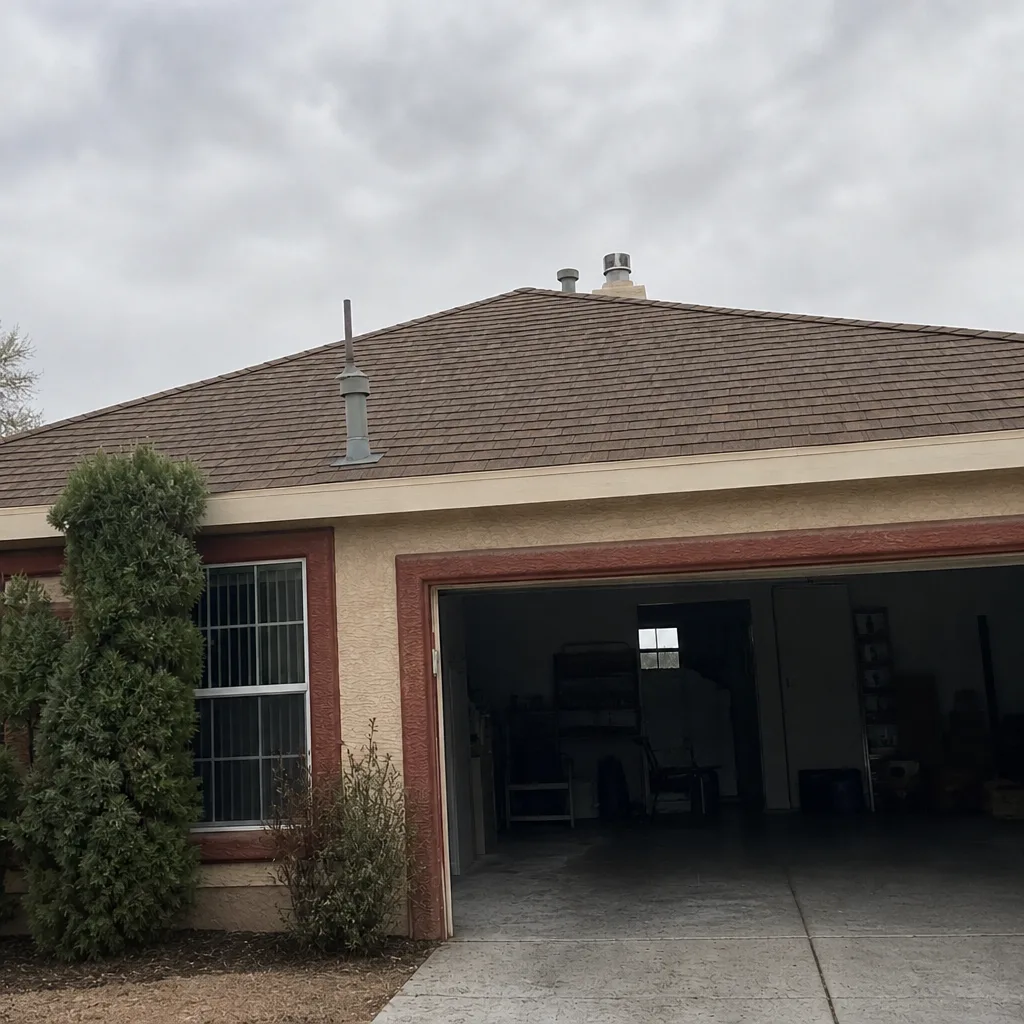
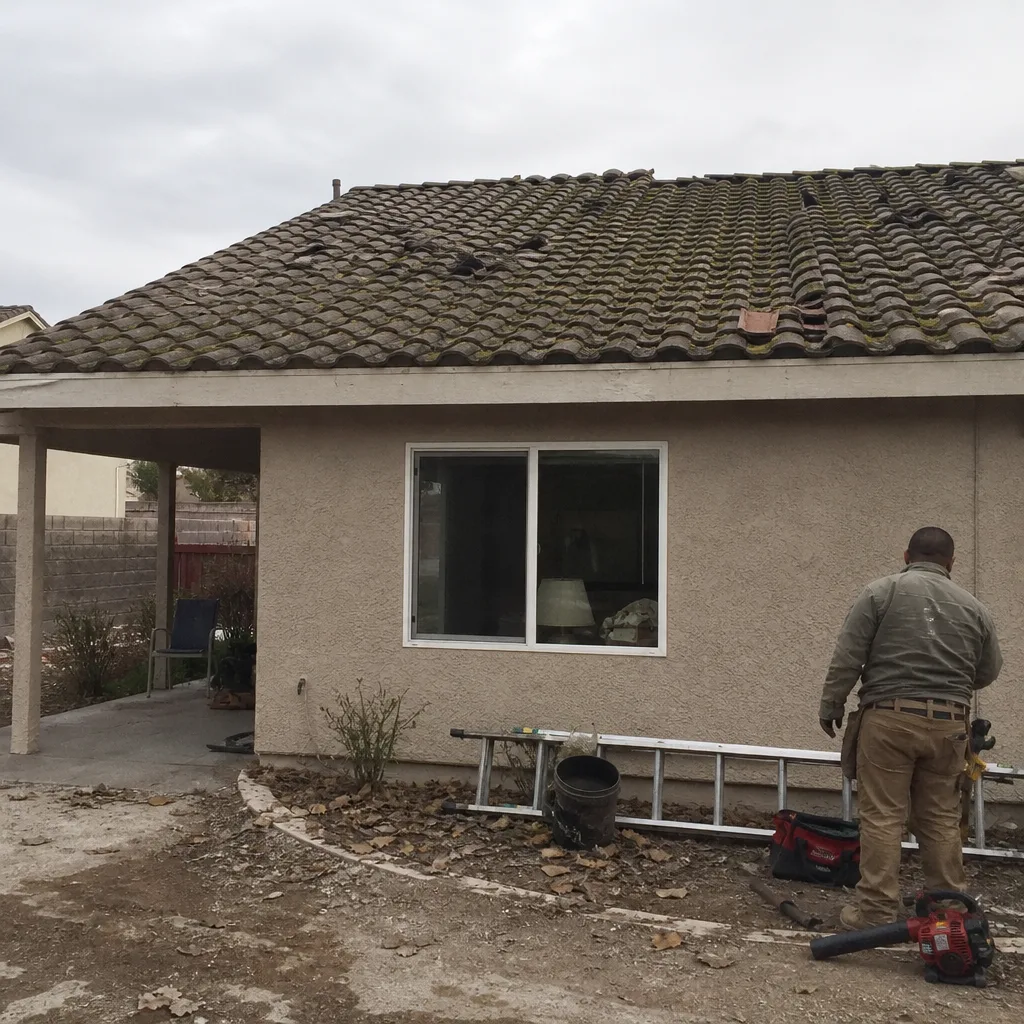
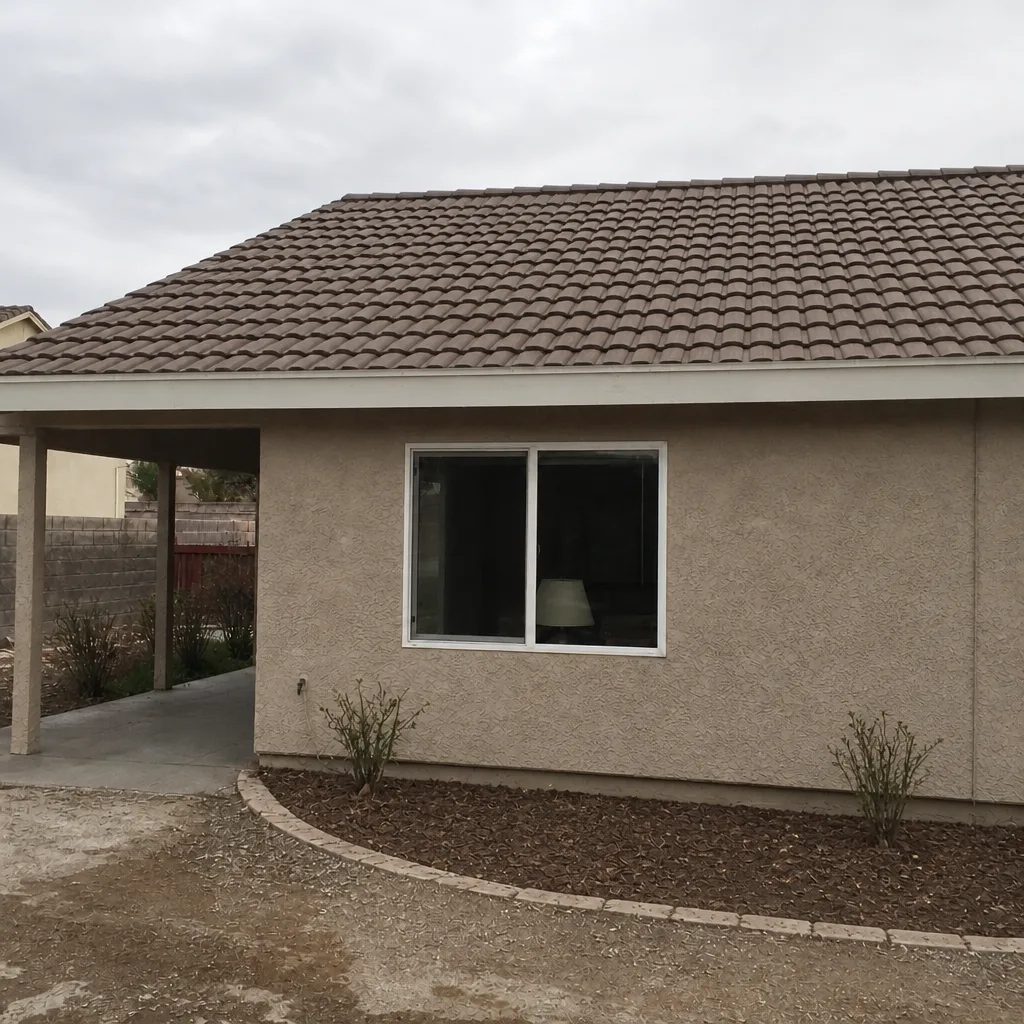
See the difference
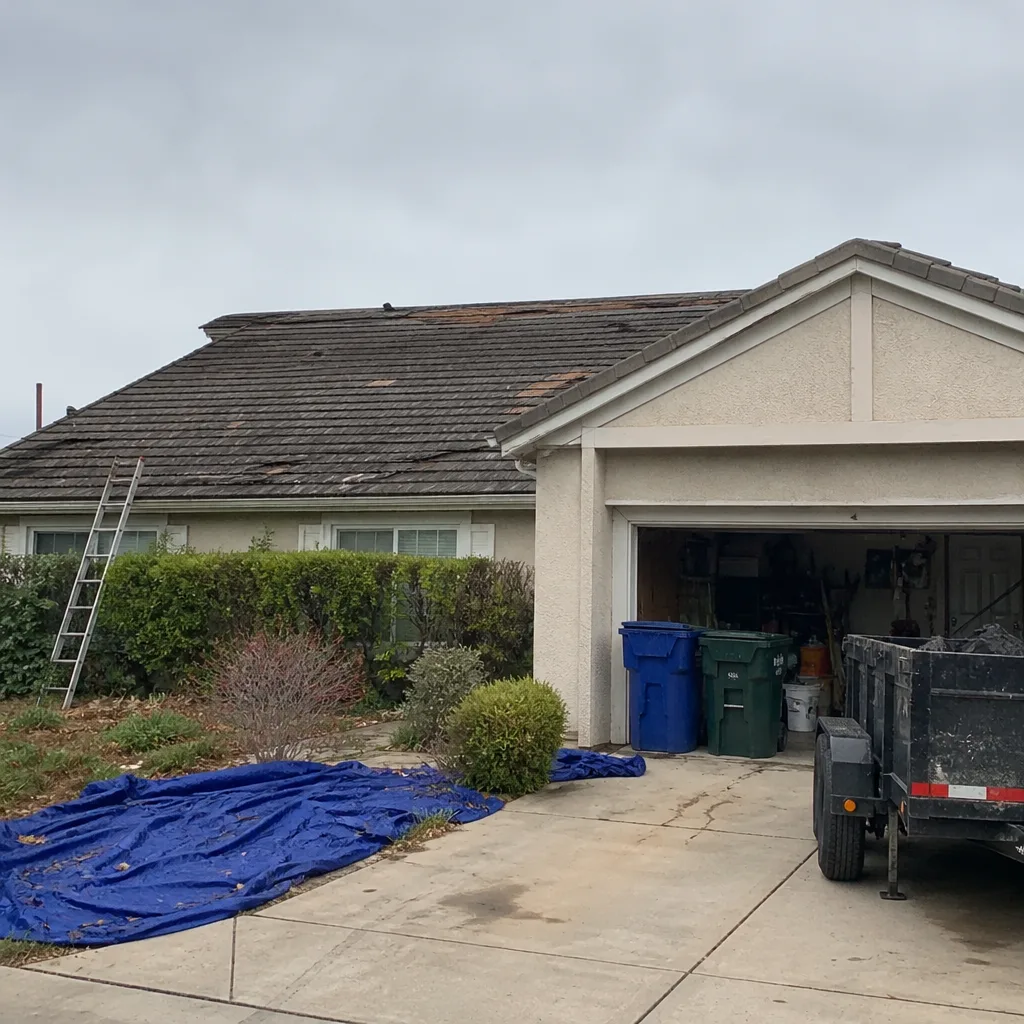 Before
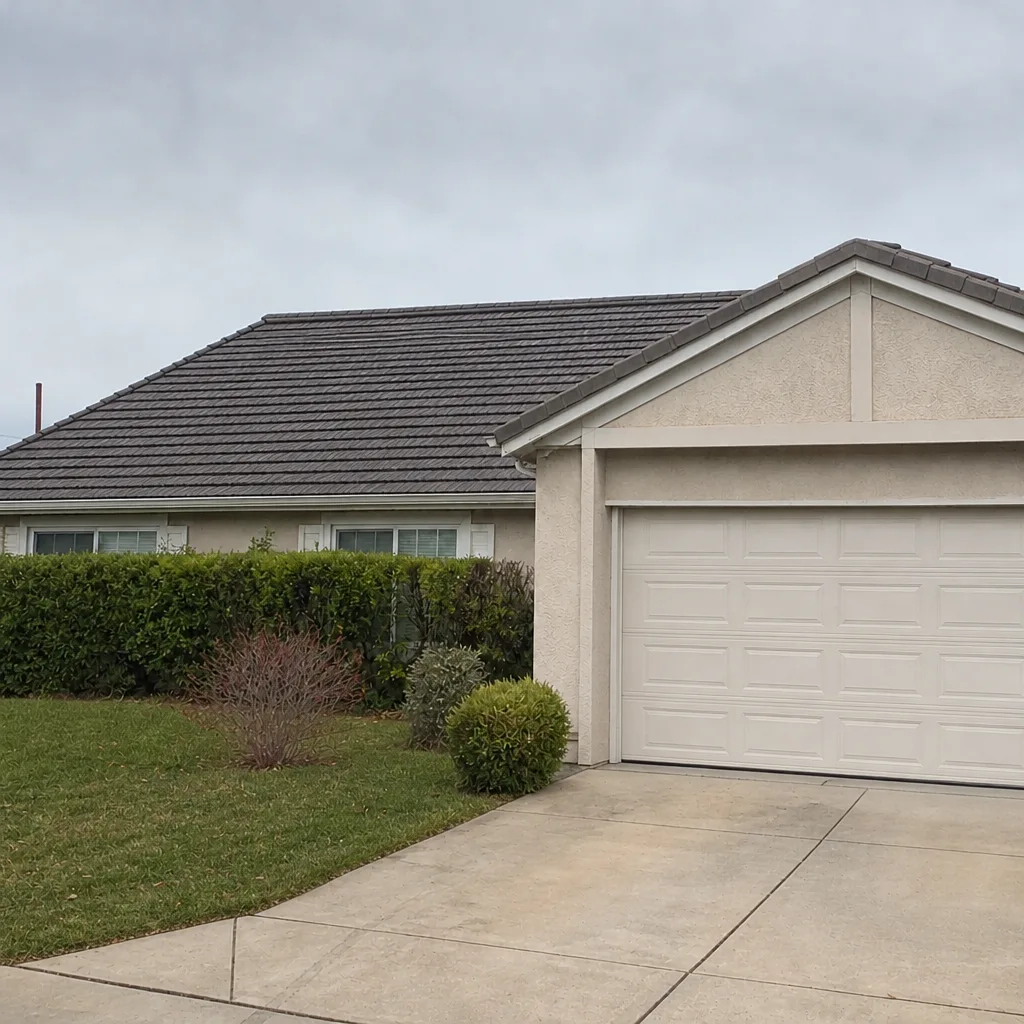 After
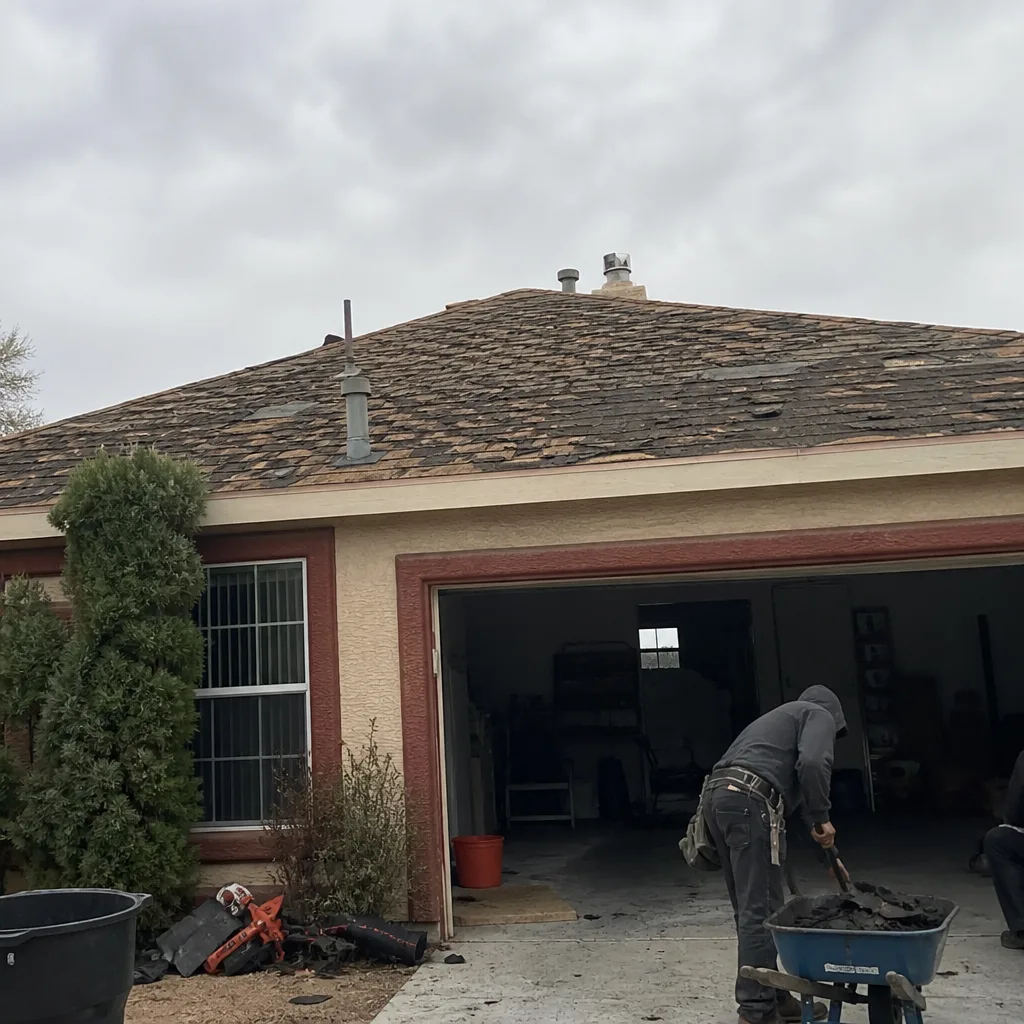 Before
 After
 Before
 After
When to Call a Professional
Call for a professional inspection if you see a stain on a ceiling or wall, if you notice lifted tiles or missing ridge pieces from the ground, if a flat section is holding water after even a small rain, or if you simply haven’t had the roof assessed in the last year. Also call if you’re planning a replacement and want to compare materials fairly. In Summerlin, the best time to book an inspection is the February – March or October – November window. Roofing Summerlin offers free estimates in Summerlin. Call (833) 932-1305. We answer 24/7. Fast dispatch from 7am to 7pm, Sunday through Friday.
When you call, tell us what you’ve seen. A dated photo, an interior stain, a lifted tile you spotted from the driveway: all of it helps us scope the inspection to your roof rather than running a generic checklist.
Frequently Asked Questions
The best windows are October – November and February – March. Those are the mild stretches between Summerlin’s two stress periods, when surface temperatures are stable and technicians can assess the roof without the heat slowing the work or pushing the material past its working temperature. A post-monsoon inspection in October catches summer damage before it leaks; a pre-heat inspection in February catches winter movement before the heat expands everything again. Call (833) 932-1305 for an exact quote. Estimates are free.
Roof repair in Summerlin is priced per job by the written estimate, and the scope depends entirely on what the inspection finds. A single lifted tile and a ponding low-slope membrane are very different repairs. We don’t quote from the phone because a number given without knowing the roof is worth less than the inspection that produces the real one. Call (833) 932-1305 to schedule a free inspection and a written line-item estimate. Estimates are free.
The written estimate sets the final price. If we find something during the job that wasn’t visible during the inspection, you’ll hear about it before we touch it. Fixed pricing with no change orders is how we work. Call (833) 932-1305 for an exact quote. Estimates are free.
Yes, but usually in subtle ways rather than dramatic ones. The three most common issues are wind uplift at tile edges and ridges, ponding on flat sections, and debris-blocked drainage that concentrates water where it wasn’t designed to sit. None of those is obvious from the ground, which is why the October inspection matters. Call (833) 932-1305 to book a post-monsoon inspection. Estimates are free.
No. Summerlin roofs get extremely hot, the pitch is often steep, and the material is at its most fragile in the heat. Ground-level checks are safe and useful: perimeter walks, attic inspections, gutter clearing from a step ladder, and photographing interior signs of moisture. Anything on the roof itself should be handled by a trained professional. Call (833) 932-1305 to schedule an inspection. Estimates are free.
Timeline depends on the size and complexity of the roof and the material chosen, and we set it in the written estimate before work starts. What we’ll tell you up front is that the mild windows are the practical time to schedule a replacement, because the heat of summer slows the work and stresses the new material. For a full breakdown of the process and what to expect, see our roof replacement guide, or call (833) 932-1305 for a free estimate.
The Bottom Line
Summerlin doesn’t need a four-season roofing calendar. It needs two stress periods and two mild windows. Before the heat, before the monsoon, and after each: those are the moments that matter. February – March and October – November are when inspections and non-emergency repairs are cheapest and most reliable, and when you can catch the problems that summer heat and monsoon wind open up. From the ground, the most useful work is checking the attic, clearing what you can reach and photographing anything that looks wrong. Everything above the ground belongs to a professional. If you want the inspection on the calendar, call (833) 932-1305 for a free estimate. We answer 24/7. Fast dispatch from 7am to 7pm, Sunday through Friday.
Written by the team at Roofing Summerlin.