
Last updated November 18, 2026
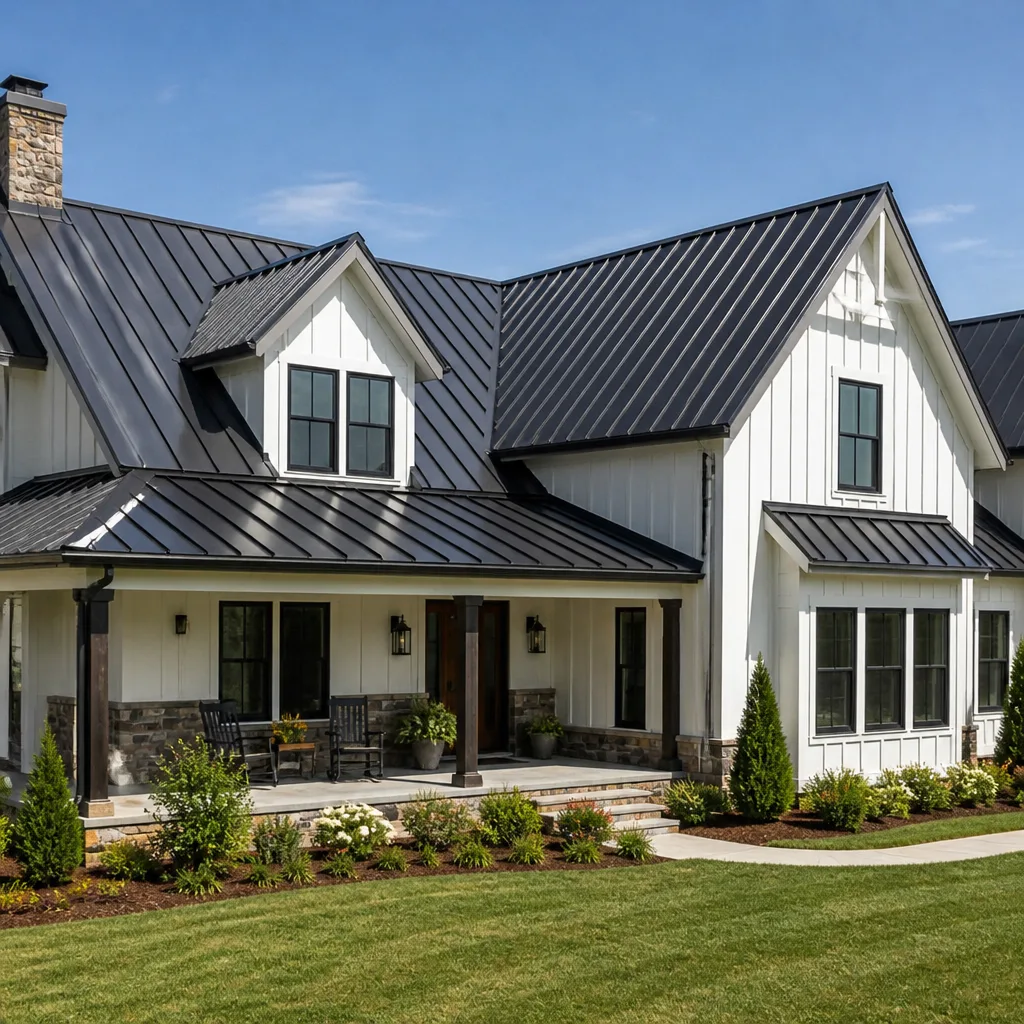 Metal roofing
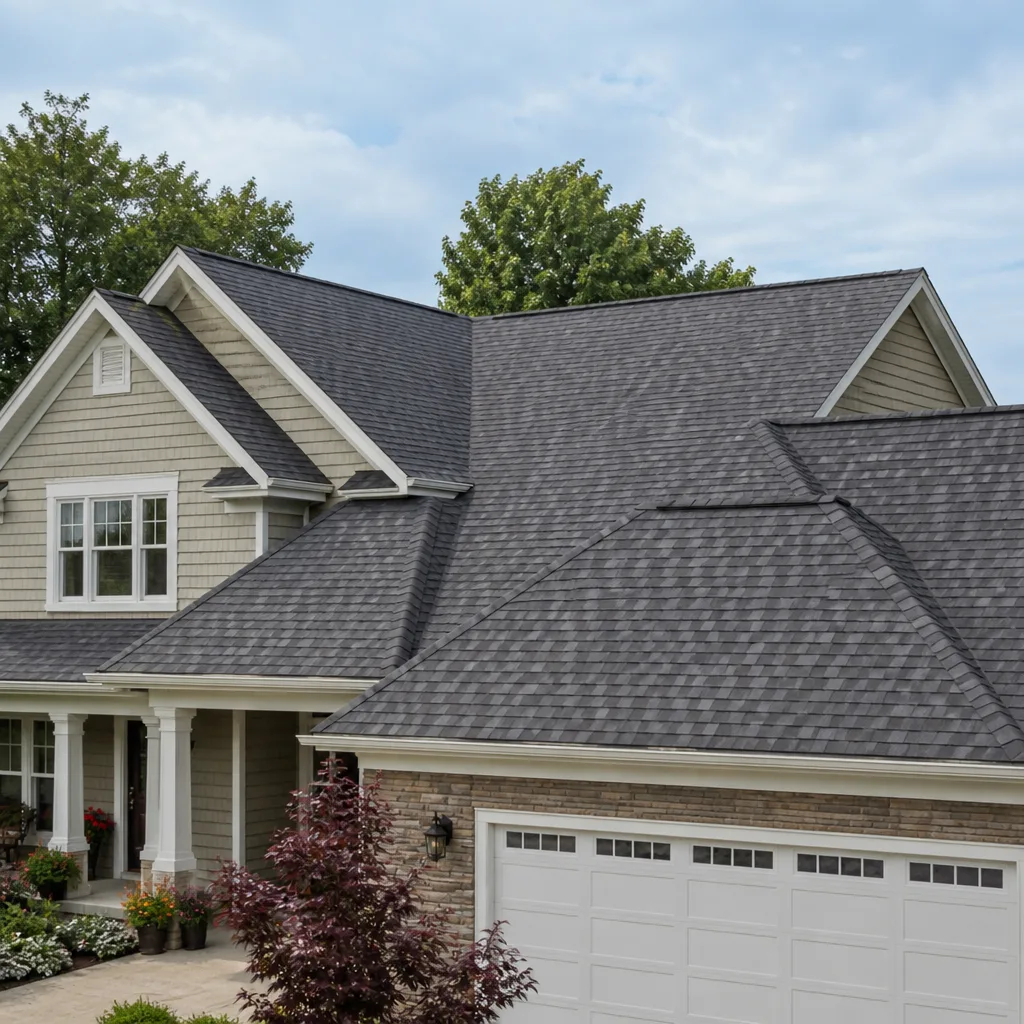
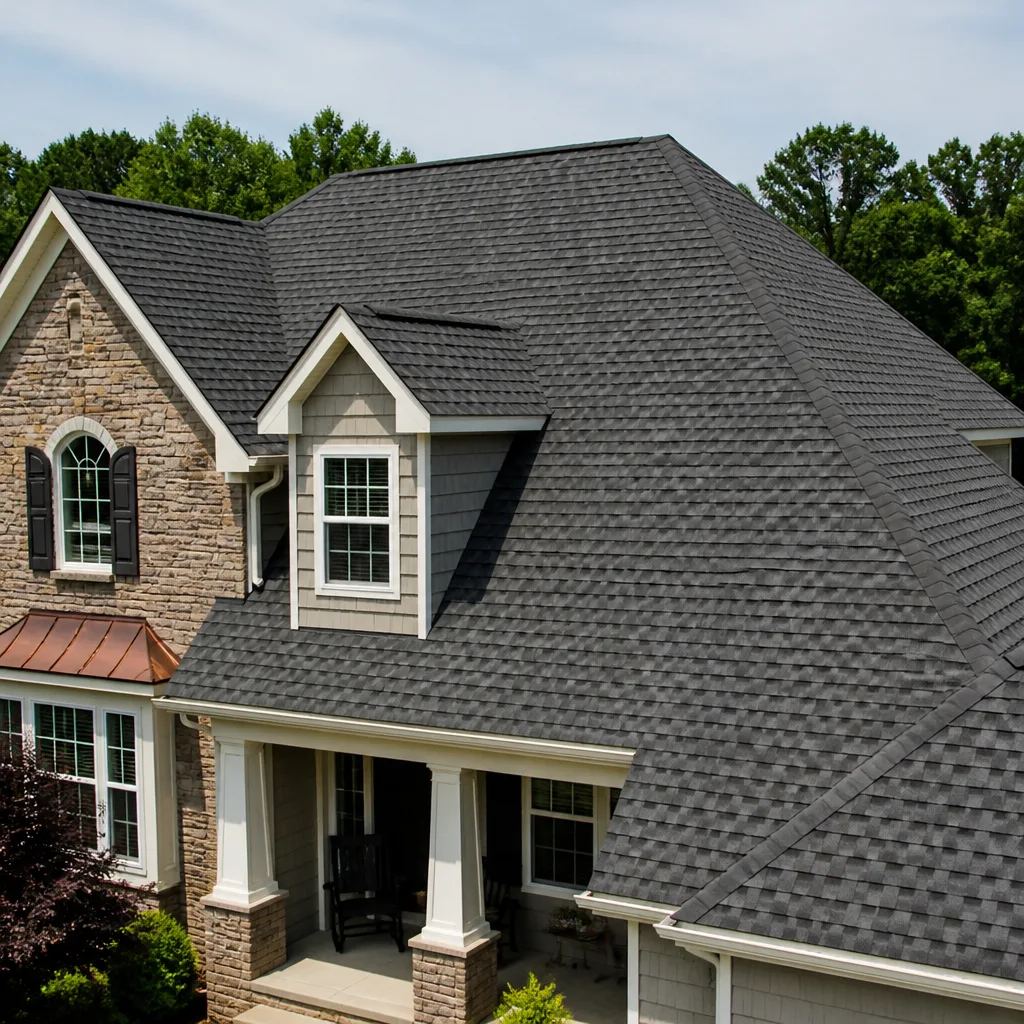 Architectural shingles
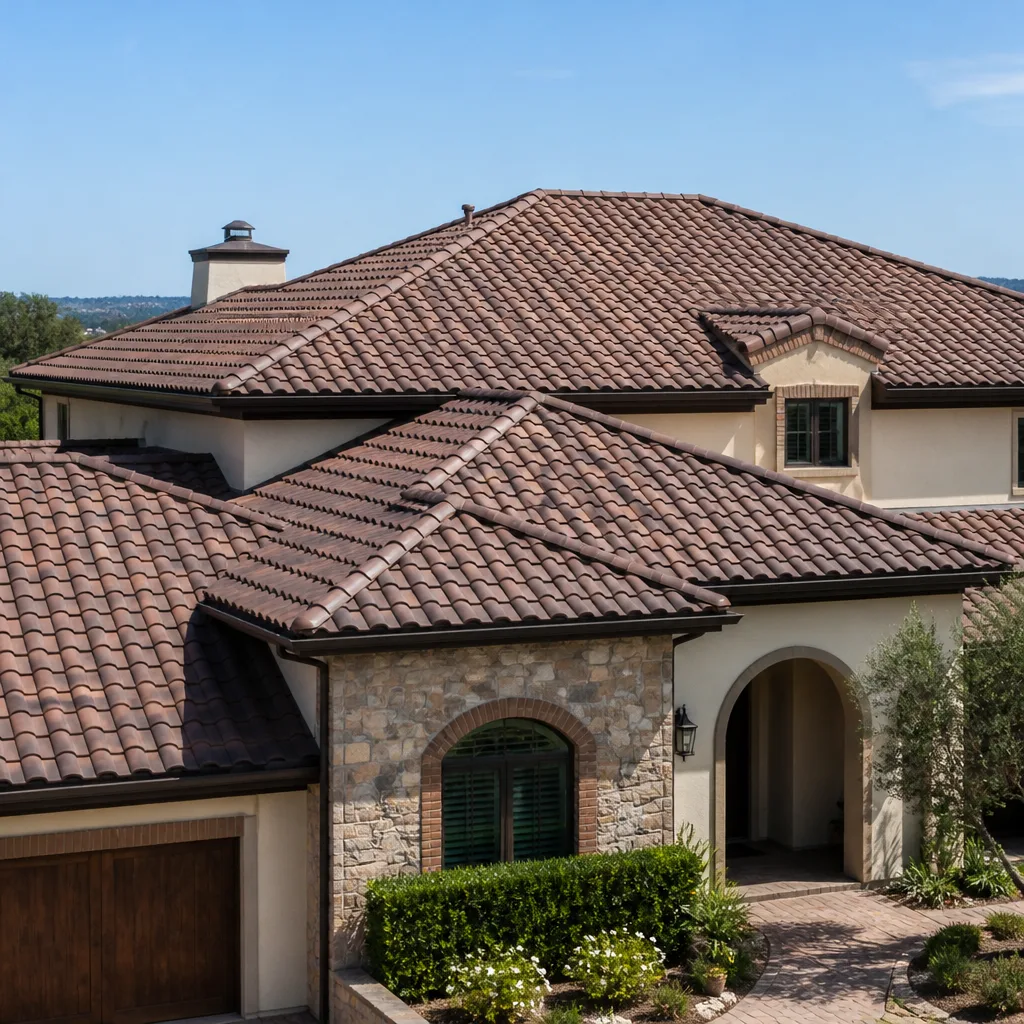 Tile roofing
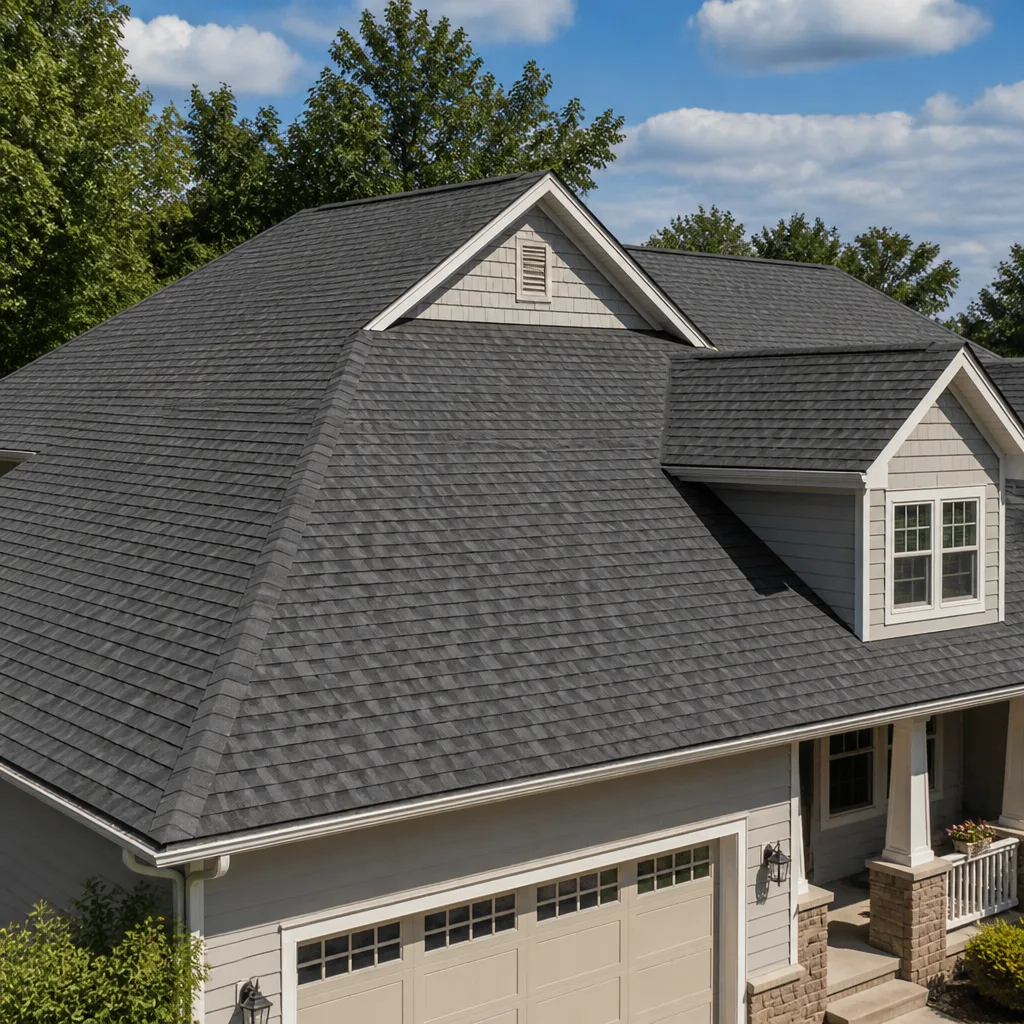 GAF
 Owens Corning
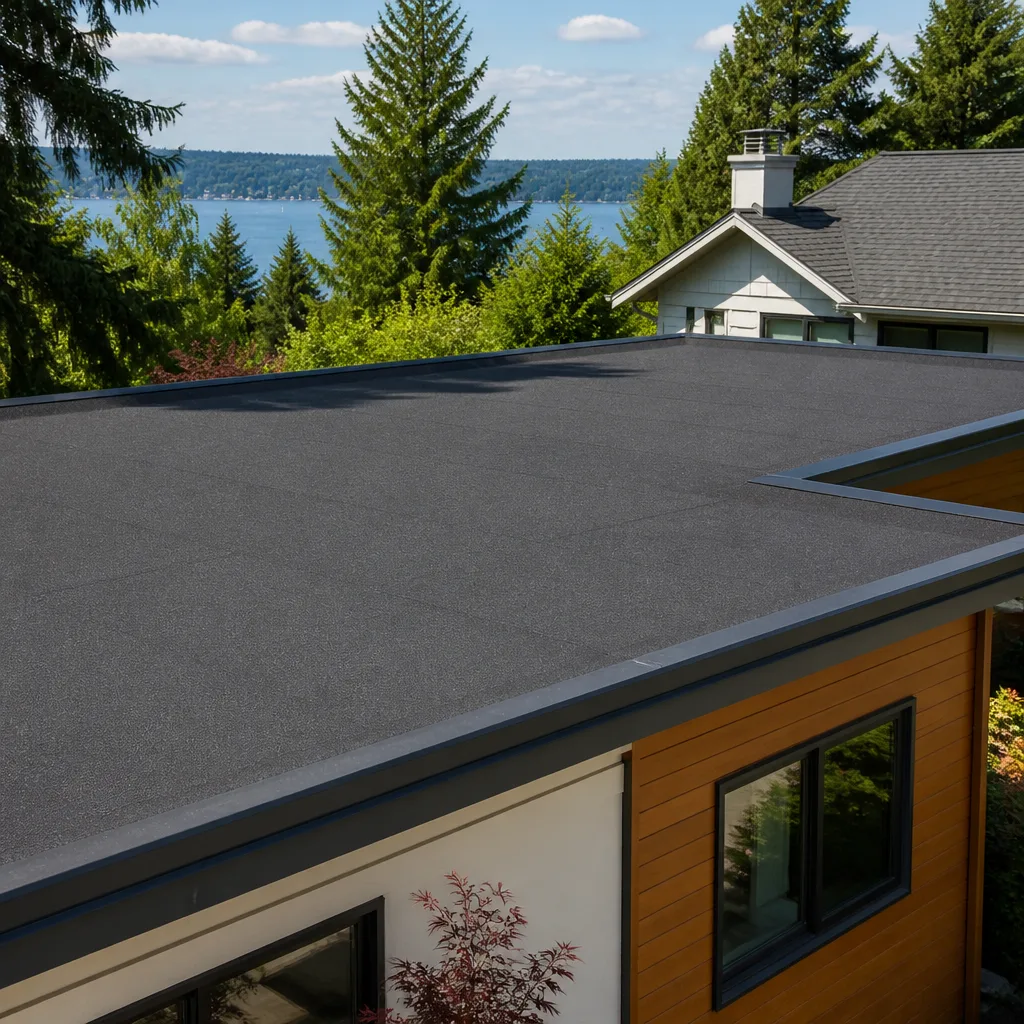 Flat & low-slope
Free roof inspection with deck photos before we talk money - GAF and Owens Corning certified installation
Roofing Cost Breakdown: The Summerlin Homeowner’s Reference for 2026
Two bids for the same Summerlin roof can land 40% apart, and the gap almost never sits in the labor line. It sits in what goes under the tile or shingles, in the thickness of the underlayment, in whether the price includes full tear-off and disposal, and in how the bid handles the decking you can’t see from the driveway. Most homeowners compare the bottom number and never ask what’s behind it. This guide pulls an itemized roofing estimate apart piece by piece, with 2026 cost ranges for a Summerlin roof, so you can read a bid the way a roofer does and know exactly what you’re paying for before you sign.
Quick Answer
A full roof replacement on a typical Summerlin home runs roughly $9,500 to $28,000 in 2026, with most single-family homes landing between $13,000 and $19,000 depending on material, roof size, slope complexity, and whether the decking needs work. Material choice moves the total more than any other single decision. The line that matters most is what the bid says about underlayment, tear-off, and decking allowance, because that’s where cheap estimates hide their savings.
Styles & brands we work with
- Architectural shingles
- Metal roofing
- Tile roofing
- GAF
- Owens Corning
- Flat & low-slope
Table of Contents
- What a Summerlin Roofing Estimate Should Itemize
- How Material Choice Shifts Total Cost and Cost-Per-Year
- Why Underlayment Spec Matters More in the Desert
- Summerlin-Specific Cost Variables: HOA, Slope, and Tie-Ins
- How to Compare Competing Bids Without Getting Played
- Repair or Replace? Reading the Signs Honestly
- What a Standalone Roof Inspection Should Tell You
- Common Mistakes to Avoid
What a Summerlin Roofing Estimate Should Itemize
A roofing estimate in Summerlin should break into at least seven lines: tear-off, disposal, underlayment, decking repair allowance, flashing, materials, and labor. If your bid comes as one number with a handshake, you can’t tell whether you’re getting a full tear-off or a layover, whether the underlayment is a single layer of builder-grade felt or a proper synthetic, or whether the decking allowance exists at all. That single-line bid is where the 40% gap comes from.
Here’s what each line covers and roughly what it should run on a typical Summerlin roof in 2026. These are estimates, not quotes, and the written estimate from any reputable contractor sets the final price.
- Tear-off: Removing the existing roof covering down to the deck. Runs about $1,200 to $3,500 on a standard single-family home, more on tile or multiple layers.
- Disposal: Dumpster and haul-away. Roughly $500 to $1,200. If it’s not a line, ask where it went.
- Underlayment: The layer between deck and covering. $800 to $2,500 depending on whether you’re getting felt, synthetic, or a self-adhered membrane in the valleys.
- Decking repair allowance: A per-sheet price for rotted or damaged sheathing found after tear-off. A fair allowance is $75 to $150 per sheet, billed as needed.
- Flashing: Metal at walls, chimneys, vents, and valleys. $600 to $2,000 depending on how many penetrations your roof has.
- Materials: Shingle, tile, or membrane bundle. Varies most of all, covered in the next section.
- Labor: Installation. Usually the steadiest line across honest bids, since the crew size required for a given roof doesn’t change much from one contractor to another.
Ask to see those lines separately. A contractor who can’t itemize is either working from a template, doesn’t know the roof, or is folding unknowns into the total to protect the margin. None of those are in your interest. Our approach is to inspect first and let the real condition of the roof drive the estimate. When we put together roof replacement quotes, the itemization is the point, not a footnote.
How Material Choice Shifts Total Cost and Cost-Per-Year
Material is the single biggest lever on the total number, and it’s also the one most homeowners shop on instinct rather than math. The right way to compare materials is on cost-per-year of service life, not on the sticker. In Summerlin’s heat, that comparison shifts, because the desert punishes some materials differently than others.
Here’s how the four common options stack up in 2026, installed, for a typical single-family home:
- 3-tab asphalt shingle: $9,500 to $14,000 installed. Cheapest upfront. 3-tab is thinner and lighter, so it takes heat cycling harder and typically lasts fewer years in desert conditions than an architectural shingle at the same pitch.
- Architectural (dimensional) shingle: $13,000 to $19,000 installed. The workhorse choice for Summerlin homes. Heavier mat, more layers, better against the sun’s UV load. A 20-to-30-year decision, and the range most homeowners should be comparing against.
- Tile (clay, concrete, or Boral-style): $22,000 to $38,000 installed. Highest upfront, longest service life, and the most thermally appropriate covering for a desert roof. The cost-per-year can be competitive with architectural shingle over a full roof life. Tile installation also demands a specific substrate and flashing detail, which is where crew experience shows.
- TPO low-slope membrane: $14,000 to $26,000 installed. For the flat or low-pitch sections common on master-planned home designs, a membrane is the correct system. Shingle on a low slope is a mistake that shows up as leaks in a few seasons.
Run the math on cost-per-year before you commit to the cheapest line. A 3-tab roof that needs replacing sooner isn’t cheaper if you’re planning to stay. If you’re selling within a few years, the equation changes, and it’s fair to weigh upfront cost more heavily. Either way, ask the contractor to show you the warranty tiers across brands, because manufacturer coverage differs meaningfully between a base shingle and a premium line, and knowing what you’re buying protects you long after the crew leaves. If a repair will hold for a few years first, a roof repair can postpone the replacement decision without putting the house at risk.
Why Underlayment Spec Matters More in the Desert
Underlayment is the layer you’ll never see again once the job is finished, and it’s the most common place a cheap bid saves money. In a Summerlin heat environment, that savings is expensive. The underlayment is a secondary water barrier, but it’s also what takes the thermal expansion and contraction between the deck and the covering. Under desert sun, a builder-grade felt breaks down faster than a synthetic, and once it goes, the shingles don’t have much left to lean on.
Here’s how to verify what’s actually going in, before and after installation:
- Ask for the spec in writing. Not just “synthetic underlayment” but the product name and weight. A bid that leaves it vague is a red flag.
- Confirm the valleys. Valleys should carry a self-adhered membrane, not just underlayment, in almost every roof profile. Ask specifically.
- Check the delivery. The wrapped rolls should be on site before the crew starts. If the underlayment arrives mid-job or looks generic, ask.
- Photograph the deck. Ask the crew to photograph the roof after underlayment is down and before the covering goes on. Any contractor who resists this is worth questioning.
- Verify at the final walk-through. Sample the underlayment at the ridge before the final ridge cap goes down if the timing allows. A good installer won’t balk at a homeowner who’s paying attention.
Our technicians have up to 8 years of experience with a wide range of shingle systems, ventilation configurations, and substrates, and the underlayment conversation is one we have on every estimate, not just when a homeowner asks. If a bid you’re holding doesn’t spell it out, that’s the first question to send back.
Summerlin-Specific Cost Variables: HOA, Slope, and Tie-Ins
Summerlin roofs don’t price like roofs in a city without master-planned design standards. Three variables show up again and again on Summerlin estimates, and they’re worth understanding before you compare bids from different contractors, because not every contractor prices them the same way or even asks the right questions.
HOA material requirements. Many Summerlin communities carry HOA standards on roof material, color, and profile, and those standards can rule out a cheaper material option you were considering. Whether a given neighborhood has those requirements is a question for your HOA, and the answer matters before you commit to a material. Ask your contractor whether they’ve reviewed the HOA standards for your community, and get the material approval in writing before ordering.
Steep-slope and low-slope complexity. Summerlin home designs often mix steep-slope shingle or tile sections with low-slope membrane sections on the same house. Two roof systems on one home means two crews’ worth of detail work, and the transition between them is a common failure point. A bid that prices the whole roof as one material is missing the complexity.
Secondary structure tie-ins. Patio covers, pergolas, casitas, and attached secondary structures are common in master-planned designs. Each one creates a tie-in point where flashing and waterproofing has to be carefully detailed. If the bid doesn’t mention how it handles those transitions, ask.
These are the kinds of variables you only learn by spending time on Summerlin roofs specifically. Our full Summerlin service range is built around that local detail, because a contractor who works the valley regularly knows where the complications hide on these home profiles. If you’re weighing the trade-offs of materials in the middle of a Summerlin HOA requirement, that’s a conversation worth having before you sign anything.
How to Compare Competing Bids Without Getting Played
The right way to use competing bids is to validate scope, not to find the lowest number. Two bids that differ by thousands usually differ in what’s included. When you lay them side by side line by line, the gap explains itself. Here’s how to run the comparison so the difference becomes clear.
- Request itemized bids. Tell every contractor upfront that you want tear-off, disposal, underlayment, decking allowance, flashing, materials, and labor broken out separately. Any contractor who won’t itemize is out.
- Compare line by line, not total to total. A $4,000 gap between two bids is almost always a missing decking allowance, a lighter underlayment, or a layover instead of a tear-off. Find the difference before you decide.
- Ask each contractor to explain any line that differs by more than 20% from the others. A confident contractor will walk you through the reason. A defensive one will deflect.
- Verify the warranty in writing. Material warranty, workmanship warranty, and whether the warranty is transferable to a future owner. Manufacturer-backed material warranties are worth more than a verbal “we stand behind our work.”
- Check the permit and inspection plan. Most municipalities require a permit for a roof replacement, and a bid that doesn’t mention pulling one is a bid that’s leaving the legal responsibility on you. Ask your city’s building department what your project requires and confirm the contractor will handle it.
- Compare the schedule honestly. A roof replacement is a planned construction project, not an emergency. Ask when they can start and how long they’ll take, and treat a wildly faster timeline with the same suspicion as a wildly cheaper bid.
If you hold bids from three contractors side by side and one is dramatically cheaper, there’s a reason. It might be legitimate, like a small independent operation with lower overhead. It might be a lighter underlayment, a layover in place of a tear-off, or a missing decking allowance. Either way, you deserve to know which. The brands on the bid tell you a lot: a contractor who installs across GAF, CertainTeed, Owens Corning, and other leading manufacturers can honestly recommend the product that fits your roof and budget, rather than steering you toward whatever one brand they happen to carry.
Repair or Replace? Reading the Signs Honestly
Not every roof problem needs a replacement, and not every repair holds. The honest answer sits in the condition of the deck, the age and remaining life of the covering, and whether the problem is isolated or systemic. Before you commit to the bigger spend, get the diagnosis right, because a replacement bid on a roof with a fixable problem is money you didn’t have to spend.
The signs that usually point to repair rather than replacement:
- One isolated leak, traced to a specific flashing, vent, or valley issue.
- A damaged section from a fallen branch or wind event on an otherwise sound roof.
- Missing, cracked, or lifted shingles on a roof with life left in the covering.
- Caulking or sealant failure at a penetration, with no water intrusion into the deck.
The signs that usually point to replacement:
- Multiple leaks across different areas, suggesting the covering is failing everywhere at once.
- Visible sagging, or soft spots in the deck when you walk the attic.
- Granule loss on shingles significant enough to expose the mat underneath, or curling and cracking across the field.
- A covering past its service life in Summerlin’s heat, where repair becomes a series of patches on a roof that won’t hold much longer.
If it’s genuinely a repair, a repair is what we’ll recommend. If it isn’t, we’ll show you why. Our technicians have up to 8 years of experience reading the difference, and it’s a call we’d rather make honestly than oversell. The starting point for any of it is getting to know the roof at Roofing Summerlin before anyone talks about spending.
What a Standalone Roof Inspection Should Tell You
A roof inspection should stand on its own, not as a sales funnel into a replacement bid. That distinction matters, because a homeowner who’s been told they need a new roof deserves an honest condition assessment before committing to the spend. An inspection should tell you what’s actually happening, what can be saved, and what can’t.
Here’s what a proper inspection should cover:
- Covering condition: The shingle or tile surface, with attention to granule loss, cracking, curling, and any areas catching more sun than the rest.
- Underlayment and flashing: What’s visible at the edges and penetrations, plus a check for failure at any flashing point.
- Deck integrity: Any soft spots, sagging, or evidence of past water intrusion into the sheathing.
- Ventilation: Whether attic ventilation is adequate, because poor ventilation in desert heat accelerates roof wear and drives up attic temperatures.
- Attic side: Staining, daylight, or moisture evidence visible from below. Some of the most useful findings come from the attic, not the roof surface.
- Drainage and transitions: Where water goes when it leaves the roof, and whether the transitions between systems are sound.
The result should be a written report with photographs and a clear conclusion: repair, monitor, or plan for replacement. If a contractor jumps straight from an inspection to a replacement number, ask what the repair option would cost, and why. If they can’t or won’t answer, that tells you something about the inspection.
Common Mistakes to Avoid
- Comparing the total instead of the line items. The cheapest bid in Summerlin and the most expensive for the same scope usually differ in the inclusions, not the labor. Request itemized bids on every project, no exceptions.
- Letting the cheapest upfront material win on sticker alone. A 3-tab roof that wears faster in the desert heat isn’t cheaper over the long haul. Run the math on cost-per-year before you commit.
- Skipping the underlayment question. This is the most common place a cheap bid saves money and the most expensive place for you to discover it later. Ask for the product spec in writing, and ask for photographs of the deck before the covering goes down.
- Not checking the HOA standard. Many Summerlin communities carry roof material and color requirements through HOA standards. Confirm the standard before you commit to a material, and get the approval in writing before ordering.
- Accepting a layover to save money. Installing new shingles over the old covering skips the deck inspection and usually shortens the new roof’s life. It’s a real bid savings and a real long-term cost, and a fair bid will show you why it’s not recommended.
- Skipping the permit. Most municipalities require a permit for a full roof replacement, and a bid that doesn’t mention pulling one leaves the legal responsibility on you. Confirm your city’s requirement and make sure the contractor handles it.
- Buying the replacement before you’ve had the diagnosis. An inspection should come first, and it should be willing to tell you the repair option is real when it is. A contractor who only knows how to sell a replacement is one to skip.
See the difference
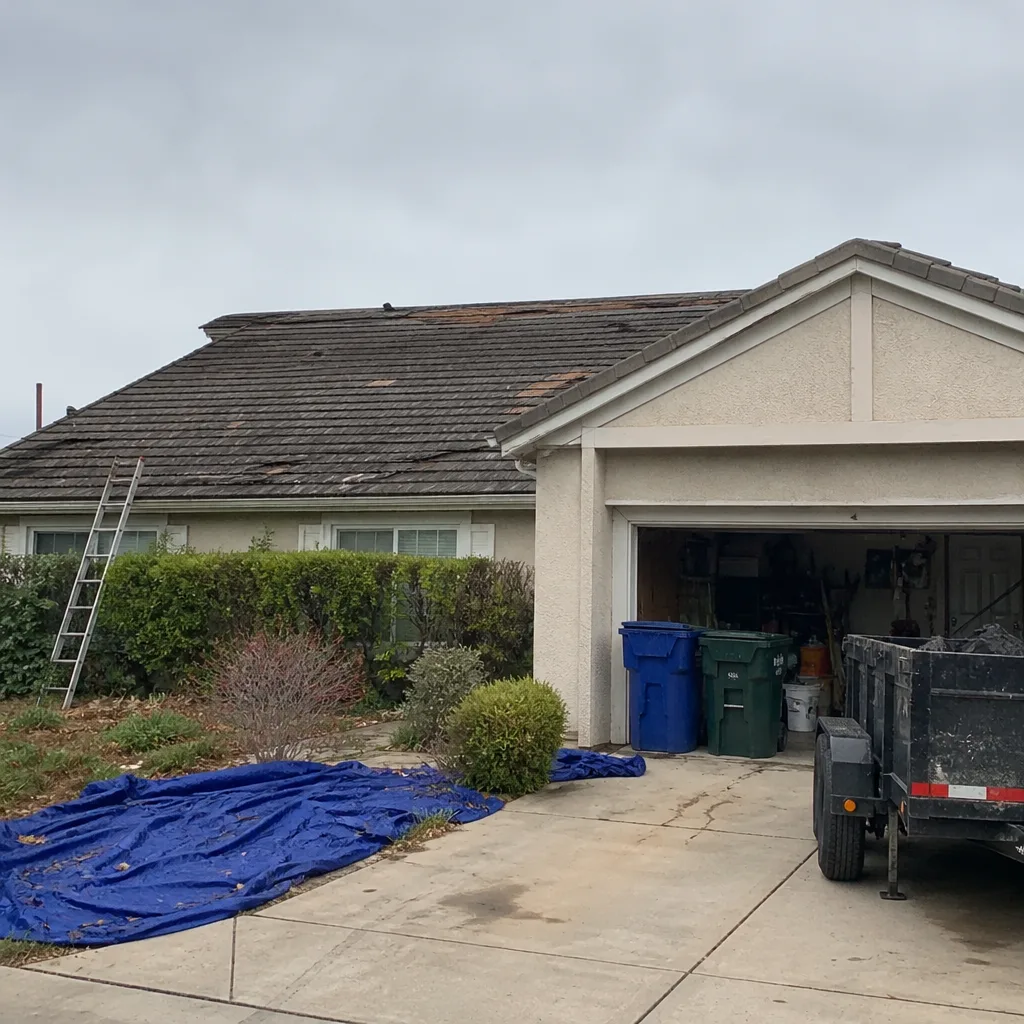 Before
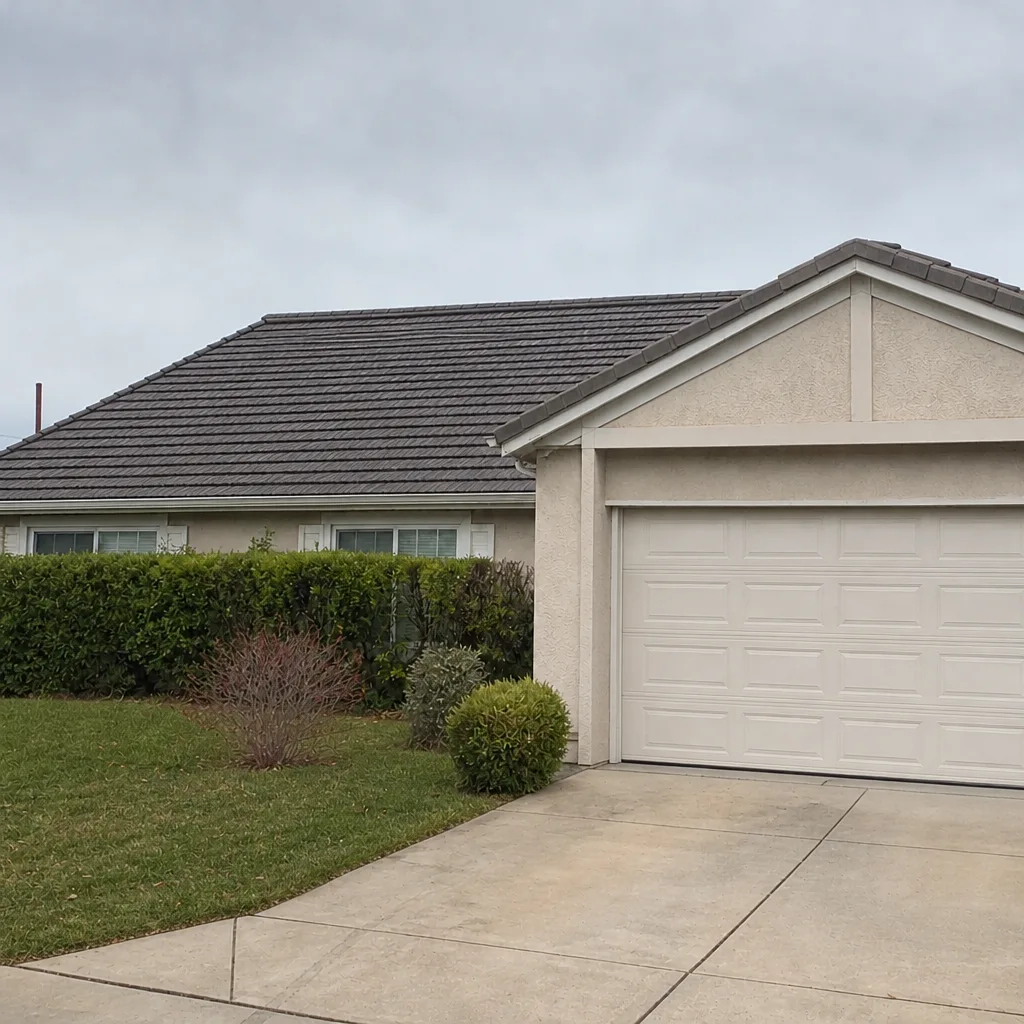 After
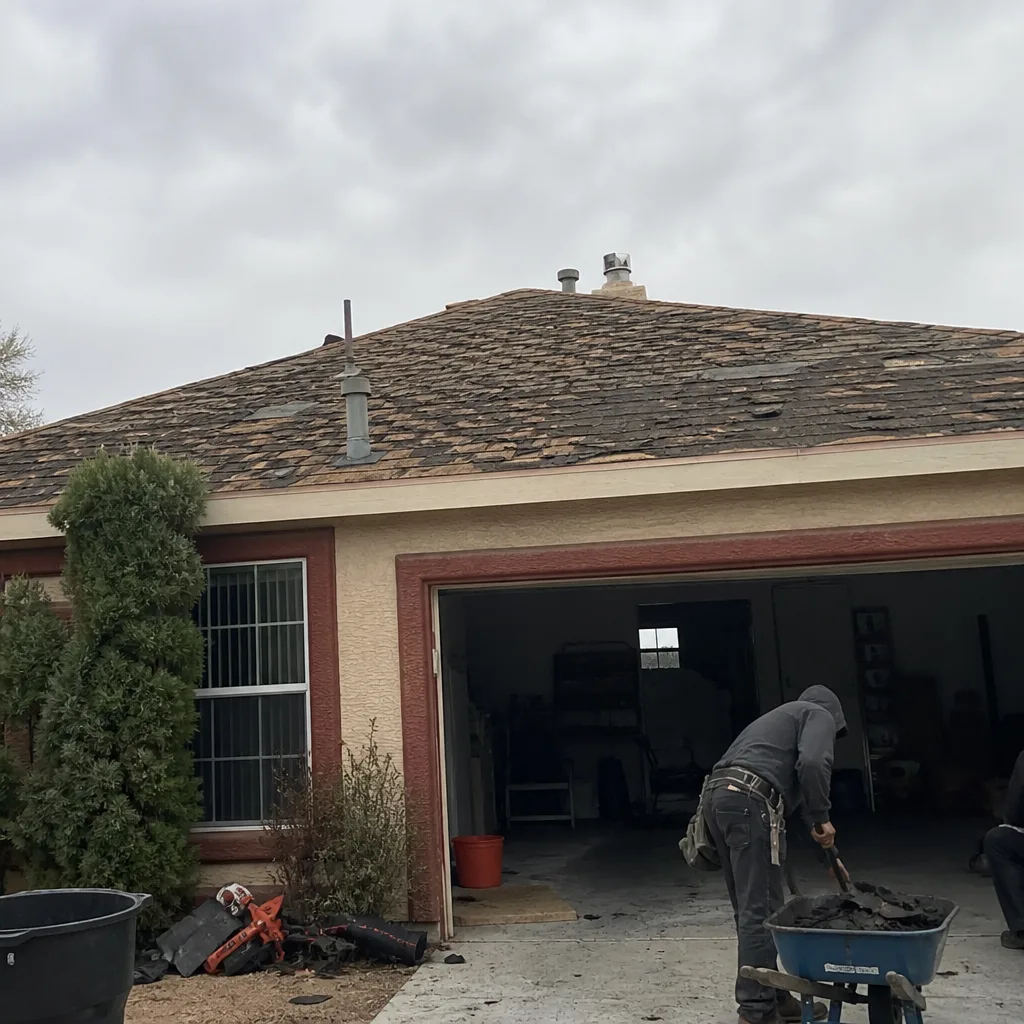 Before
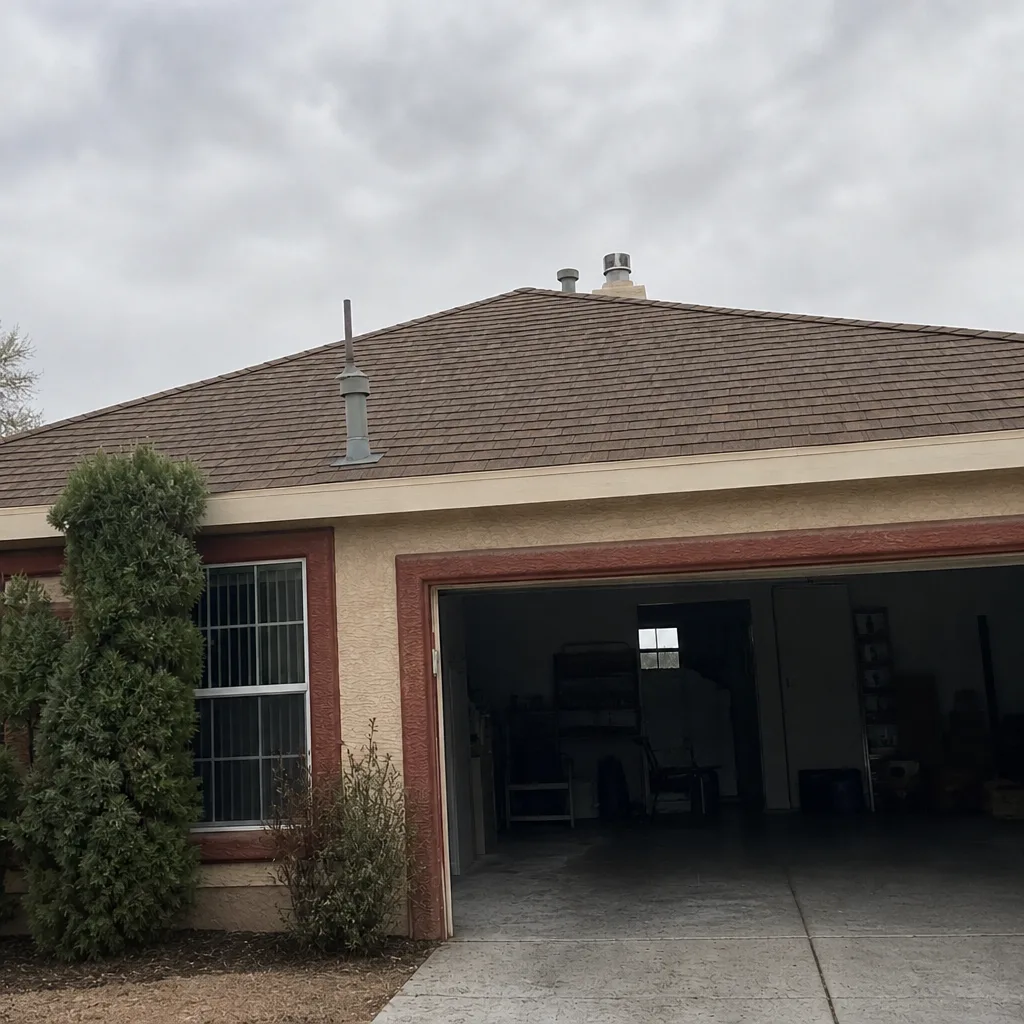 After
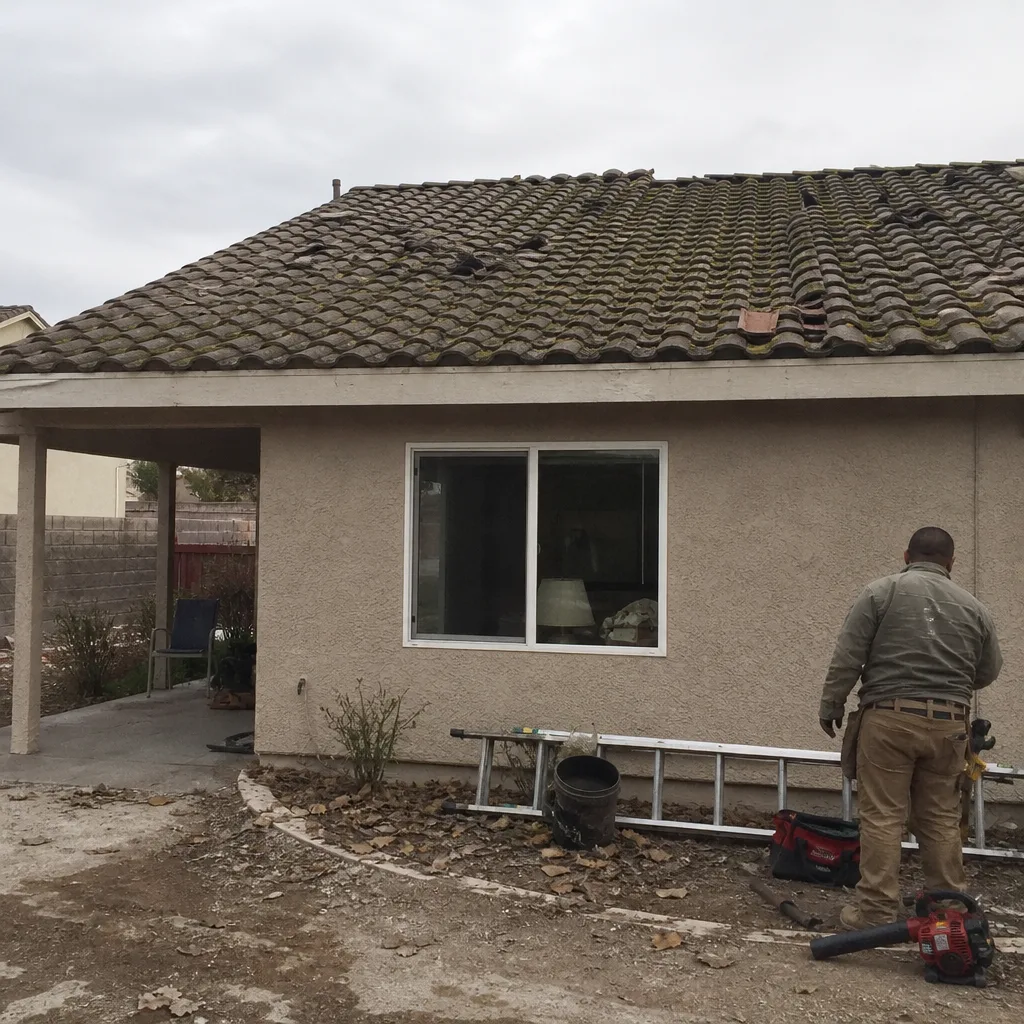 Before
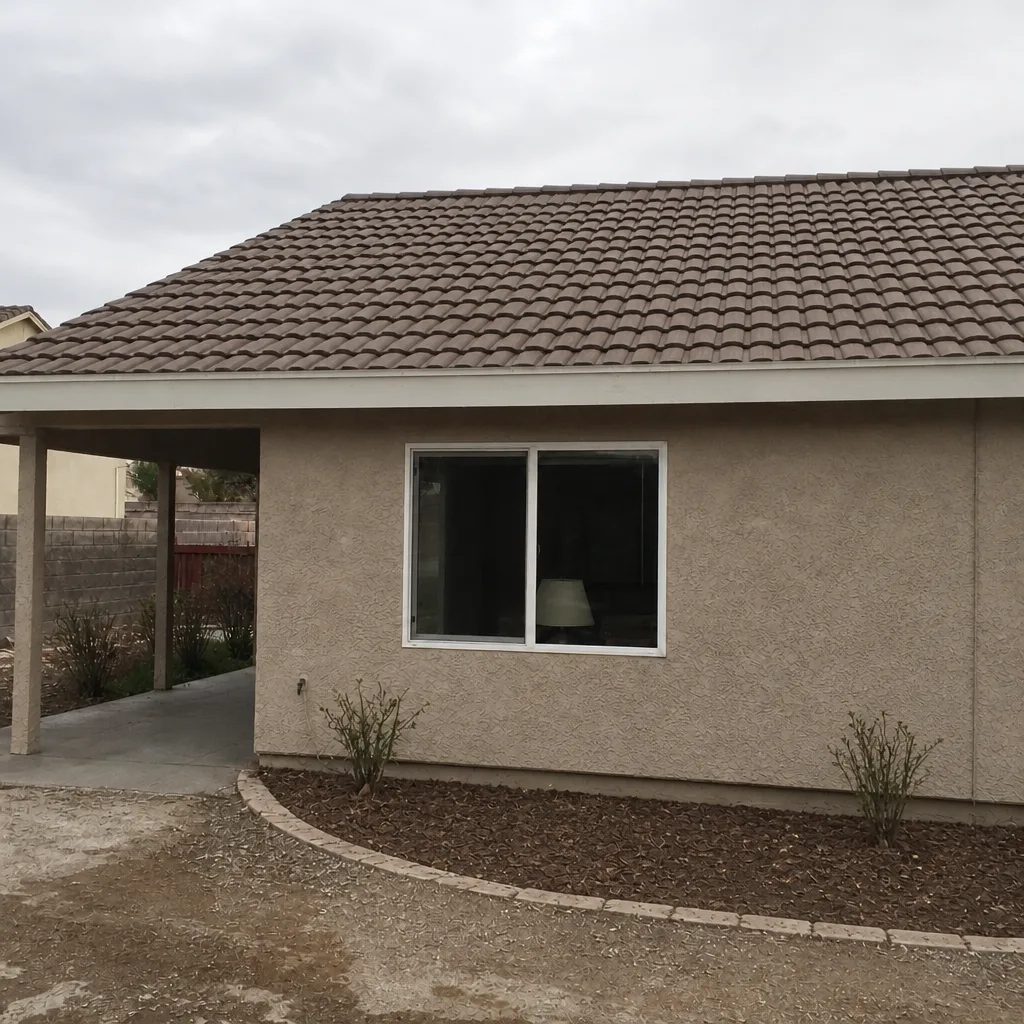 After
When to Call a Professional
Call a professional roofer in Summerlin when water is coming into the house, when a branch or wind event has opened a section of the covering, when you’re seeing multiple leaks across the roof, or when you’re ready to price a replacement and want a real itemized estimate before you commit. You should also call when you don’t know what you’re looking at, because an honest inspection is cheaper than guessing wrong on a roof that has years left. The inspection and the estimate are both free, and there’s no obligation to move forward on either. Roofing Summerlin offers free estimates in Summerlin. Call (833) 932-1305. We answer 24/7. Fast dispatch from 7am to 7pm, Sunday through Friday, and we’re closed Saturday. One team handles the whole scope, from the first inspection to the final shingle.
Frequently Asked Questions
Most Summerlin homes land between $13,000 and $19,000 for an architectural shingle replacement in 2026, with the full range running roughly $9,500 to $28,000 depending on material, roof size, slope complexity, and whether the decking needs work. Tile and low-slope membrane systems price higher. Call (833) 932-1305 for a free estimate on your roof. The written line-item estimate sets the final price.
Because the totals reflect different scopes, not different labor prices. The usual culprits are a missing decking allowance, a lighter underlayment, a layover instead of a full tear-off, or a disposal line that got left out. When you ask for itemized bids and compare line by line, the gap explains itself. Call (833) 932-1305 to request an itemized free estimate.
Many Summerlin communities carry HOA standards on roof material, color, and profile, and those standards can rule out materials you were considering. Check with your HOA before committing to a material, and get the approval in writing before ordering. Your contractor should know to ask about the HOA standard before the material goes on the truck. Call (833) 932-1305 for a free estimate.
No. A roof replacement is a planned construction project, and most single-family homes take more than a day depending on size, pitch, and material. Anyone promising a full replacement in a single visit on a complex roof is worth a second look. Ask for the schedule in writing as part of the estimate, and call (833) 932-1305 for a free quote.
Repair is usually the right call when the problem is isolated to a flashing point, valley, or single damaged section on an otherwise sound roof. Replacement becomes the right call when leaks are multiple, the deck is compromised, or the covering is past its service life in the desert heat. The honest answer starts with an inspection. Call (833) 932-1305 for a free inspection and estimate.
Most municipalities require a permit for a full roof replacement, and the permit and inspection responsibility should sit with the contractor, not the homeowner. Our estimate includes pulling the permit and scheduling the inspection through the city’s building department. Call (833) 932-1305 to talk through your project. The written estimate sets the final price.
The Bottom Line
The gap between a cheap roofing bid and an expensive one in Summerlin is almost never labor. It’s the underlayment spec, the tear-off decision, the decking allowance, and the disposal line that got left out of the total. Compare bids item by item, run the math on cost-per-year instead of sticker price, verify the underlayment before installation starts, and check your HOA standard before you order materials. The best protection against an expensive surprise is a contractor who itemizes, who’ll show you the repair option honestly, and who can offer real material choices instead of a single-brand pitch. Call Roofing Summerlin at (833) 932-1305 for a free estimate. We answer 24/7. Fast dispatch from 7am to 7pm, Sunday through Friday, closed Saturday.
Written by the team at Roofing Summerlin.