
Last updated November 18, 2026
 Metal roofing
 Architectural shingles
 Tile roofing
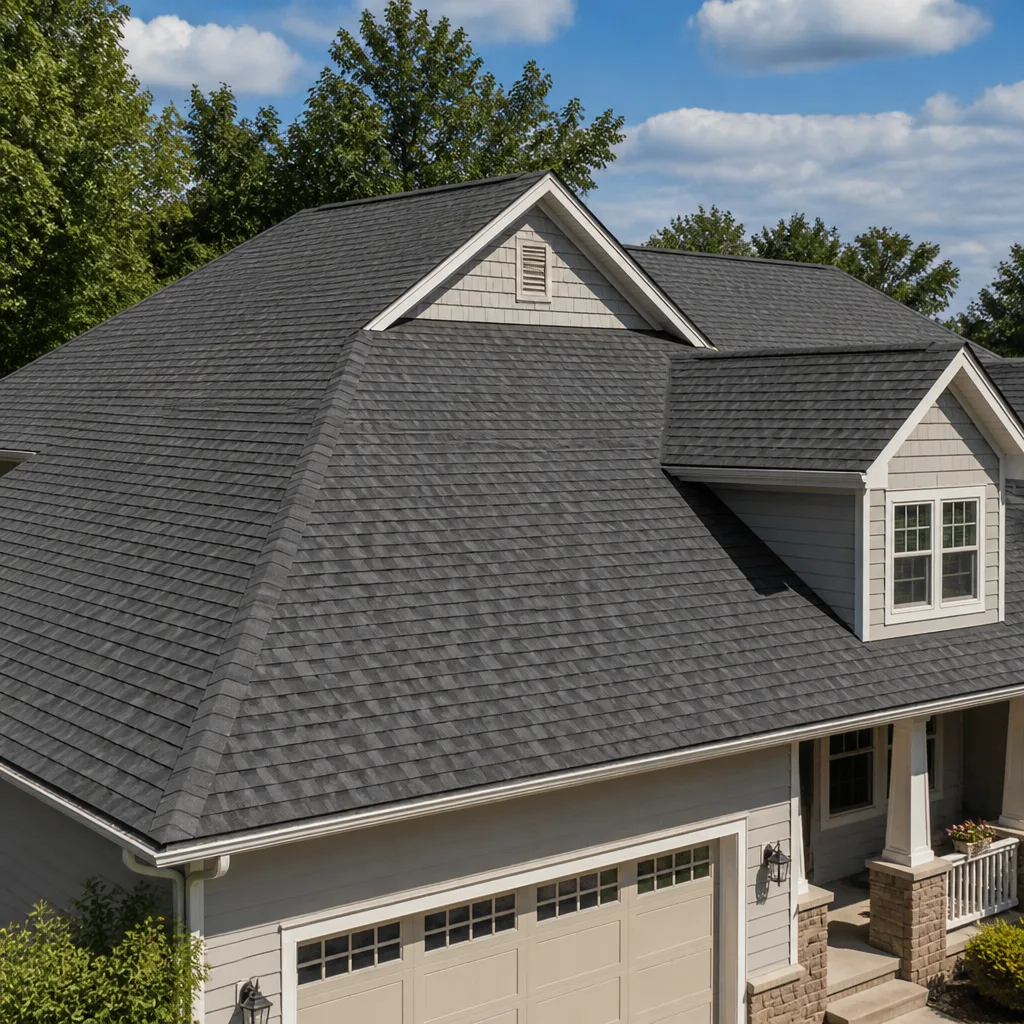 GAF
 Owens Corning
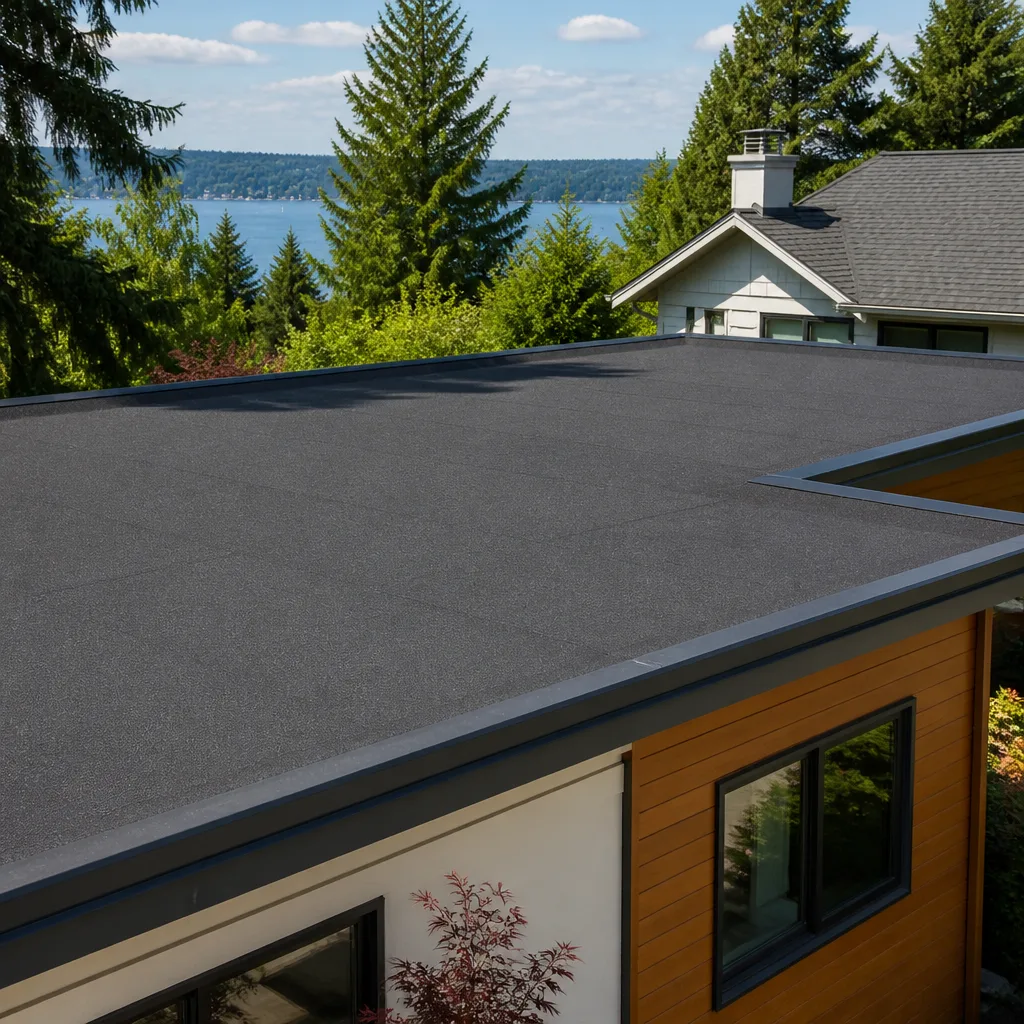 Flat & low-slope
Free roof inspection with deck photos before we talk money - GAF and Owens Corning certified installation
Roofing Emergency Preparedness Guide for Summerlin Homes
Summerlin can receive more rainfall in a single August afternoon than it does in an average February, and a roof that handled nine months of dry heat without a complaint can fail under two hours of monsoon-driven wind and water. That gap between “my roof has been fine” and “water is coming through the ceiling” catches homeowners off guard every storm season. Most roof emergencies around here aren’t random. They follow a pattern set by how Summerlin roofs are built and how desert storms behave. This guide walks through that pattern: what a microburst actually does to tile and flat sections, how to respond when damage is active, how to tell cosmetic scuffs from structural failure, and what to have documented before storm season so an insurance claim runs clean instead of turning into a fight.
Quick Answer
Roofing emergencies in Summerlin are mostly triggered by monsoon microbursts that combine sudden wind uplift, driving rain, and debris impact, and the homes that limit interior damage are the ones with a response plan already in place. Before storm season, photograph your roof’s current condition, locate your insurance policy’s roof provisions and warranty paperwork, and know who to call. When damage is active, get a safe temporary tarp over the breach, document everything, and leave the inspection to a trained professional.
Styles & brands we work with
- Architectural shingles
- Metal roofing
- Tile roofing
- GAF
- Owens Corning
- Flat & low-slope
Table of Contents
- What a Summerlin Monsoon Microburst Does to a Roof
- Emergency-Level Damage vs. Next-Week Repair
- Step-by-Step: Responding to Active Roof Damage
- Cosmetic Storm Damage vs. Structural Damage
- What to Document Before an Emergency Happens
- How Insurance Claims and Contractor Selection Interact
- Why Pre-Season Inspections Matter in Summerlin
- Common Mistakes to Avoid
- Frequently Asked Questions
What a Summerlin Monsoon Microburst Does to a Roof
A monsoon microburst is a concentrated downdraft that hits the ground and spreads outward, and the damage it does to a Summerlin roof tends to fall into three distinct categories. Each one creates a different level of exposure, and knowing which one you’re looking at helps you decide whether you’re dealing with an emergency or a repair you can schedule next week.
Wind Uplift on Tile
Clay and concrete tile are heavy, but they’re also individual pieces seated on battens, and a microburst can lift a ridge cap or pop a field tile loose in seconds. Once a tile is gone, the underlayment beneath it is exposed, and the next wave of rain drives straight into it. A single displaced tile isn’t a catastrophe, but a line of them along a ridge or hip means water is getting under the covering. We’ve seen this pattern most often on two-story homes in the southern Summerlin neighborhoods where the rooflines catch the wind funneled off the open desert.
Ponding Failure on Flat Sections
Many Summerlin homes have flat or low-slope sections over garages, patios, or additions, and those areas depend on drainage that wasn’t designed for a fast, heavy dump of rain. When a microburst delivers more water than the drains can carry, water ponds, and ponding finds every seam and penetration. If a flat section holds standing water for hours after the storm, that’s an emergency-level concern because water is already working its way toward the deck.
Debris Impact
Desert wind carries more than rain. Palm fronds, loose shingles from neighboring roofs, and landscape material all become projectiles. The result is often a puncture or a bruised shingle field rather than a dramatic hole, but the damage matters. A compromised shingle seal or a hairline crack in tile lets water in on every subsequent storm.
Emergency-Level Damage vs. Next-Week Repair
Not every storm problem is an emergency. The dividing line is simple: if water is actively entering the home or the roof structure is at risk, it’s an emergency. If the roof is intact but cosmetically damaged, it’s a repair you can schedule. Here’s how to sort it out in the first few minutes.
Emergency-level exposure:
- Water actively dripping into the living space or pooling in the attic
- A visible hole or missing section of covering that’s letting rain pour in
- Sagging in the roof deck or ceiling, which suggests structural stress
- Standing water on a flat section hours after rain has stopped
- Displaced or missing flashing around a chimney or skylight
Next-week repair:
- Scattered missing or cracked tiles with no interior water
- Granule loss on shingles, visible as grit in the gutters
- A lifted ridge cap or a small section of displaced tile
- Debris on the roof that didn’t puncture the covering
- A ceiling stain that’s dry and not spreading
When in doubt, treat a wet ceiling as an emergency. Water that reaches drywall or insulation is already causing damage behind the surface, and that grows quickly in a desert home where the interior is usually kept cool.
Step-by-Step: Responding to Active Roof Damage
If water is coming in right now, the order of your actions matters more than the speed. Follow these steps, and stay off the roof yourself, especially when it’s wet, when the pitch is steep, and when there’s any question about the deck’s condition. Roof work at height is genuinely dangerous for anyone without training and fall protection.
- Protect the interior first. Move furniture and valuables out of the way, place buckets under drips, and use towels or plastic sheeting to channel water away from walls and flooring. If water is near light fixtures or outlets, turn off the power to that area at the breaker.
- Find the source without going onto the roof. From inside the attic, you can often trace where water is entering. Note the location in relation to a chimney, skylight, or vent, because that helps the technician later.
- Document before you clean up. Photograph the water damage, the affected rooms, and any visible damage from a window or with a phone on a pole. Note the time and date.
- Arrange safe temporary protection. If you can hire a professional immediately, do so. A proper tarp protects the roof without the risk of climbing on it. Improvised tarping on a wet, steep roof is where homeowners get hurt.
- Call a roofer with emergency capability. Have your photos ready and describe what you’re seeing. A technician can assess the breach and prioritize the most urgent repair.
- Contact your insurer within a day or two. Report the damage and ask what documentation they need before an adjuster visit. Keep every photo, receipt, and note.
What not to do: don’t walk on a wet tile or shingle roof, don’t attempt a permanent repair yourself, don’t throw away damaged materials before documenting them, and don’t sign anything from a storm-chasing contractor who shows up unrequested.
Cosmetic Storm Damage vs. Structural Damage
The hardest call after a storm is deciding whether the roof has a surface problem or a structural one. A bruised shingle or a hairline tile crack may be cosmetic. A broken seal on the deck or a shifted structural panel is not. The difference comes down to what’s happening beneath the covering.
Signs of cosmetic damage:
- Granule loss or discoloration on shingles without soft spots
- Cracked or chipped tiles that still sit flush
- Minor flashing dents or bends that don’t open a gap
- Surface abrasion from debris that didn’t penetrate
Signs of structural damage:
- A soft, spongy, or sagging deck when inspected from the attic
- Water stains that appear in the attic after every rain
- Daylight visible through the roof sheathing from the attic
- Warped or split rafters or trusses
- Systematic ceiling cracks that follow a line
We inspect the roof deck, not just the top layer, because the visible surface can hide a wet substrate. A roof that looks mostly fine from the ground can have an underlayment that’s failing and insulation that’s saturated. That’s precisely why an inspection is worth doing before the next storm, so you know what’s underneath. A standalone Roofing Summerlin inspection gives you an honest condition read before you spend on a roof repair, so the decision is based on the actual state of the roof rather than the last storm’s impression.
What to Document Before an Emergency Happens
Preparedness comes down to a small folder of information that takes an hour to assemble. When a storm hits, you’ll want these in one place, and you’ll likely be too distracted to hunt for them.
- Current roof condition photos. Shoot the roof from the ground and from any second-story windows now, not after damage. You want a clear “before” so the “after” shows the change.
- Contractor contact. Keep the number of a roofing company you trust. In our case, that’s (833) 932-1305, and we answer 24/7. Fast dispatch from 7am to 7pm, Sunday through Friday.
- Insurance policy provisions for roofs. Locate the declarations page and any sections specific to roof covering, hail, or water intrusion. Understand your deductible and whether the policy is replacement cost or actual cash value.
- Warranty documentation. If your roof has a manufacturer warranty from GAF, CertainTeed, Tamko, Boral, or another brand, note the registration and coverage terms. Keep it with your policy.
- A record of prior repairs and their dates. This helps an adjuster understand the roof’s history.
- An emergency supply of tarps and buckets. Cheap insurance for the first hour before anyone arrives.
A physical folder or a shared digital album both work. The point is that the information is ready when you need it, not scattered in drawers.
How Insurance Claims and Contractor Selection Interact
After a storm, two conversations happen at once: one with your insurer and one with a roofer. What many homeowners don’t realize is that contractor selection affects the claim, and the reverse is also true. Choosing the contractor before speaking with the insurer usually goes smoother, because you can describe the damage with professional documentation in hand.
Here’s what to know before an adjuster visit:
- Understand assignment of benefits (AOB). An AOB is a document that transfers your insurance claim rights to a contractor in exchange for doing the work. In Nevada, homeowners should read any AOB carefully. It’s not always necessary, and it changes who controls the claim. Ask questions before signing, and understand that it shifts influence over the payout to the contractor.
- Ask for itemized estimates. A line-item written estimate that separates materials from labor is clearer for an adjuster and for you. Vague lump-sum quotes slow a claim down.
- Confirm the roofer can produce written scope documentation. That includes photos annotated with damage locations, material specifications, and measurements. Adjusters rely on that documentation.
- Avoid signing with the first person to knock on your door. Storm chasers operate after big weather events, and they rarely stick around to honor the work. A roofing contractor with a local presence and verifiable documentation is safer.
- Compare quotes across materials. An insurer’s initial estimate may assume a basic shingle, but your home may have tile or a higher-tier product. Manufacturer breadth matters here: a company that installs GAF, CertainTeed, Owens Corning, IKO, Atlas, Tamko, and Boral can pull from multiple product lines rather than steering you into whatever single brand it happens to carry.
Also ask whether permits are required for your repair or replacement. Most cities require a permit for structural roof work, so a contractor who handles the permit and inspection process removes a layer of hassle. A claim that is well documented on the front end tends to run cleaner on the back end.
Why Pre-Season Inspections Matter in Summerlin
The best defense against a roofing emergency is knowing what your roof looks like before the first monsoon. A pre-season inspection gives you a baseline. It catches small problems while they are cheap to fix and helps you spot the wear that a summer storm can turn into a breach. In the Summerlin neighborhoods where homes face wide-open desert exposure, that baseline is especially valuable.
An inspection is not a sales funnel. It’s a condition assessment: the roof deck, the underlayment, the flashing, the ventilation, and the tile or shingle field. If repair is the right call, you’ll be told. If it isn’t, the reasons should be clear. We offer inspection as a standalone service so homeowners can get the truth about their roof before committing to any spend.
When your roof needs more than repair, a roof replacement is a 20-to-30-year decision, and it deserves an honest conversation about materials. Multiple manufacturer warranty tiers across competing brands give you real coverage options rather than a single take-it-or-leave-it offer. Homes across Summerlin sit under the same monsoon pattern, so a roof that’s ready before August is a roof that will survive it.
Common Mistakes to Avoid
- Waiting to document until after cleanup. Move the buckets, but photograph first. Photos taken after the leak is mopped up can’t support an adjuster’s assessment of the damage.
- Climbing onto a wet roof to “check it out.” Tile roofs in rain are slick, and a fall is a worse emergency than a leak. Let someone trained and equipped do the roof access.
- Assuming storm damage is cosmetic because nothing is leaking yet. A lifted tile or compromised underlayment can hold back water for weeks before it shows up on your ceiling.
- Signing an assignment of benefits without reading it. In Nevada, an AOB shifts claim control to the contractor. Understand what you’re signing before you do.
- Hiring a storm chaser in the first 72 hours. Out-of-town crews appear after every big storm and vanish after the work. Local documentation and accountability matter more than an on-the-spot estimate.
- Ignoring the flat sections. Summerlin homes often have low-slope areas over garages and patios. These fail quietly and are overlooked because they aren’t the “main roof.”
- Paying the full amount up front. A legitimate roofing contractor works to a written scope with a written estimate. Beware of anyone demanding full payment before the work begins.
See the difference
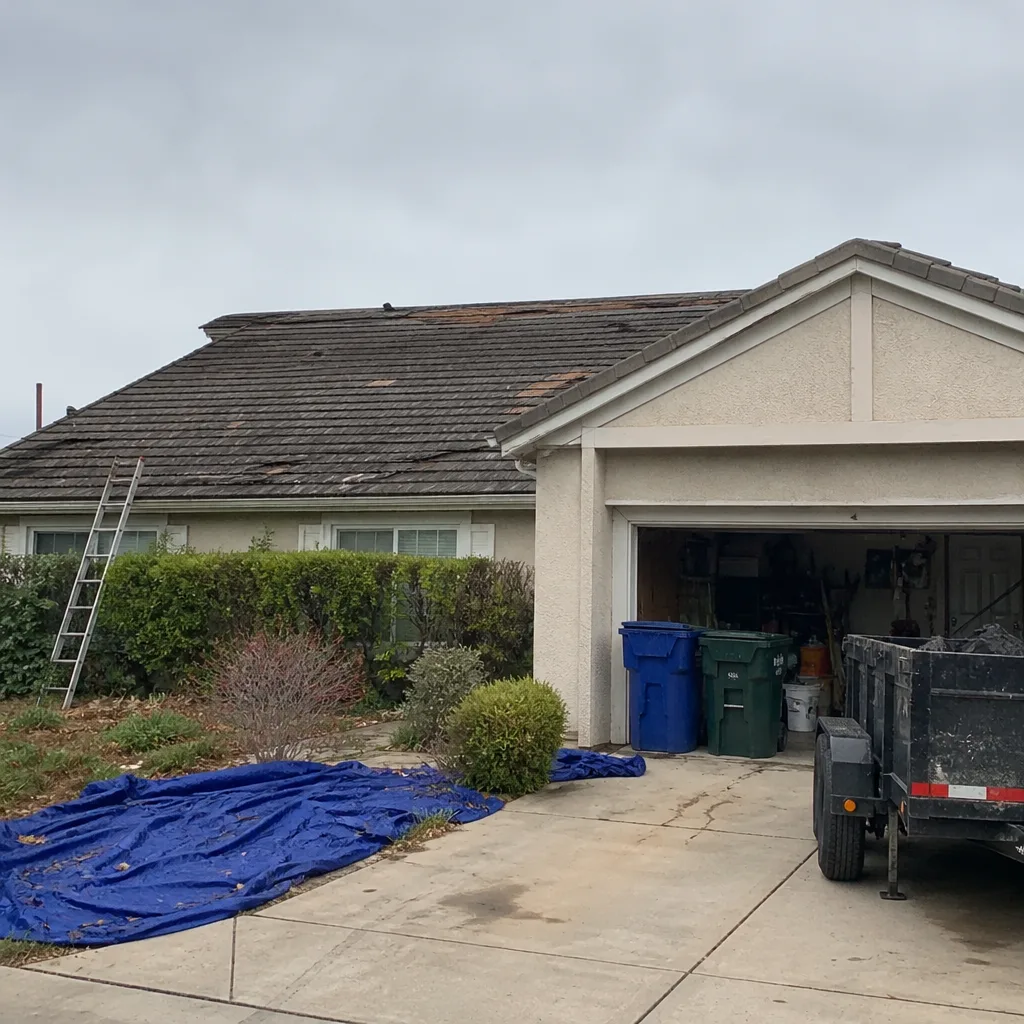 Before
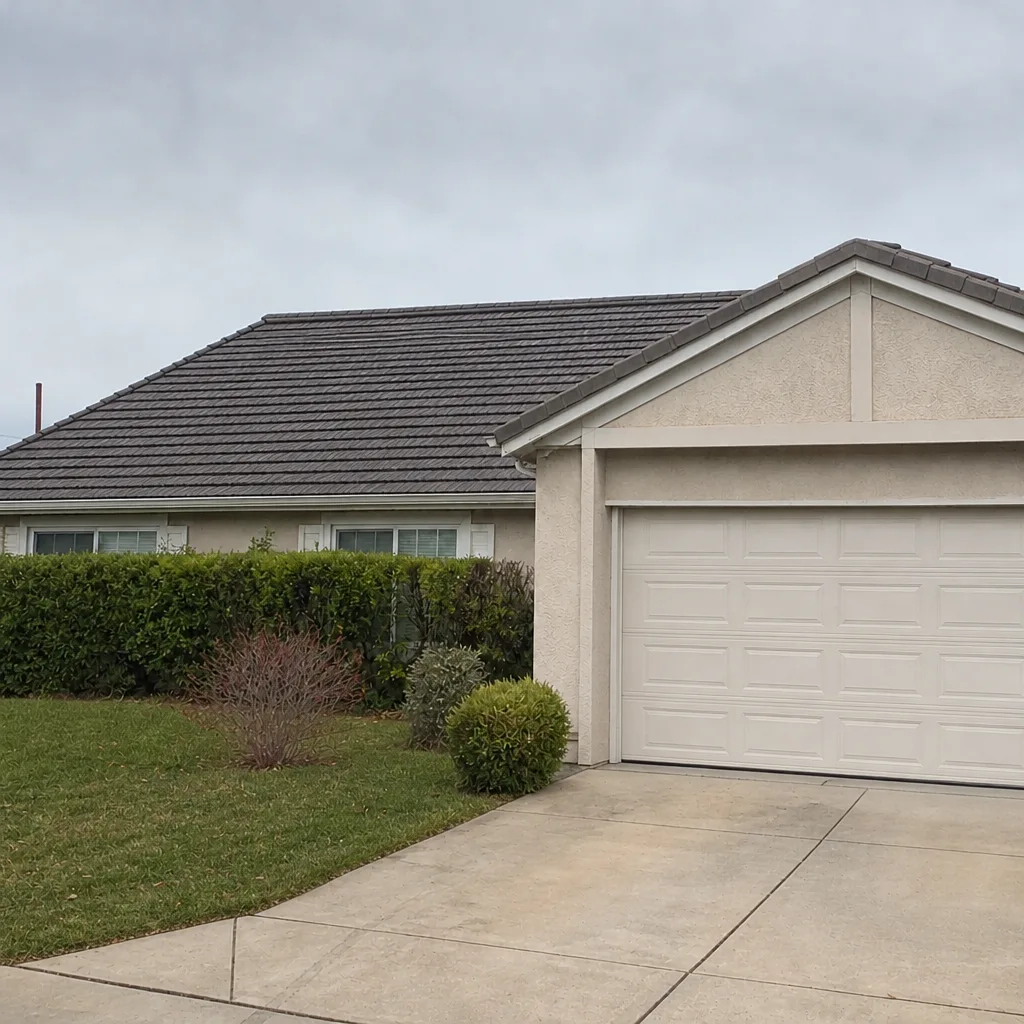 After
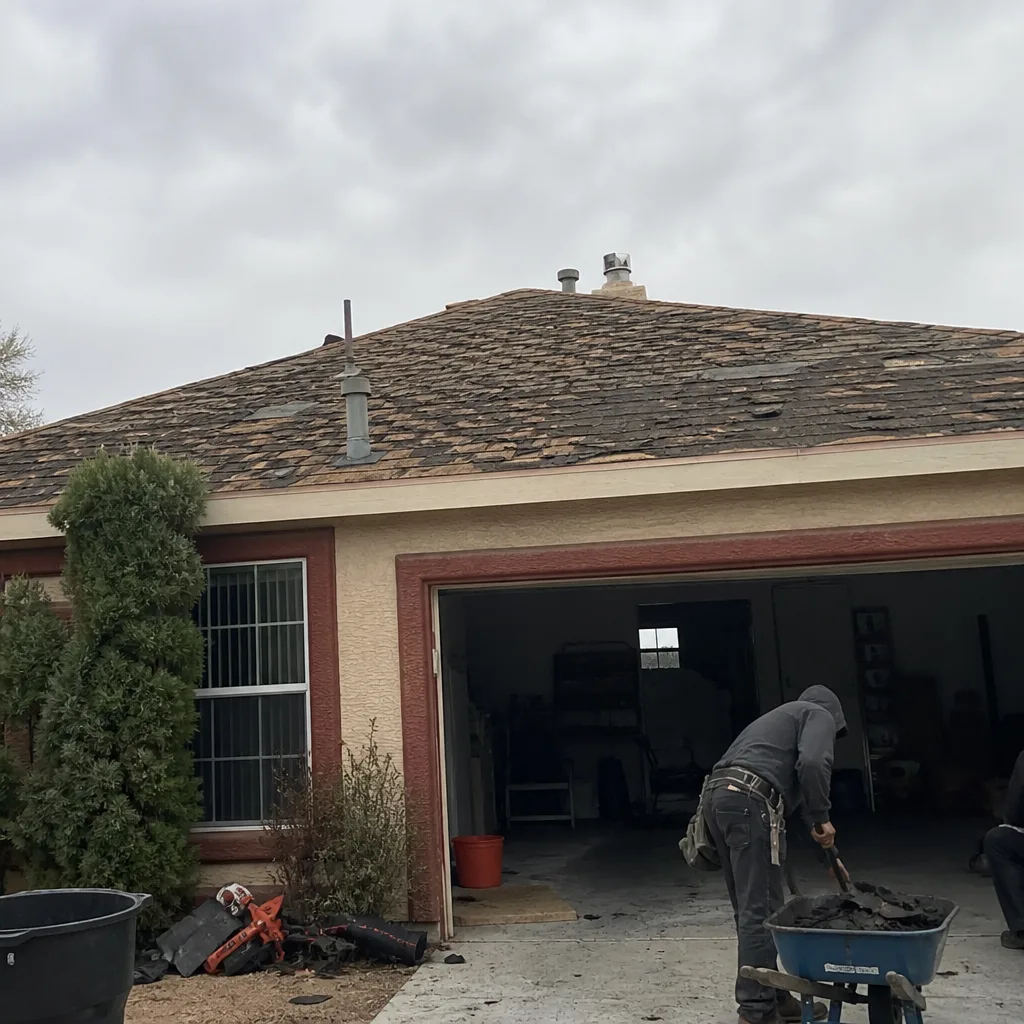 Before
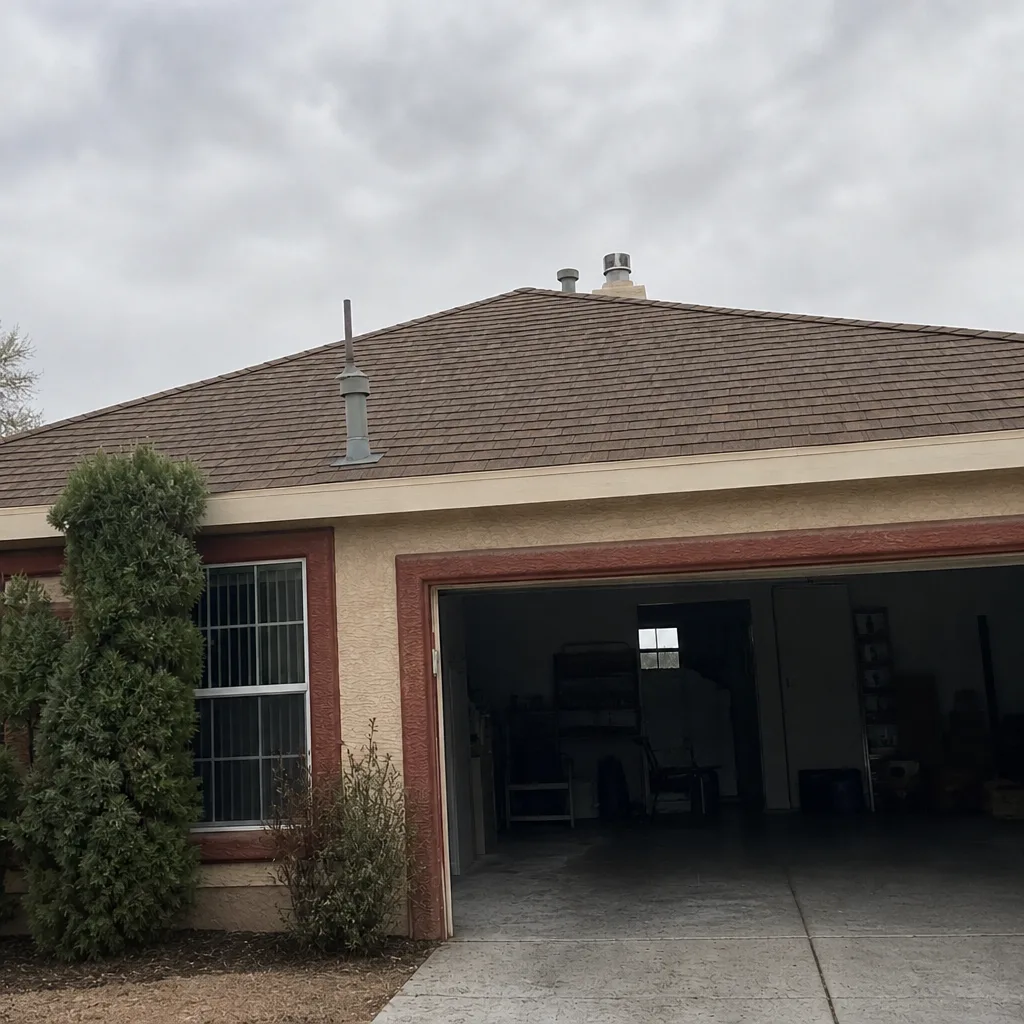 After
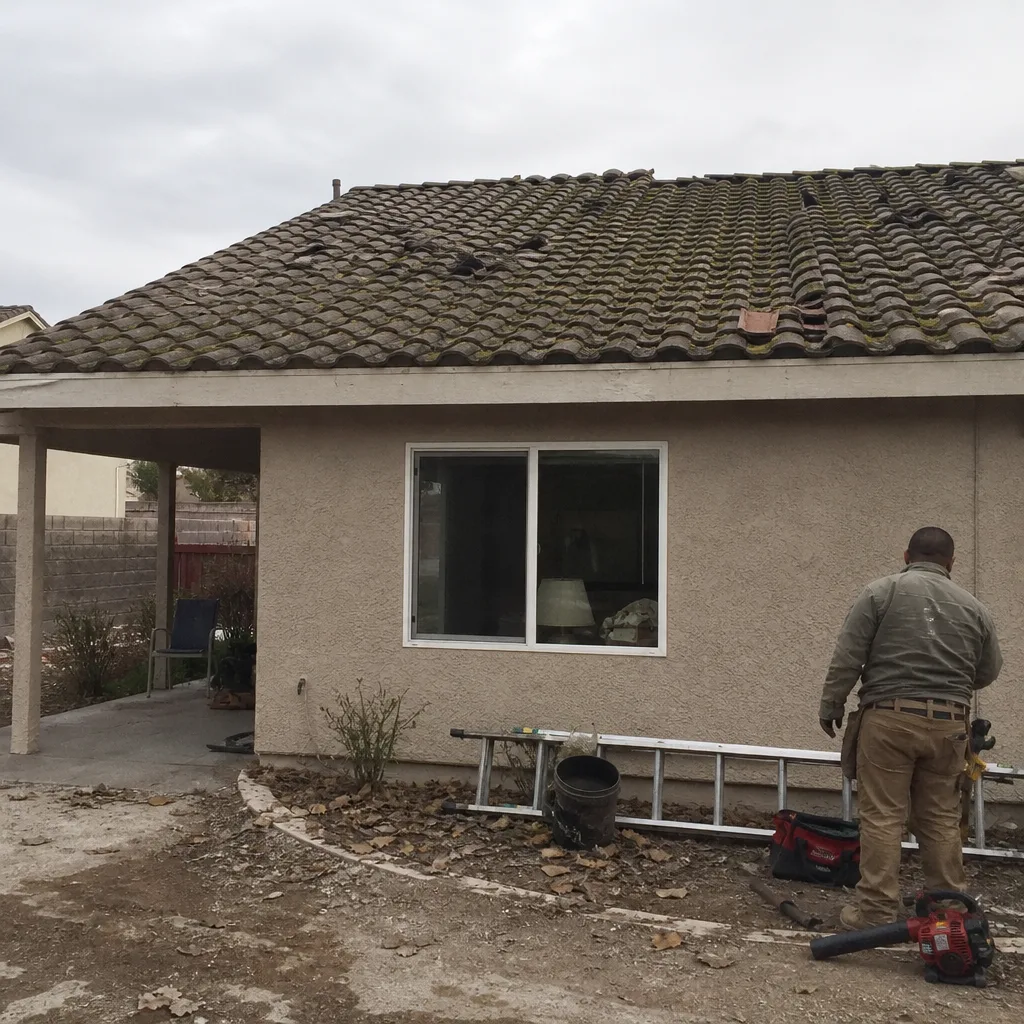 Before
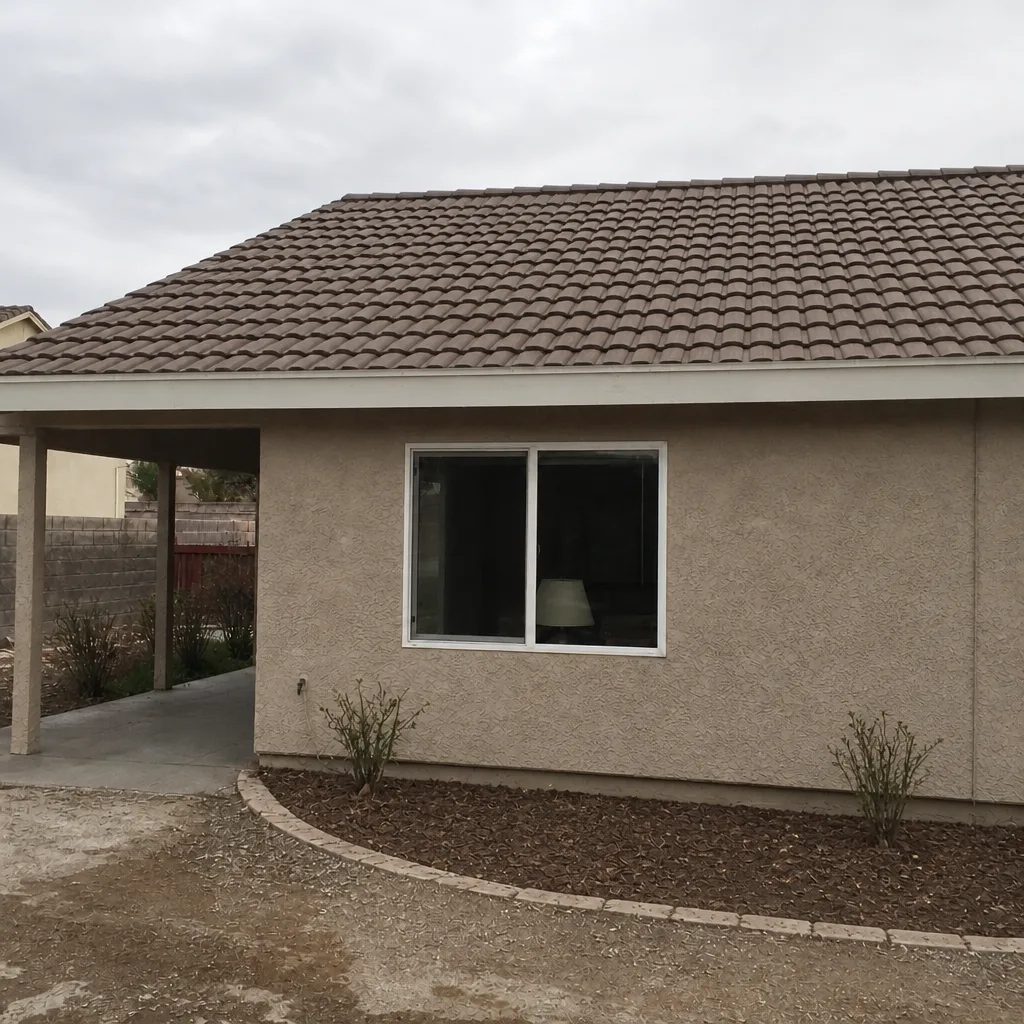 After
When to Call a Professional
Call a professional immediately if water is entering the home, if the roof deck is sagging, or if you can see a hole or missing section of covering. Call within a day if you’ve had a storm with high wind and you notice displaced tiles or shingles, even without a leak. And call before storm season if you haven’t had the roof inspected at all. Roofing Summerlin offers free estimates in Summerlin – call (833) 932-1305. We answer 24/7. Fast dispatch from 7am to 7pm, Sunday through Friday. Our technicians have up to 8 years of experience, and we inspect first so you get a straight answer about repair versus replacement.
Frequently Asked Questions
Emergency roof repair costs vary widely by damage type, roof material, and access. A small tile or shingle repair runs less than a section replacement or a structural fix. Because every situation is different, the written estimate sets the final price. Call (833) 932-1305 for an exact quote, and estimates are free.
We can often address active leaks the same day depending on conditions and access. When you call, describe what’s happening and have photos ready so we can prioritize. Call (833) 932-1305. We answer 24/7. Fast dispatch from 7am to 7pm, Sunday through Friday.
Hail is uncommon in Summerlin, so most roof damage here comes from wind, rain, and debris rather than hail. That said, any impact can compromise a tile or shingle, and the source matters less than the resulting damage. Call (833) 932-1305 for an inspection if you suspect impact damage.
Most homeowners policies cover sudden wind damage from a storm event, but coverage depends on your specific policy and deductible. Read your declarations page and roof provisions before storm season. A roofer can provide the documentation your adjuster needs. Call (833) 932-1305 to schedule a free condition assessment.
Protect the interior, move valuables, and place buckets. Turn off power to affected areas if water is near fixtures. Document the damage with photos before cleanup, and call a roofer. Don’t go on the roof. Call (833) 932-1305 – we answer 24/7, with fast dispatch from 7am to 7pm, Sunday through Friday.
Timelines depend on the roof’s size, pitch, material, and access, and no two jobs are identical. A written estimate will spell out the scope and expected duration. Call (833) 932-1305 for a free estimate, and we’ll walk you through materials and the schedule.
The Bottom Line
The roof emergencies that hurt Summerlin homeowners most are the ones nobody prepared for. A microburst doesn’t schedule its arrival, but it does follow patterns: wind uplift on tile ridges, ponding on flat sections, and debris impact. If you know those patterns, document your roof’s current condition, and keep your policy and contact information ready, you’re already a step ahead. When the storm arrives, protect the interior first, document everything, and let a trained professional handle the roof. Roofing Summerlin provides inspection, repair, and replacement from one team, with seven manufacturer brands so the choice follows your roof rather than our inventory. Call (833) 932-1305 for a free estimate. We answer 24/7. Fast dispatch from 7am to 7pm, Sunday through Friday.
Written by the team at Roofing Summerlin.